



Antique Irish Flatware
These pieces of antique irish flatware in sterling silver bring Dublin craftsmanship from the eighteenth and nineteenth centuries straight to the table.
Antique Irish Flatware
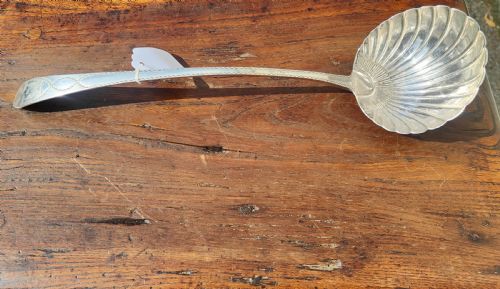
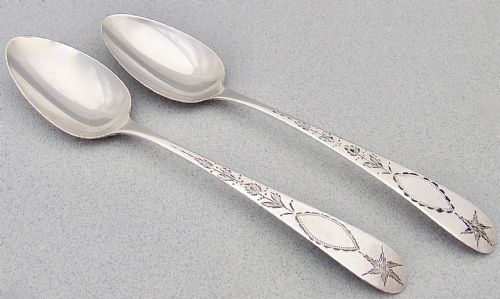
When you search for antique irish flatware, you encounter serving utensils, cutlery, ladles, marrow scoops, and caddy spoons spanning the Georgian and George IV periods. The selection includes items such as dessert spoons, basting spoons, fish slices, and tablespoons originating from Dublin makers.
The pieces date across the 1750, 1700s, and 1800s, showing specific regional patterns like Celtic Point, Old English, and Fiddle. You are most likely to meet silver spoons and ladles housed in cases alongside individual serving pieces.
Quality differences
The distinction between standard items and superior examples lies in the presence of named maker marks, such as John Pittar, John Locker, Edward Power, or Michael Smith, alongside Dublin assay details. Weight also separates the output, with heavier basting spoons and soup ladles showing more substantial silver content.
Complete pairs and matched sets demonstrate higher desirability than single items, while specialised forms like marrow scoops and caddy spoons exhibit distinct levels of silversmithing skill.
Materials documented in the collection include sterling silver alongside velvet and silk within fitted presentation cases.
John Pittar·Edward Power·John Locker·Michael Smith
The Antique Irish Flatware Glossary
- Sterling silver
- A silver alloy containing 92.5 percent silver by mass, forming the primary material of these utensils.
- Celtic Point
- A specific handle design featuring a pointed terminal often seen on Irish spoons from the Georgian era.
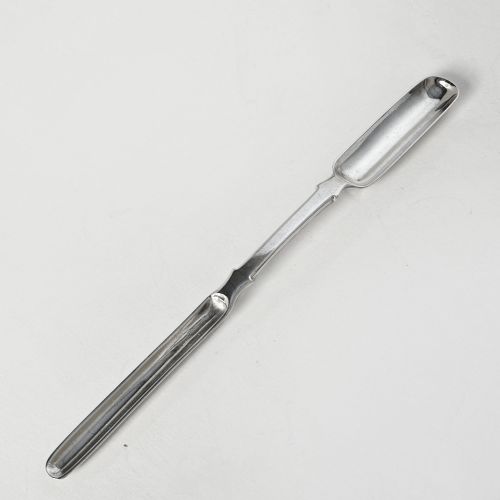
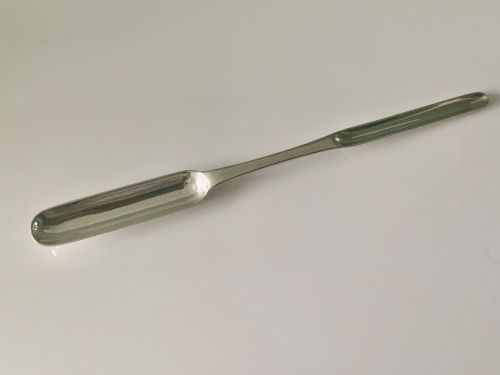
- Marrow scoop
- A narrow, double-ended utensil designed for extracting marrow from bone during dining.
- Caddy spoon
- A short spoon specifically utilised for measuring loose tea leaves from a caddy.
- Basting spoon
- A large spoon utilised for spooning juices over meat during roasting or for serving.
Antique Irish Flatware: Frequently Asked Questions
What is antique irish flatware?
Antique irish flatware comprises sterling silver cutlery and serving utensils produced in Ireland during the eighteenth and nineteenth centuries. These include ladles, spoons, fish slices, and marrow scoops.
Items often feature specific regional handle patterns such as Celtic Point, Old English, and Fiddle, frequently bearing Dublin assay marks and maker signatures.
How do I identify Georgian Irish silver?
Georgian Irish silver is identified through hallmarks indicating the Dublin assay office alongside date letters spanning the reigns of George III and George IV. Makers often stamped their initials or full names directly onto the sterling silver.
Stylistic elements like Celtic Point handles and engraved crests further help date these pieces to the eighteenth and nineteenth centuries.
Are caddy spoons rare?
Caddy spoons are specialised small utensils created for measuring tea leaves from storage caddies. Their compact size and varied bowl shapes make them a distinct collecting focus within Irish silver.
They appear alongside larger serving utensils, ladles, and tablespoons from the Georgian era.
How do I care for silver flatware?
Sterling silver flatware requires gentle cleaning with non-abrasive silver polish to maintain the metal surface without wearing down engraved crests or maker marks. Storing items in lined cases helps prevent tarnish.
Regular handling and careful hand washing preserve the historical integrity of eighteenth and nineteenth-century Irish pieces.