


Bright Cut Silver
Bright cut silver brings the sharp, faceted sparkle of eighteenth-century engraving to sterling tea services, spoons, and small boxes.
Identifying bright cut silver
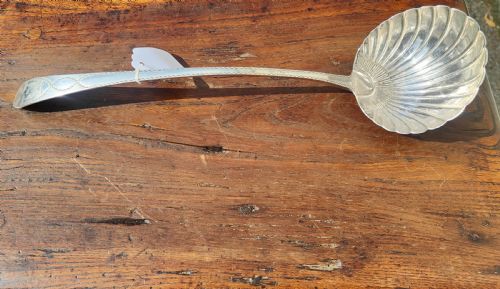
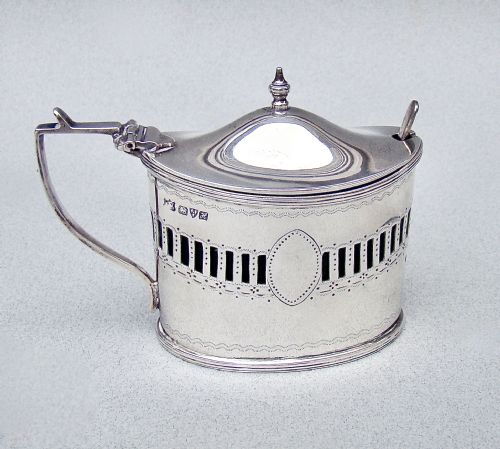
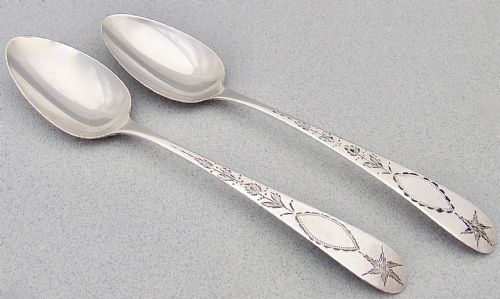
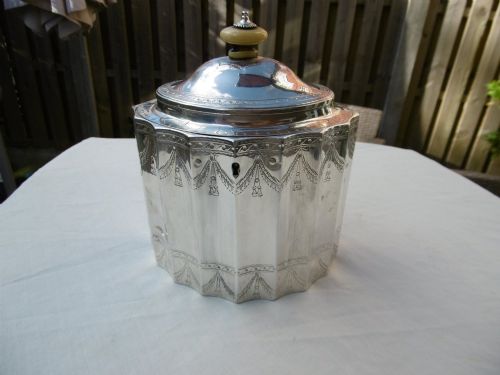
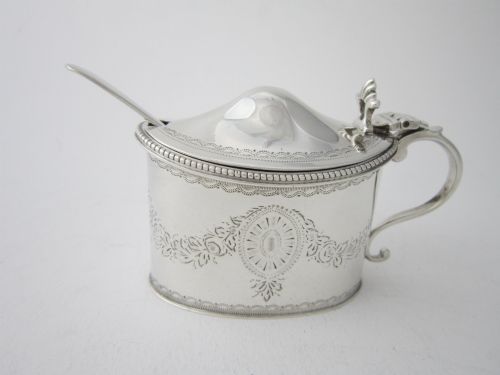
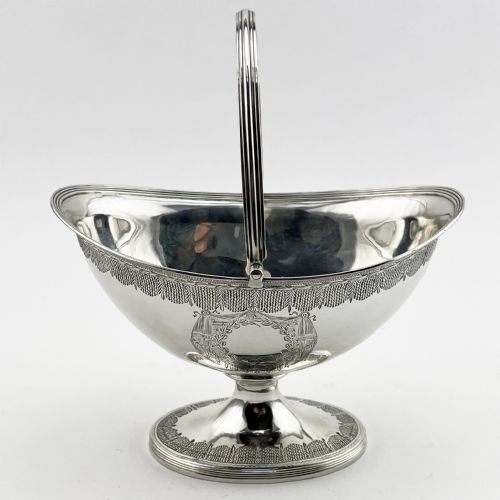
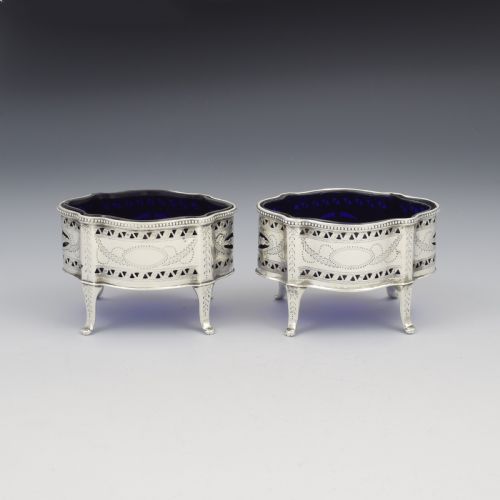
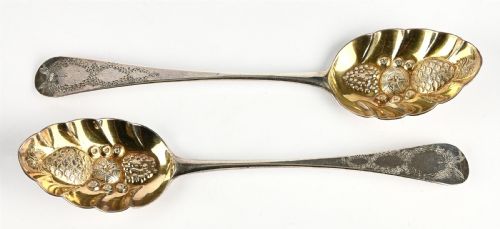
Bright cut silver comprises tableware and small personal items decorated with shallow, angular incisions that catch the light from multiple directions. The pieces on this page stem predominantly from the Georgian era, spanning the late eighteenth and early nineteenth centuries.
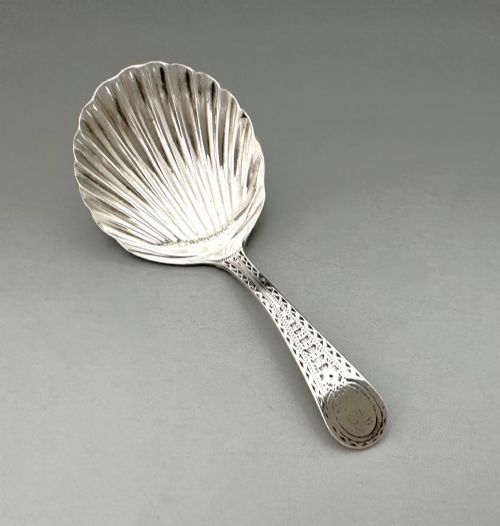
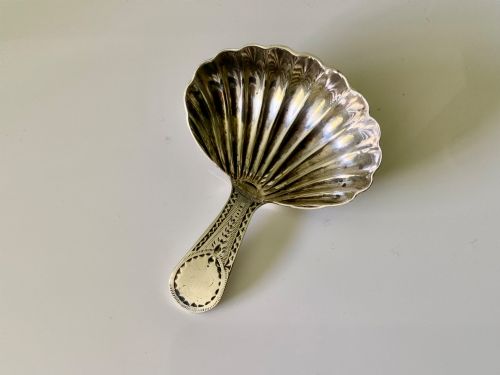
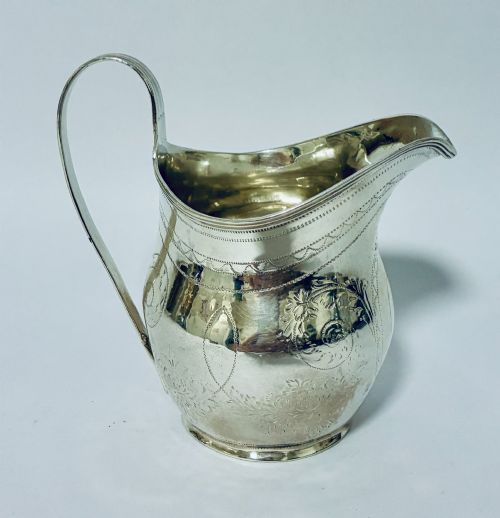
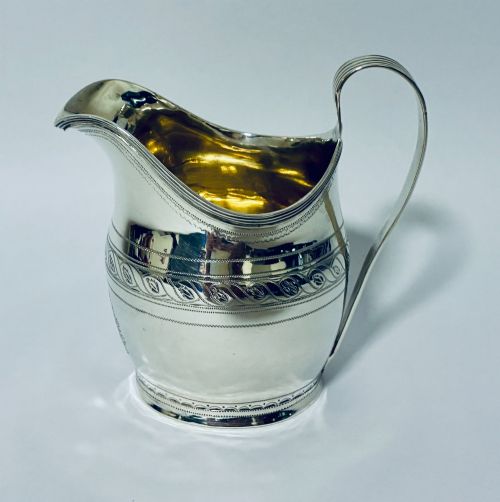
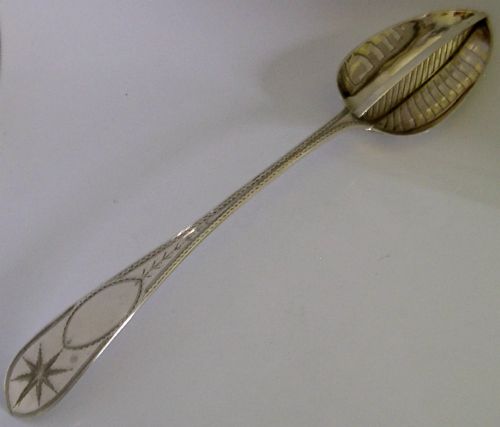
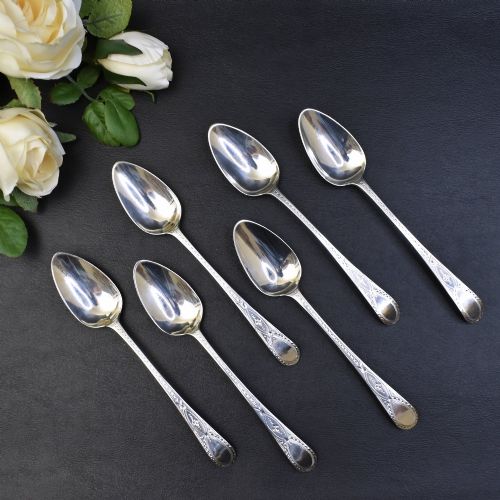
Forms range widely across the domestic sphere, taking the shape of teaspoons, sugar baskets, cream jugs, caddy spoons, and snuff boxes. Teaspoons and flatware appear frequently, alongside hollowware such as teapots and sugar tongs.
Origins stretch across British and Irish assay offices, including London, Dublin, Birmingham, Exeter, and Newcastle. Collectors encounter both individual items and matched sets preserved from the Georgian period.
Manufacturing methods and materials
Silversmiths constructed these items using sterling silver, working sheet metal and cast components into hollowware and flatware. The distinctive decoration relies on hand-engraving with specialised flat-bottomed gravers that leave polished facets.
Craftsmen cut angled facets into the silver surface to create geometric borders, scrolling foliage, and patterned bands that reflect light. This technique required steady control to ensure clean, sharp edges without piercing the thin metal plate.
Retail Price Guide 2026
Typical UK retail prices for bright cut silver, calculated from the Sellingantiques database of over a million retail prices indexed since 2003. This retail price guide relies exclusively on Sellingantiques data; no external sources or auction records are used, so the figures do not describe the wider market.
Listings feature sterling silver items predominantly from the Georgian period, including cutlery, sugar baskets, cream jugs, and snuff boxes.
Assessing quality in bright cut pieces
Quality rests upon the crispness and depth of the engraving work. Superior pieces display precisely angled cuts that remain sharp and clear, whereas lesser examples show worn or shallow facets due to heavy cleaning or poor initial execution.
The integrity of the original form and the preservation of hallmarks also dictate standing. Pieces retaining clear maker marks alongside sharp surface decoration command greater attention from collectors.
John Pittar·Henry Chawner·Samuel Pemberton·Richard Ferris·Hester Bateman·James Mince·Joseph Taylor·Samuel Meriton·Peter Ann and William Bateman
The Bright Cut Silver Glossary
- Bright cut
- An engraving technique utilising faceted cuts with flat bottoms to reflect light from various angles. It creates geometric and floral borders common on Georgian silverware.
- Caddy spoon
- A short-handled spoon designed for measuring loose tea leaves from a caddy. These small implements often feature detailed bright cut handles.
- Hollowware
- Tableware such as teapots, cream jugs, and sugar baskets formed from sheet silver rather than solid cast metal. These items frequently display bright cut panels.
- Sterling silver
- An alloy consisting of ninety-two point five percent silver and seven point five percent other metals, usually copper. British pieces carry standard hallmarks to verify this standard.
- Assay office
- An official body responsible for testing the purity of precious metals and stamping them with hallmark symbols. Offices in London, Dublin, Birmingham, and Exeter stamped these items.
Frequently Asked Questions
What is bright cut silver?
Bright cut silver refers to sterling items decorated with faceted, angular engravings made by small chisels. These cuts create a sparkling geometric border or pattern across the surface of spoons, teapots, and boxes.
The style gained popularity during the Georgian period, transforming plain silver surfaces into light-reflecting designs without adding heavy cast ornament.
How do I date bright cut silver?
Dating relies heavily on the hallmarks stamped directly into the silver, which indicate the assay office, year, and maker. Most pieces on this page date from the Georgian era.
The style of the engraving and the specific object form also offer clues, as certain motifs and silversmith working dates align with specific decades.
Were these pieces used daily?
Georgian households utilised these items for serving tea, storing sugar, and taking snuff. Teaspoons, caddy spoons, and cream jugs were active components of the daily tea table.
Over generations, many pieces transitioned from functional tableware into decorative collectibles preserved in cabinets rather than everyday service.
How do I care for bright cut silver?
Care requires gentle cleaning with non-abrasive silver polish to avoid smoothing down the sharp engraved facets. Harsh scrubbing can blur the crisp geometric lines that define the style.
Storing items in tarnish-resistant cloth or dry environments helps maintain the polished finish of the sterling surface without frequent intervention.