


Georgian Milk Pitcher
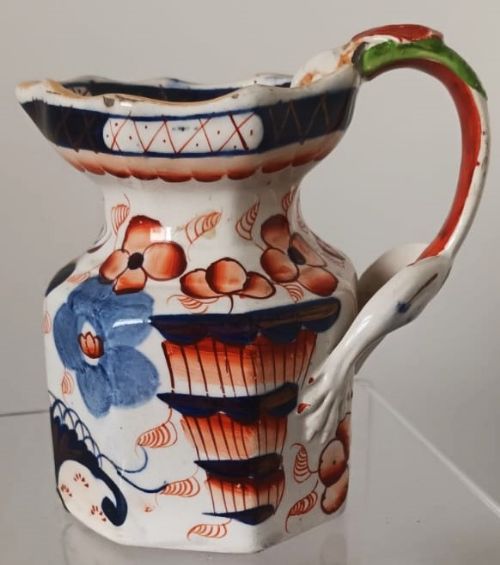
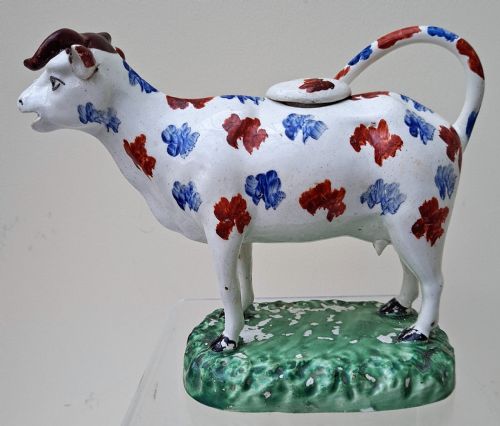
These georgian milk pitcher examples bring functional 18th Century and Georgian elegance to the table, offering a glimpse into period domestic life.
What They Are
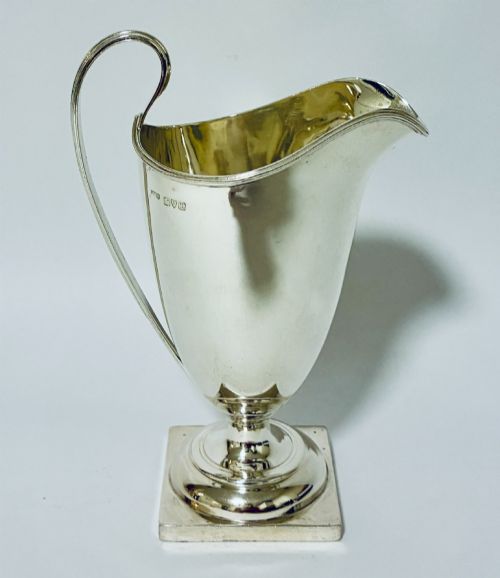
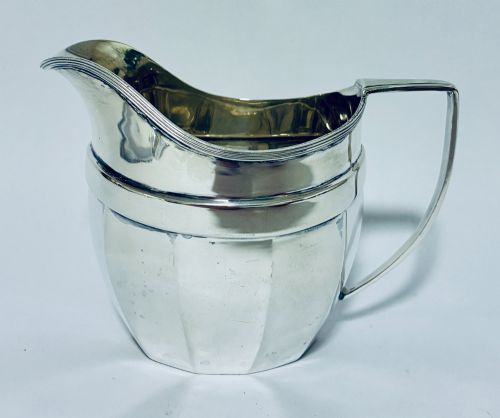
When searching for a georgian milk pitcher, a buyer encounters domestic cream jugs and milk jugs dating from the Georgian era, including pieces from the 18th Century and around 1800. These vessels served to hold cream or milk for tea and coffee service during the period.
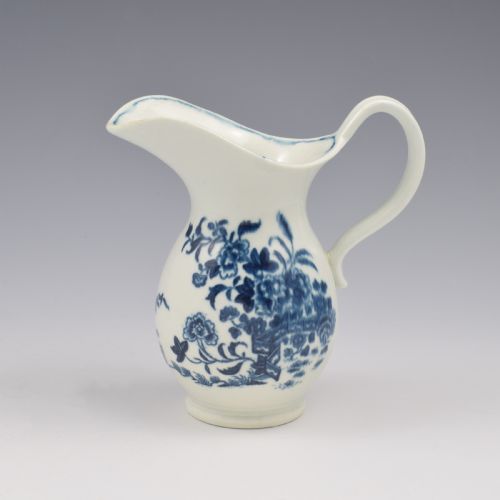
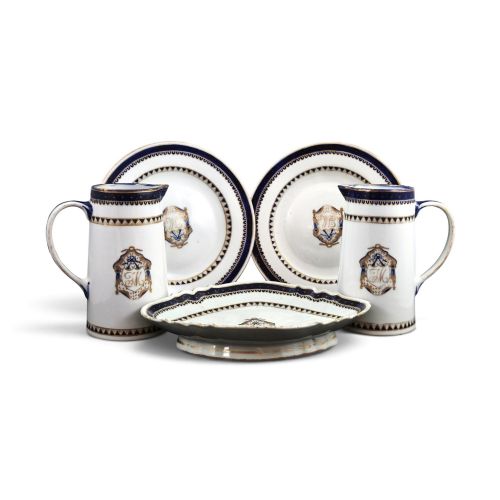
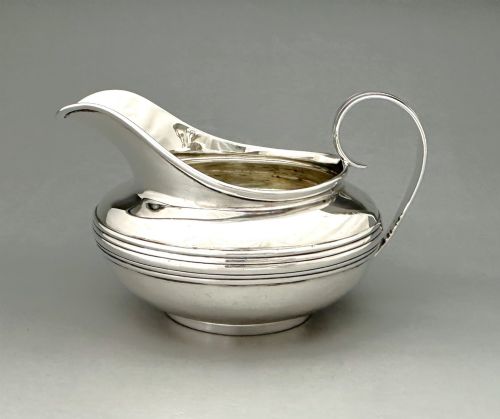
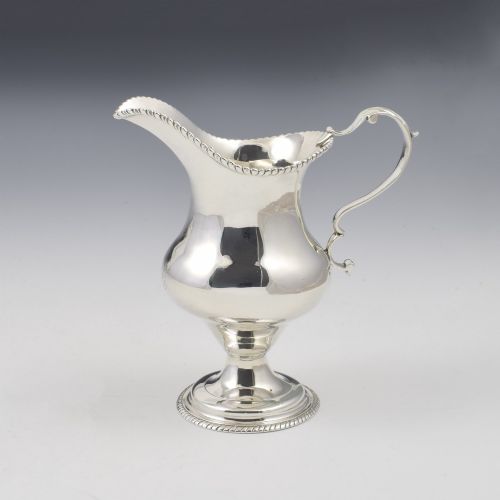
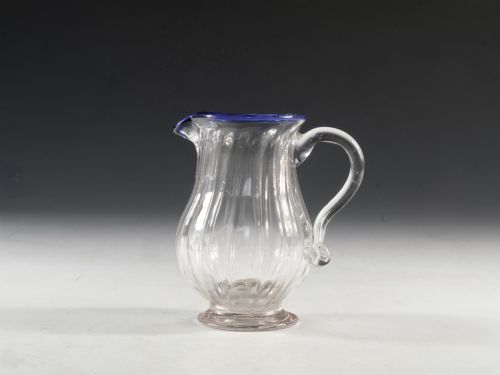
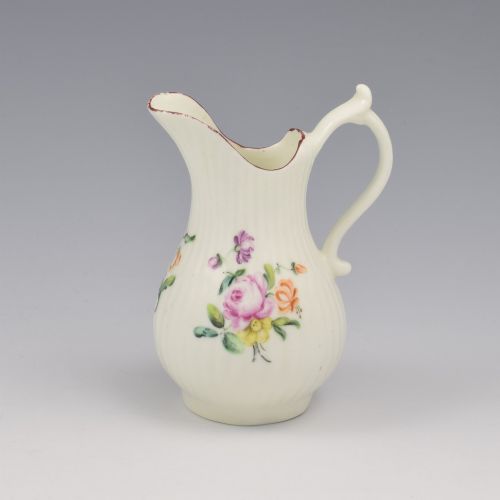
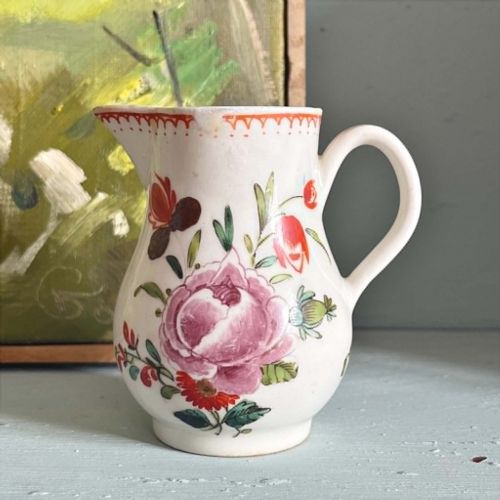
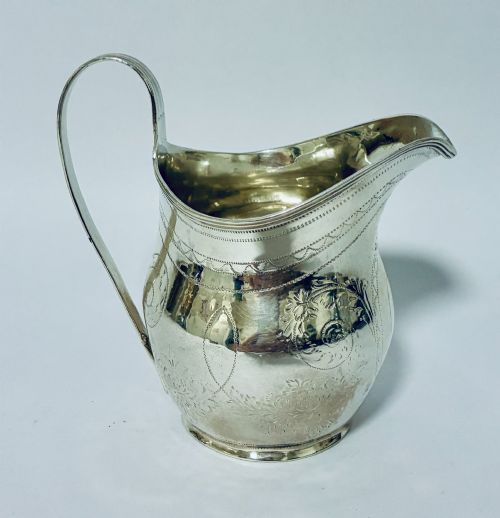
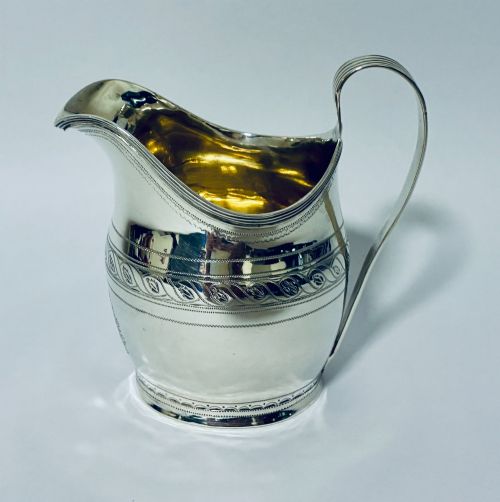
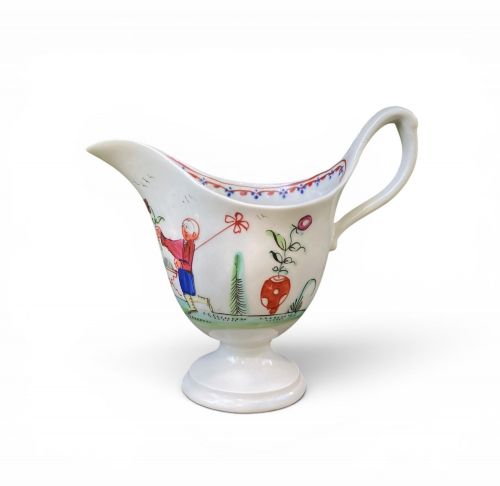
The pieces on this page appear primarily in sterling silver, silver, and porcelain with enamel decoration. Forms span from plain domestic items to bright cut silver designs and patterned porcelain with clip handles.
Regional British silversmiths are well represented alongside London makers, showing provincial variation in design. Makers such as Stalker & Mitchison, James Gordon, and Peter & Ann Bateman highlight the domestic scale of production.
How They Were Made
Silversmiths utilised sterling silver and standard silver, shaping bodies through hammering, raising, and soldering. Decoration on these items often includes bright cut engraving directly into the metal surface.
Porcelain examples utilise ceramic pastes finished with enamel painted designs and glazed surfaces. Specialised handles, such as clip handles, were securely attached during the manufacturing process before final firing.
Retail Price Guide 2026
Typical UK retail prices for georgian milk pitcher, calculated from the Sellingantiques database of over a million retail prices indexed since 2003. This retail price guide relies exclusively on Sellingantiques data; no external sources or auction records are used, so the figures do not describe the wider market.
Current listings include pieces made from sterling silver, silver, and porcelain with enamel, originating from the Georgian period.
What Varies in Quality
The standard of a georgian milk pitcher rests on the crispness of its engraving, the balance of its handle and spout, and the integrity of its makers marks. Finer silver examples display precise bright cut work and substantial metal gauge rather than thin construction.
Porcelain pieces rely on the clarity of the enamel painting and the stability of the ceramic body. Pieces carrying identifiable provincial or London maker marks command greater historical interest.
Stalker & Mitchison·James Gordon·Peter & Ann Bateman
The Georgian Milk Pitcher Glossary
- Bright cut
- An engraving technique utilising faceted cuts to create a sparkling, geometric pattern across a silver surface. This style was particularly fashionable during the late 18th Century.
- Clip handle
- A specific ceramic handle profile shaped for a secure grip, often found on porcelain jugs of the period. New Hall utilised this form on patterned tea wares.
- Sterling silver
- A silver alloy containing 92.5 percent pure silver and 7.5 percent other metals, usually copper, ensuring durability for functional tableware.
Frequently Asked Questions
What is a georgian milk pitcher?
A georgian milk pitcher is a small domestic vessel used for serving milk or cream during tea and coffee services in the 18th Century and early 19th Century.
These pieces were made by silversmiths and ceramic factories to match contemporary tea sets, functioning both as useful tableware and decorative objects.
How do I identify silver makers?
Makers of silver pieces stamped their initials or full names alongside assay office marks and date letters directly onto the metal surface.
These tiny stamped marks help identify the specific silversmith and the town where the item was tested for metal purity.
Were these jugs used for milk or cream?
Historical records and contemporary descriptions use the terms milk jug and cream jug interchangeably for these small pouring vessels.
Depending on the household size and beverage fashion of the day, the contents varied between milk and rich cream.
How should I clean silver jugs?
Silver vessels require gentle washing in warm soapy water followed by thorough drying with a soft cloth to protect the metal surface.
Harsh abrasive dips can strip away the aged patina and damage delicate bright cut engraving built up over centuries.