



Pedestal Silver Jug
A pedestal silver jug brings raised elegance to the table, and these refined serving vessels suit both collectors and daily hosts.
What a pedestal silver jug is
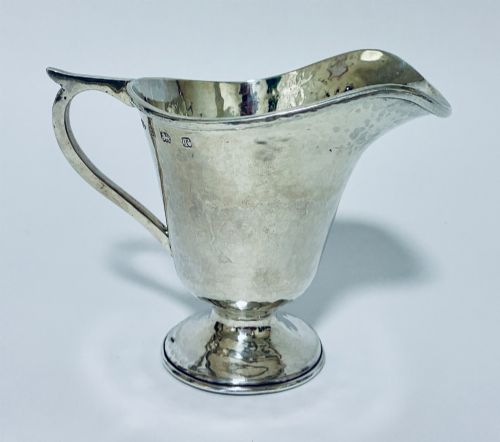
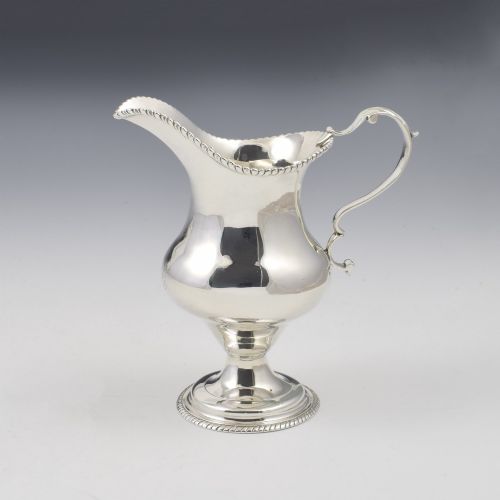
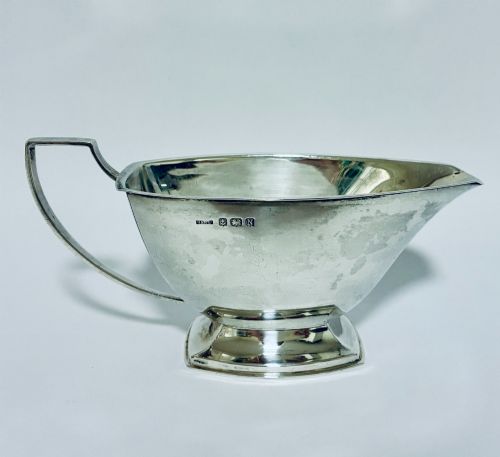
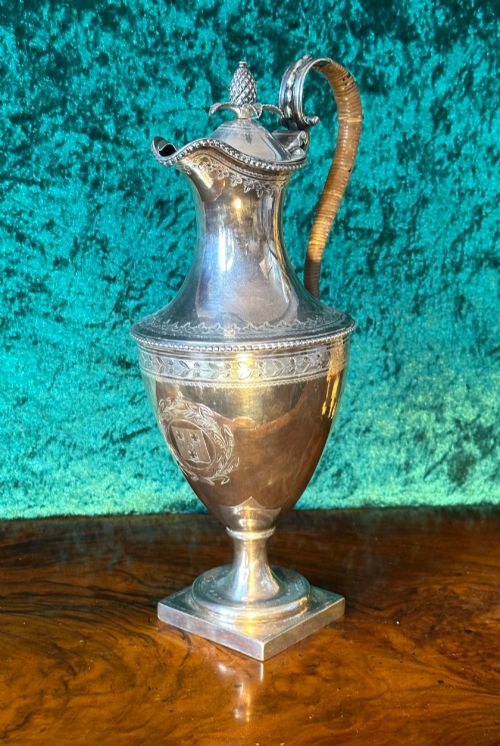
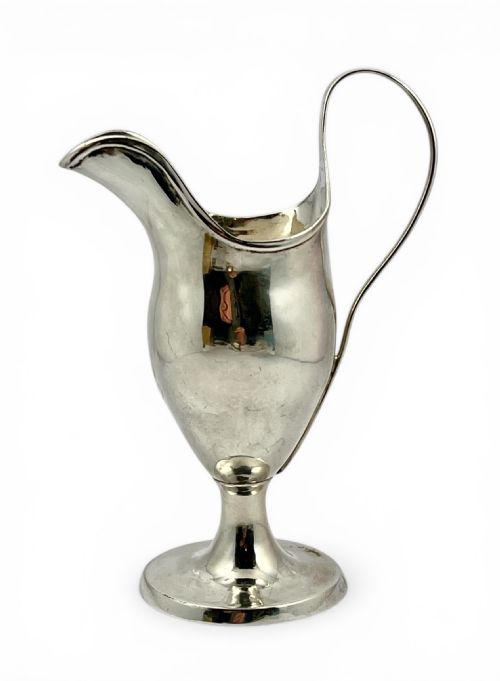
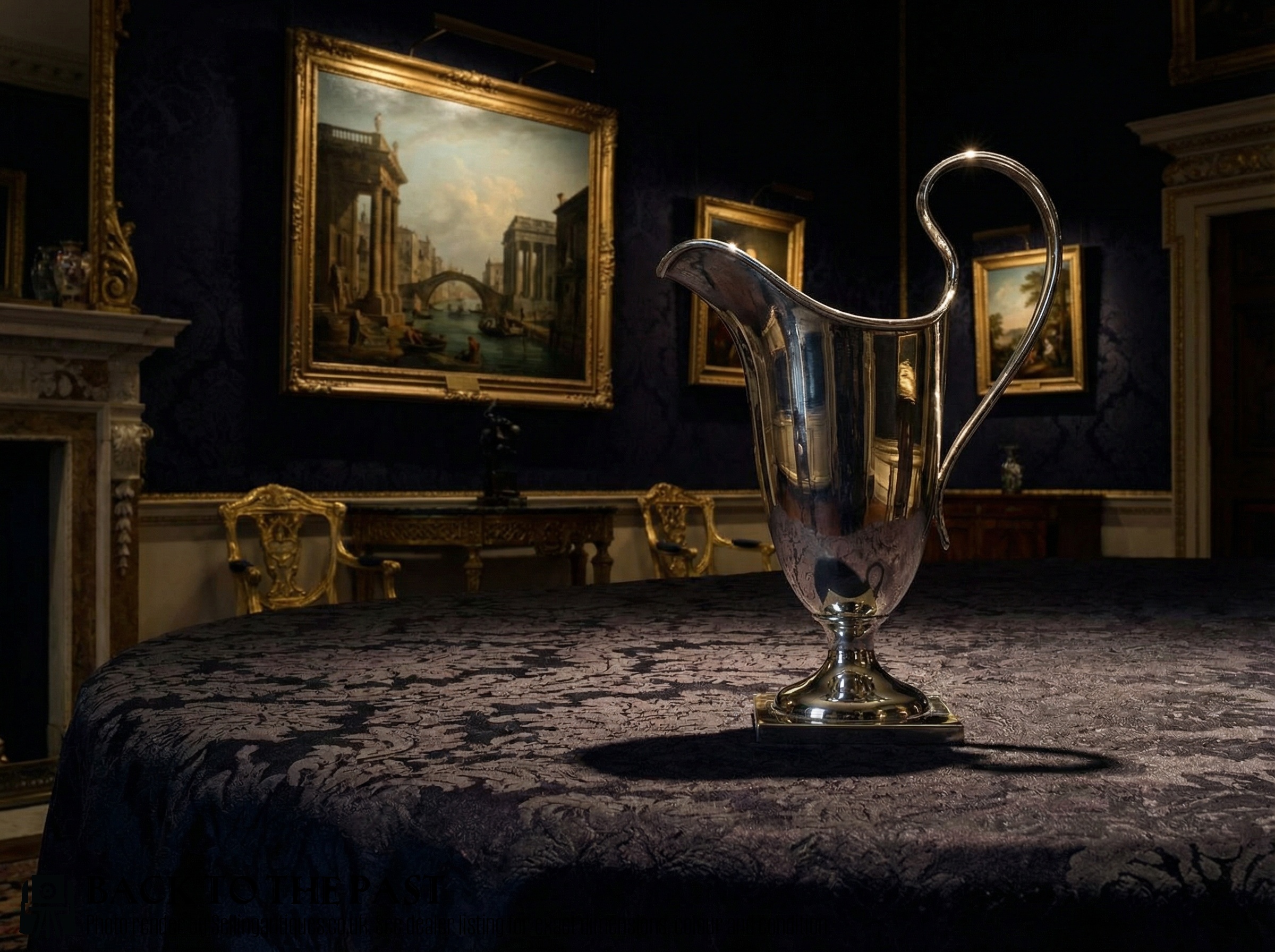
A pedestal silver jug stands elevated upon a raised foot, creating a distinct vertical form that lifts the bowl above the surface. These pieces serve primarily as cream jugs, milk jugs, or small ewers.
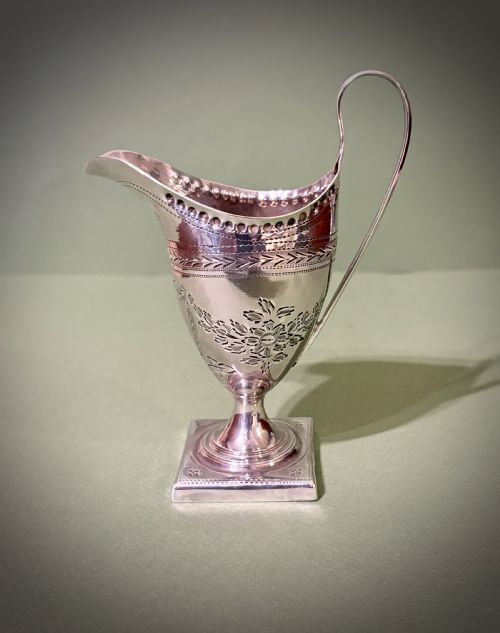
Forms range from classical helmet profiles to spiral fluted bodies and vessels decorated with embossed details or hunting scenes. Each pedestal silver jug reflects the distinct aesthetic of its period, from neoclassical restraint to provincial craftsmanship.
How they were made
Silversmiths shaped these vessels using sterling silver, working sheet metal through hammering and raising techniques to form the distinct pedestal foot and body. Master craftsmen then soldered the components together before applying surface decoration.
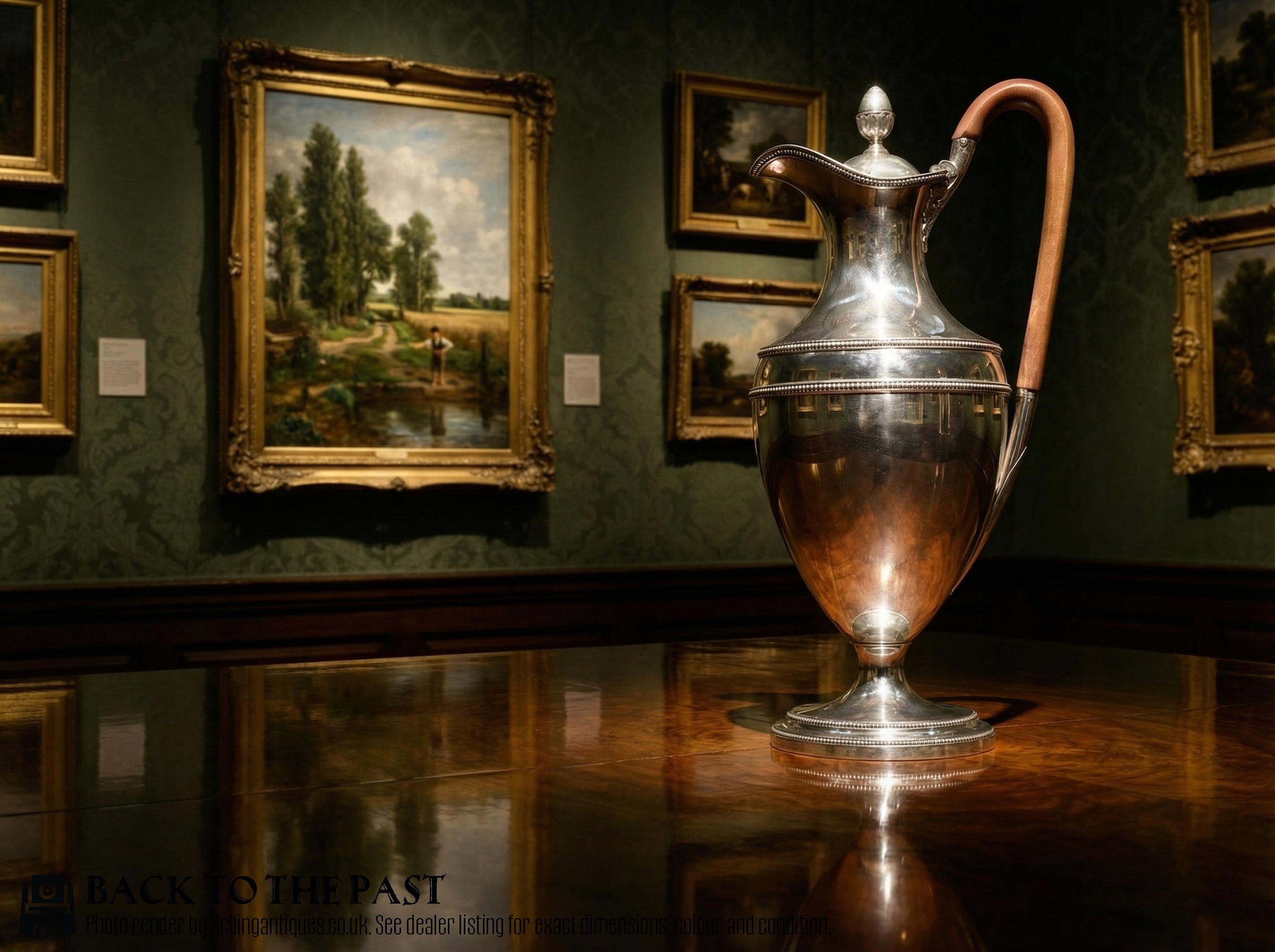
Decoration techniques include embossing and hand engraving, as seen in the rendering of hunting scenes on eighteenth-century examples. Artisans occasionally incorporated wooden components for handles to provide insulation and contrast against the polished silver.
Retail Price Guide 2026
Typical UK retail prices for pedestal silver jug, calculated from the Sellingantiques database of over a million retail prices indexed since 2003. This retail price guide relies exclusively on Sellingantiques data; no external sources or auction records are used, so the figures do not describe the wider market.
Listings for pedestal silver jugs span the eighteenth century, the Georgian period, and nineteen-twenty, featuring sterling silver and wood materials.
What varies in quality
The distinction between standard examples and superior pieces rests on the crispness of the chasing, the weight of the sterling silver, and the proportion of the pedestal foot. Master silversmiths achieved a balanced harmony in the handle and spout that lesser workshops missed.
Provenance and maker attribution elevate certain pieces, particularly those bearing the marks of noted provincial silversmiths or London makers such as John Scofield. The depth and clarity of the hallmarks also contribute to the desirability of an antique jug.
Stalker & Mitchison·James Gordon·Robert Pringle & Sons·John Scofield·Walter Brind·Samuel Smith & Co.
The Pedestal Silver Jug Glossary
- Pedestal foot
- A raised circular or multi-sided base that elevates the main body of the jug. This architectural feature provides both stability and height.
- Helmet cream jug
- A vessel featuring a flared rim and sweeping lip that resembles an upturned classical helmet. Eighteenth-century silversmiths favoured this graceful silhouette.
- Sterling silver
- An alloy comprising ninety-two point five percent silver and seven point five percent other metals, usually copper. This standard ensures durability while maintaining a bright lustre.
- Ewer
- A large jug with a wide spout and a large handle, traditionally used for pouring water or wine. In these records, the term describes substantial pedestal vessels.
- Provincial silver
- Items marked outside of London, such as in Newcastle or Aberdeen. These pieces often display unique regional characteristics and local maker marks.
Frequently Asked Questions
How do I date a silver jug?
Dating relies heavily upon the hallmarks stamped into the silver, which reveal the assay office, the date letter, and the maker's mark. Examining the overall style and form also helps determine the period.
Georgian pieces often display neoclassical lines or bright-cut engraving, whereas later George V examples reflect twentieth-century revivals of earlier designs.
How were these jugs used historically?
These vessels served a practical role at the dining or tea table for pouring cream or milk into cups. Wealthy households utilised them daily as part of formal silver service.
Their elevated pedestal design kept the contents away from heat and added a decorative element to the tablescape.
Can I use an antique silver jug daily?
Using an antique pedestal silver jug for daily service is entirely possible with proper care and gentle hand washing. Sterling silver develops a soft patina over time through careful handling.
Harsh abrasive cleaners should be avoided to preserve the original hallmarks and delicate surface details.