


Hallmarked Silver Creamer
These hallmarked silver creamer examples are solid sterling vessels intended for milk or cream, prized for their traditional British assay office marks and lasting utility.
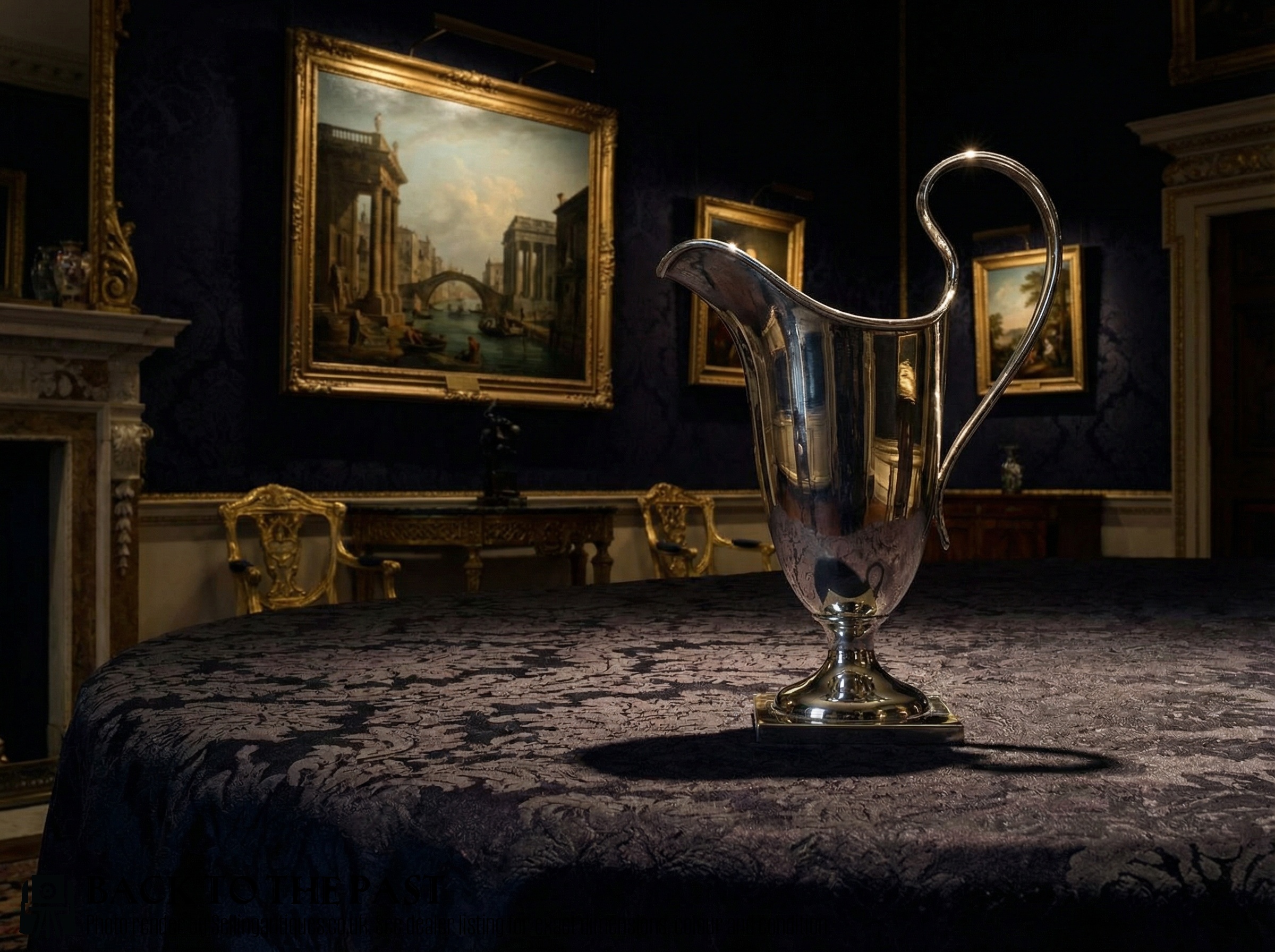
Hallmarked Silver Creamer
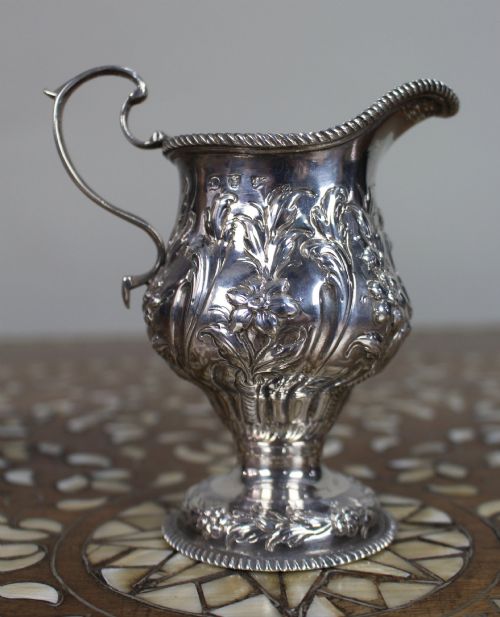
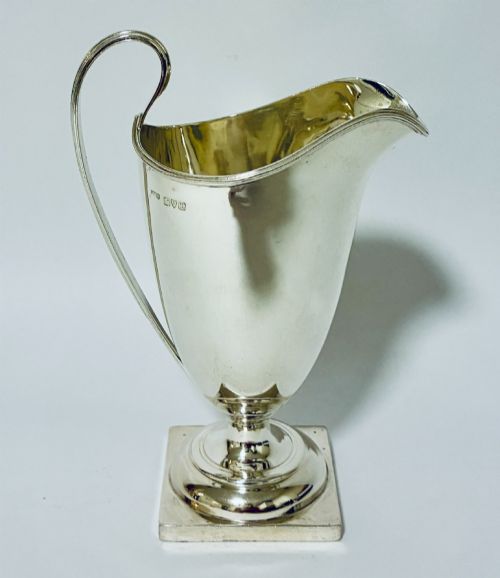
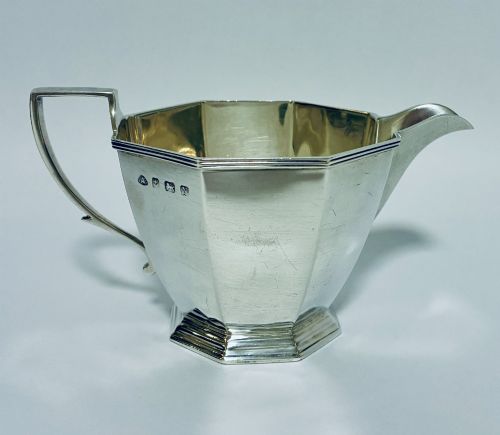
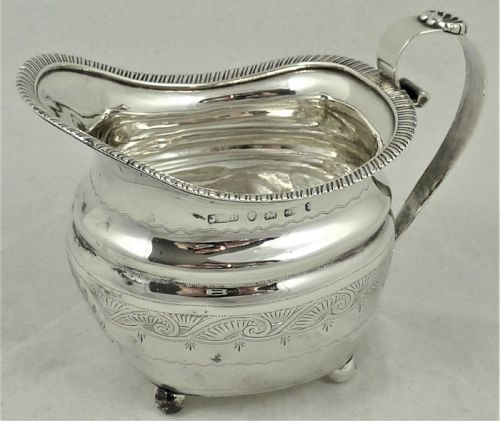
A hallmarked silver creamer is a small pouring vessel designed for service alongside tea and coffee, appearing in various forms across multiple British eras. When you search for a hallmarked silver creamer, you encounter practical tableware spanning distinct historical periods from the Regency era through to the Art Deco epoch.
The selections on this page most frequently take the form of individual cream jugs or milk jugs in sterling silver. Alongside standalone pieces, you may occasionally find them paired within larger tea and coffee services or accompanied by complementary sugar bowls and tongs.
Origins stretch from the nineteenth century into the twentieth, showing traditional forms shaped by Victorian, Georgian, and later George V tastes. Each piece bears official hallmarks that confirm its silver standard and origin.
How they were made
Makers shaped these vessels primarily from sterling silver, employing traditional metalsmithing techniques such as raising from a flat sheet or casting handles and decorative elements. Some interiors feature a silver-gilt wash, applying a thin layer of gold over the silver surface for a rich contrast.
Surface decoration relies on crisp hallmarks punched directly into the metal by official assay offices, recording the standard, town, and date letter. Additional embellishments include chased or engraved details characteristic of Victorian and Georgian styles.
One exceptional Victorian set includes matching strawberry items alongside the usual sugar bowl and tongs.
What varies in quality
Quality rests in the crispness of the silversmith's handwork, the weight of the sterling silver used in the body, and the legibility of the official hallmarks. Superior examples maintain clean lines and balanced proportions without distortion from heavy polishing or prior repairs.
The distinction between standard domestic ware and finer pieces often lies in the depth of engraving, the solidity of the handle attachment, and whether the interior retains its original silver-gilt finish.
John Rawlings·George Unite·Robert Pringle and Sons·Joseph Craddock
The Hallmarked Silver Creamer Glossary
- Hallmark
- Official marks stamped on precious metals to guarantee the purity and origin of the piece. These stamps typically include a maker's mark, standard mark, and date letter.
- Sterling silver
- An alloy consisting of ninety-two point five percent silver and seven point five percent other metals, usually copper. This standard forms the basis of British silver manufacturing.
- Silver-gilt
- Sterling silver that has been plated with a thin layer of pure gold on the surface. This technique is frequently found on the interior bowls of cream jugs.
- Assay office
- An official body responsible for testing the purity of precious metal items and applying hallmarks. Prominent British offices include London and Birmingham.
Hallmarked Silver Creamer: Frequently Asked Questions
What is a hallmarked silver creamer used for?
These vessels serve to hold and pour cream or milk during tea and coffee service. They add a traditional touch to table settings.
Collectors also display them as standalone examples of period silversmithing and assay office history.
How do I read the hallmarks?
Hallmarks consist of several punches that reveal the maker, the silver standard, the assay office town, and the year of testing. Reference books help decode the specific date letters.
Finding clear stamps adds historical context and confirms the authenticity of the sterling silver.
Are these creamers safe to use daily?
Sterling silver is durable enough for regular use, provided it receives proper care and gentle hand washing. Using them daily develops a soft patina over time.
Avoid abrasive cleaners to preserve the original surface detail and the official hallmarks.
How do I tell a Victorian creamer from a Georgian one?
Victorian examples often display heavier ornamentation, ornate chasing, and specific date letters corresponding to the nineteenth century. Georgian pieces tend to show cleaner Neoclassical lines or simpler curves.
Examining the shape and the style of the assay office punch helps narrow down the period of manufacture.