


Irish Silver Flatware
Irish silver flatware brings substantial Dublin craftsmanship and distinct regional patterns straight to the dining table.
Irish Silver Flatware
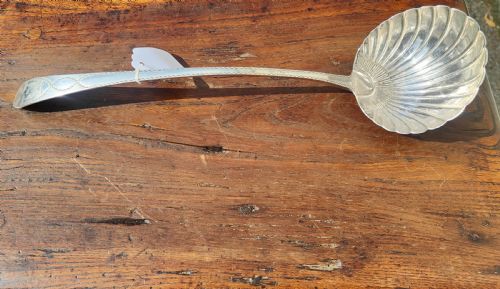
Irish silver flatware encompasses utilitarian and serving cutlery fashioned across the eighteenth and nineteenth centuries, including ladles, marrow scoops, caddy spoons, and fish slices. These pieces span periods from the mid-eighteenth century through the Georgian era and into the nineteenth century.
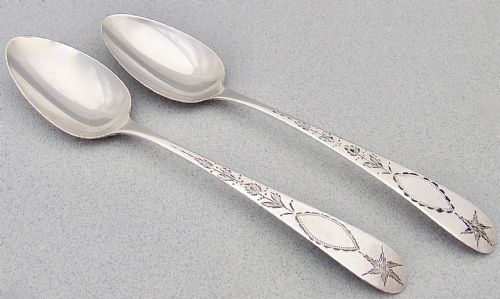
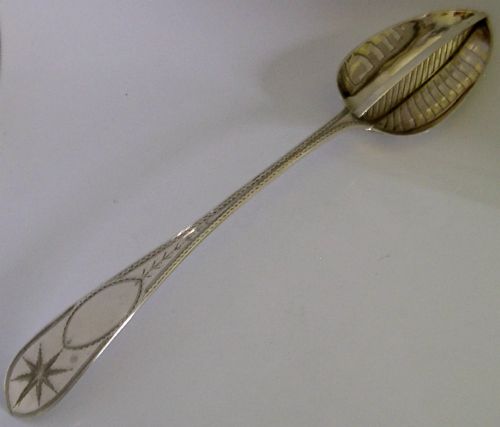
The objects listed on this page represent practical dining implements and serving pieces created in sterling silver. Buyers find specialised forms like hookend basting spoons, strainer spoons, and dessert spoons bearing regional characteristics.
How they were made
Makers fashioned irish silver flatware from sterling silver, shaping forms such as marrow scoops, caddy spoons, and soup ladles by hand. Techniques involved hammering and shaping the metal into patterns like Celtic Point, Old English, and Fiddle.
Makers incorporated functional elements like pierced strainer bowls and hookend handles into specific basting and serving utensils. Surviving pieces sometimes retain fitted presentation cases lined with materials such as velvet and silk.
Listings feature sterling silver spanning the eighteenth and nineteenth centuries, including the Georgian period.
What varies in quality
Quality in irish silver flatware rests upon the clarity of Dublin hallmarks, the crispness of engraved family crests, and the preservation of original form. Pieces bearing named silversmith marks demonstrate distinct workshop standards.
The weight of the silver and the structural integrity of specialised utensils, such as pierced strainer spoons and marrow scoops, distinguish standard service items from more substantial dining pieces.
John Pittar·Edward Power·John Locker·Michael Smith
The Irish Silver Flatware Glossary
- Sterling silver
- A standard alloy composed of ninety-two point five percent silver and seven point five percent other metals, typically copper. This alloy provides the durable material necessary for functional flatware and serving utensils.
- Celtic Point
- A tapering flatware handle style featuring a pointed terminal, frequently engraved with crests or monograms. This pattern appears on eighteenth-century Irish dessert and basting spoons.
- Marrow scoop
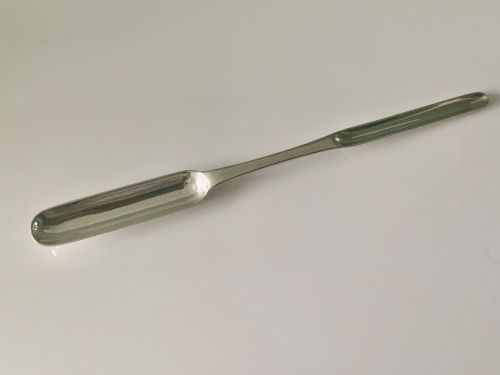
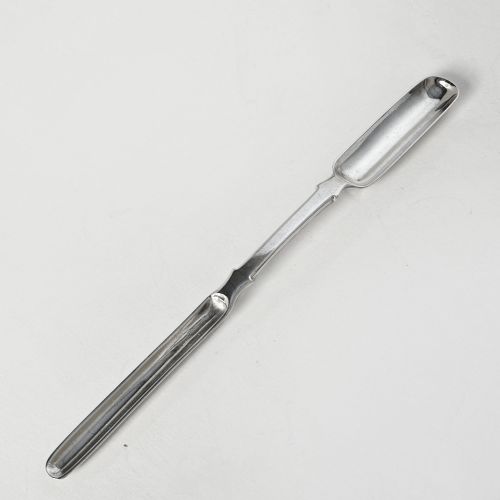
- A narrow, double-ended utensil featuring shallow troughs designed for extracting marrow from bones. These specialised implements form part of Georgian dining silver.
- Hookend
- A flatware handle design incorporating a curved or hooked terminal to secure the spoon on the edge of a bowl or dish. This feature appears on eighteenth-century basting spoons.
- Fiddle pattern
- A nineteenth-century handle shape characterised by a widened, shoulder-like projection near the terminal resembling a fiddle. This style is found on Irish fish slices and flatware.
Irish Silver Flatware: Frequently Asked Questions
How do I date irish silver flatware?
Dating relies upon examining the Dublin assay office marks, maker stamps, and date letters stamped directly into the sterling silver. Stylistic indicators like Celtic Point handles and Fiddle patterns also help narrow the period of manufacture.
Comparison with documented silversmith active dates refines the timeline further.
What were marrow scoops used for?
Marrow scoops served aristocratic dining tables where diners extracted bone marrow from joints of meat during formal meals. The dual-ended design accommodated different bone sizes.
These slim utensils remained standard components of Georgian silver services.
How do I clean antique silver flatware?
Careful washing in warm water with mild soap removes everyday residue without harming the antique surface. Soft cloths prevent scratching the sterling silver.
Harsh chemical dips and abrasive polishes damage delicate engravings and erase historic hallmarks.
What is a basting spoon?
A basting spoon is an oversized utensil designed for scooping and pouring pan juices over roasting meat. Irish examples often include specialised strainer bowls or hookend handles.
These substantial pieces formed part of elite eighteenth-century kitchen and dining equipment.