




Neoclassical Silver Jug
These neoclassical silver jug examples combine classical proportions with functional utility, offering collectors an elegant centrepiece for period interiors.
Neoclassical Silver Jug
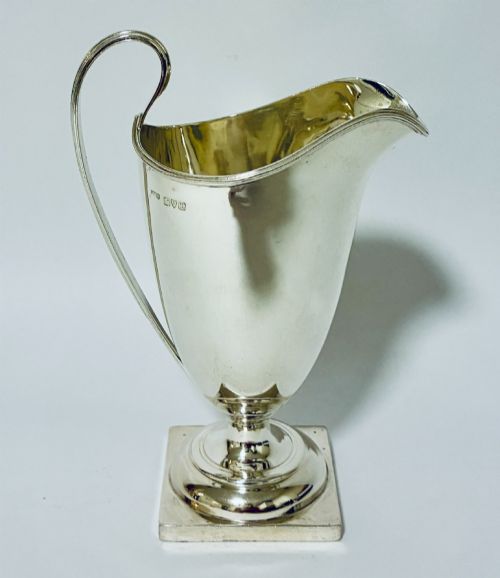
A neoclassical silver jug embodies the clean lines, symmetry, and classical ornamentation characteristic of the Georgian, Regency, and Empire periods. When searching for a neoclassical silver jug, buyers encounter various forms including ewers, coffee pots, cream jugs, and pitchers originating from the eighteenth and nineteenth centuries.
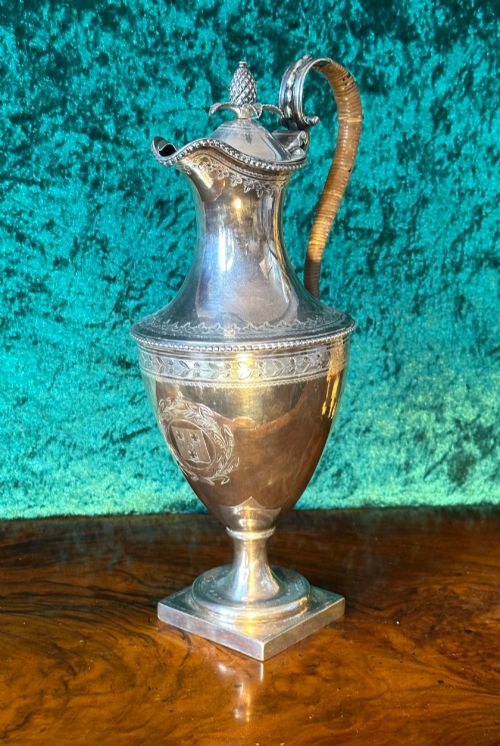
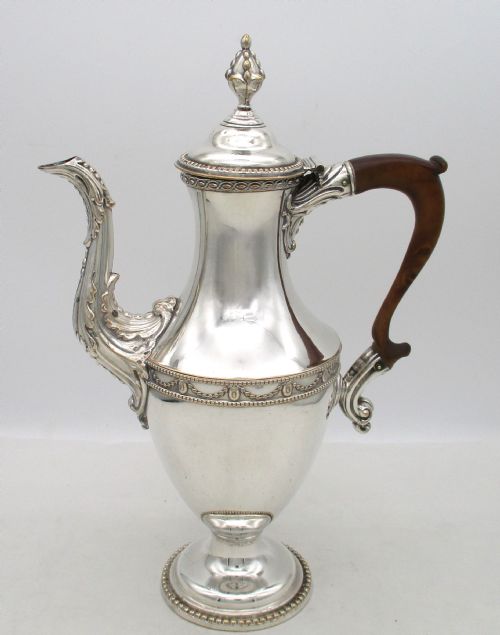
The pieces appearing on this page span several eras, reaching from eighteenth-century examples through to twentieth-century sterling silver sets and nineteen-sixties productions. Forms range from large coffee pots and wine ewers bearing coats of arms to bright-cut cream jugs and detailed engraved vessels.
Makers utilised distinct regional styles across these periods, creating varied profiles from tall coffee vessels to smaller cream containers. Each object reflects the prevailing classical motifs of its era while maintaining the core utility of a pouring vessel.
Materials and construction methods
Makers fashioned these vessels using sterling silver, solid silver, and Old Sheffield plate, often incorporating supplementary materials such as wood, hardwood, and ebony for handles and insulation. Wickerwork also appears on select pieces to protect hands from heat.
Craftsmen applied intricate engraving and bright-cut techniques to decorate the silver surfaces with classical motifs. Plating methods on Old Sheffield pieces involved fusing a thin layer of silver onto a copper base, creating durable vessels with rich metallic lustre.
Listings feature items spanning the eighteenth century, the Georgian period, the nineteenth century, and the nineteen-twenties, alongside nineteen-sixties pieces.
Distinguishing quality in these vessels
Quality reveals itself in the crispness of the engraved details and the precision of the classical proportions. Superior pieces demonstrate harmonious balance between the body, spout, and handle, executed with clean lines that respect the neoclassical aesthetic.
The choice of handle materials and the integration of secondary elements like hardwood or ebony indicate the standard of production. Finer items exhibit superior craftsmanship in the joints and mounts, ensuring both aesthetic refinement and structural integrity.
The Neoclassical Silver Jug Glossary
- Ewer
- A large jug with a wide spout and a handle, traditionally used for holding water or wine. These vessels often feature prominent classical styling.
- Bright-cut
- A style of engraving characterised by faceted cuts made with a flat graving tool, creating brilliant light reflections on the silver surface. It is frequently seen on Georgian pieces.
- Old Sheffield Plate
- A composite material made by fusing a thin sheet of silver to a thick copper base, developed in the eighteenth century. This technique produces durable items with genuine silver surfaces.
- Regency
- A British design period spanning the early nineteenth century, known for strong classical influences derived from ancient Greece and Rome. Pieces from this era display bold forms and restrained ornament.
Neoclassical Silver Jug: Frequently Asked Questions
How do I date a neoclassical silver jug?
Dating relies on examining hallmarks, style characteristics, and manufacturing techniques associated with periods like the Georgian era or the nineteenth century. Makers' marks and town marks provide precise chronological indicators where present.
Secondary materials and construction methods further narrow down the production era, distinguishing eighteenth-century Old Sheffield plate from later twentieth-century sterling silver items.
How should I clean antique silver and plated jugs?
Maintenance requires gentle cleaning with non-abrasive silver polishes specifically formulated for antiques. Avoid harsh chemical dips that strip away desirable patinas or damage Old Sheffield plating.
Regular soft dusting and careful handling preserve the bright-cut engraving and the integrity of wooden or ebony handle components.
Can I use these jugs for serving drinks today?
Solid sterling silver vessels remain fully functional for serving beverages, provided they are cleaned thoroughly before use. Items fashioned from Old Sheffield plate require care to avoid exposing the underlying base metal through excessive polishing.
Many collectors prefer to display these pieces as decorative items rather than subjecting historical surfaces to daily use.