


Silver Bottle Coasters
Silver bottle coasters protect dining tables while carrying decanters or wine bottles gracefully across the mahogany.

Silver Bottle Coasters
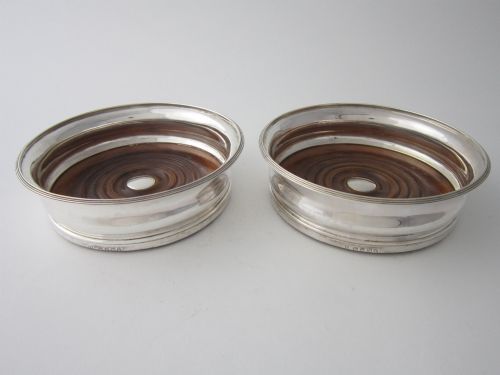
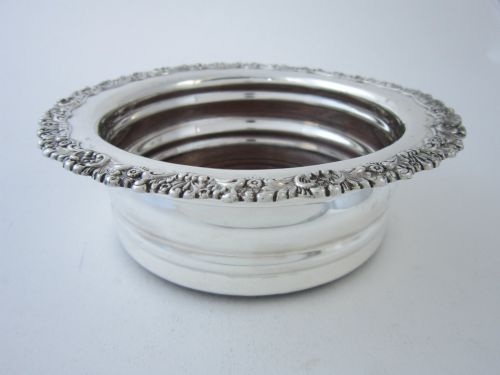
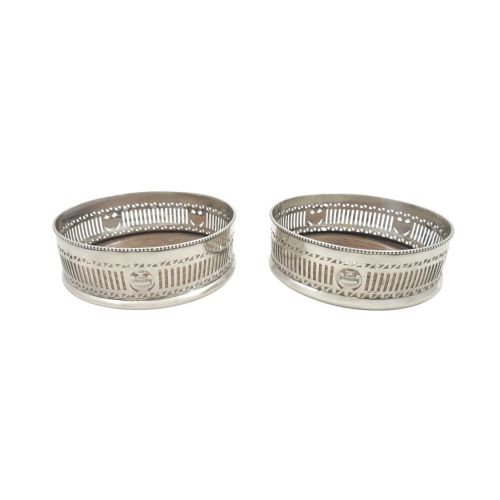
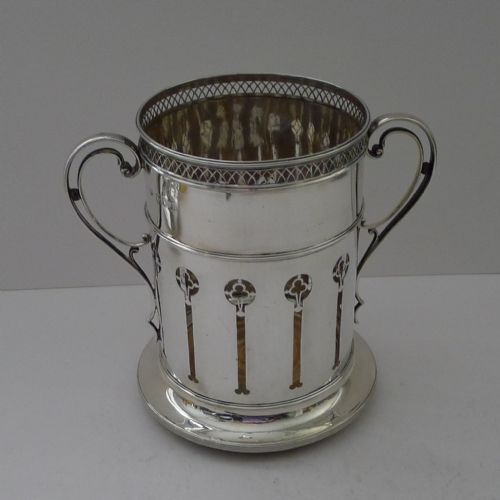
Silver bottle coasters span periods from the Georgian era through the Victorian and Edwardian decades up to the mid-twentieth century. They take the form of round galleries designed to hold wine bottles, decanters, and champagne magnums. These table accessories appear frequently as matched pairs or individual stands intended for formal dining.
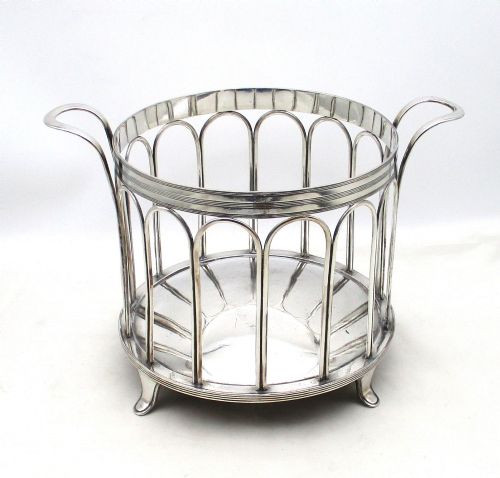
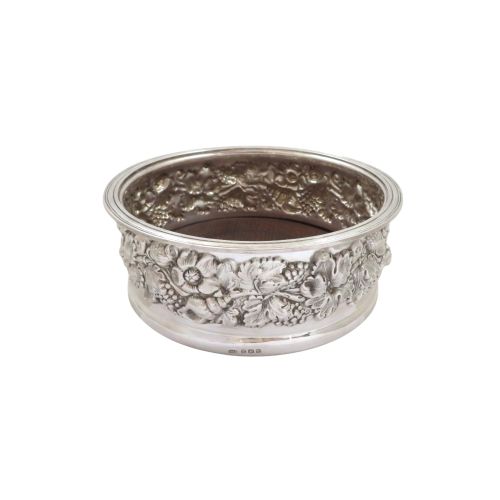
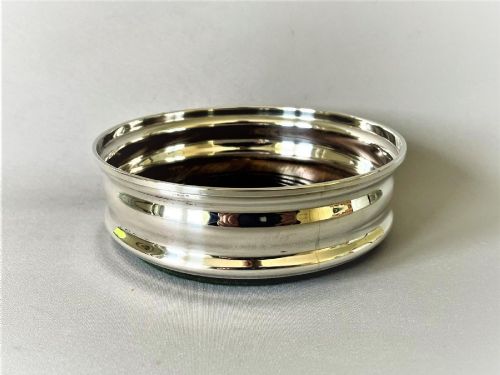
Makers produced these pieces in solid sterling silver and various plated methods, occasionally incorporating turned wood bases. Forms range from simple high-sided sleeves to articulated wine wagons and triple drinks carts. Buyers encounter standard single-bottle sizes alongside larger magnum holders and multi-bottle carriers.

Materials and Construction
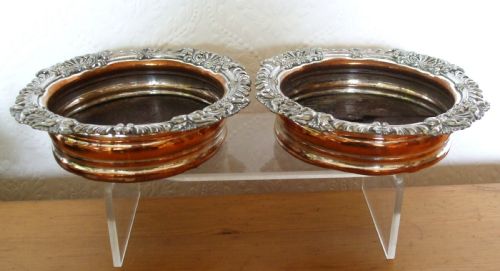
Silversmiths combined sterling silver, Old Sheffield plate, and later silver plate over copper or base metals to construct the bodies. Many examples feature turned mahogany or oak bases inset with silver buttons, allowing the vessels to slide smoothly across wooden surfaces.
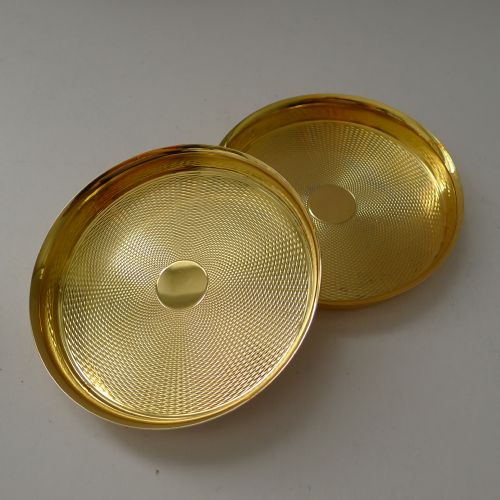
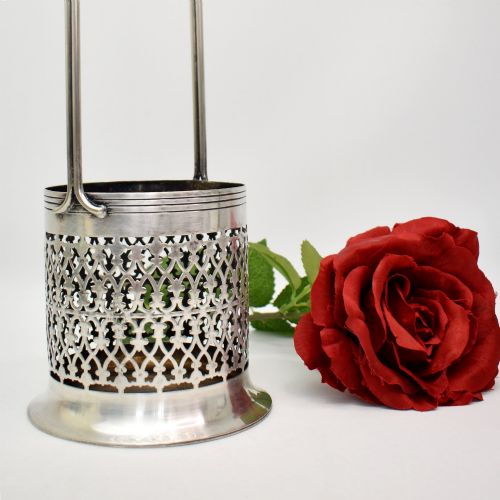
Piercing, repoussé work, and applied cast borders displaying grape and vine motifs defined the decorative execution. Makers utilised silver gilt or vermeil interiors on specific luxury items to prevent wine staining.
Silver Bottle Coasters Retail Price Guide 2026
Typical asking prices for silver bottle coasters among the pieces listed under this phrase on Sellingantiques today, from the lower quarter to the upper quarter. They describe what is for sale here now, not the wider market.
Distinctions in Quality
The weight of the metal and the crispness of the cast or pierced decoration establish the grade of a piece. Heavier gauge silver and thick Old Sheffield plating retain their structural integrity and surface detail over generations of use.
Superior craftsmanship shows in the seamless joining of wooden bases to metal galleries and the fine detail found in armorial engravings or floral borders. Lesser examples display thin plating that reveals the underlying base metal through wear.
Matthew Boulton·Christofle·Elkington and Mason·Mappin and Webb·John and Thomas Settle
The Silver Bottle Coasters Glossary
- Old Sheffield Plate
- A fused laminate of silver and copper produced before electroplating was invented. This technique creates a rich depth of metal visible where edges wear.
- Vermeil
- Sterling silver coated with a thin layer of gold. This finish provides a warm yellow tone and protects the interior metal from acidic wine.
- Piercing
- A decorative technique involving cutting patterns through the metal sheet. This method lightens the visual weight of the gallery walls.
Silver Bottle Coasters: Frequently Asked Questions
How were silver bottle coasters used?
Hosts placed decanters or wine bottles inside the coasters to circulate wine around the dining table after the servants departed. The raised rims kept moisture and condensation off polished wooden surfaces.
Guests slid the coasters from person to person along the length of the table. Certain multi-bottle carriers and wine wagons allowed several vintages to travel together.
What is the difference between solid silver and plate?
Solid silver pieces carry official assay office hallmarks indicating town, date, and maker's stamp in sterling grade metal. Silver plated items feature a thin layer of silver applied over a base metal such as copper.
Old Sheffield plate uses a mechanical fusion method, whereas later plated items rely on an electrical process. Both plated types offer the visual appeal of silver at a different weight and cost.
How do I date a silver bottle coaster?
Hallmarks on sterling silver pieces provide exact year letters and city marks that pinpoint the date of manufacture. Stylistic clues such as Regency shapes or Art Nouveau whiplash lines help date unmarked plated examples.
Construction details, including the presence of turned wooden bases and hand-pierced galleries, further distinguish Georgian work from Edwardian production.
Can modern wine bottles fit in antique coasters?
Standard antique coasters accommodate traditional Bordeaux and Burgundy wine bottles as well as standard decanters. Magnum sizes and champagne bottles require larger specialised holders designed for wider diameters.
Checking the interior diameter of the gallery ensures that modern bottles sit securely inside the wooden or metal base.