


Silver Plated Coasters
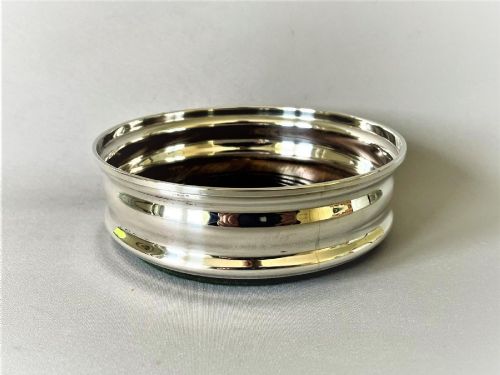
When searching for silver plated coasters, buyers encounter dining table accessories designed to protect polished wood from bottle moisture.
Silver Plated Coasters
When searching for silver plated coasters, buyers encounter dining table accessories designed to protect polished wood from bottle moisture. These items appear primarily as single pieces or matched pairs intended for wine bottles, decanters, and champagne magnums.
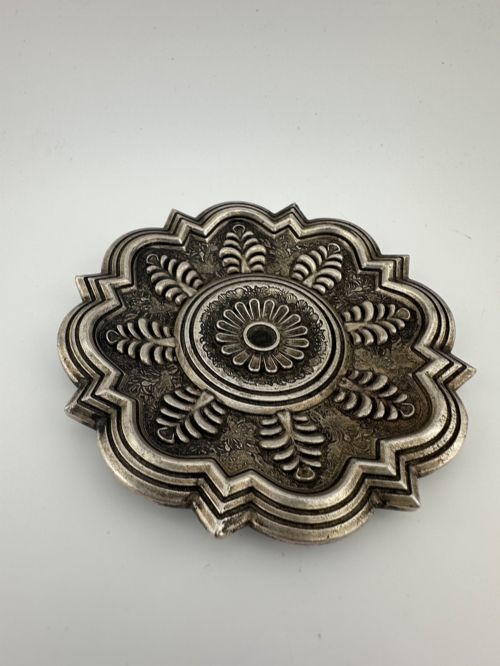
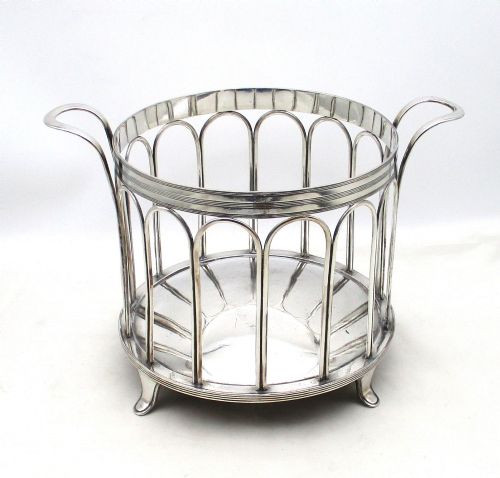
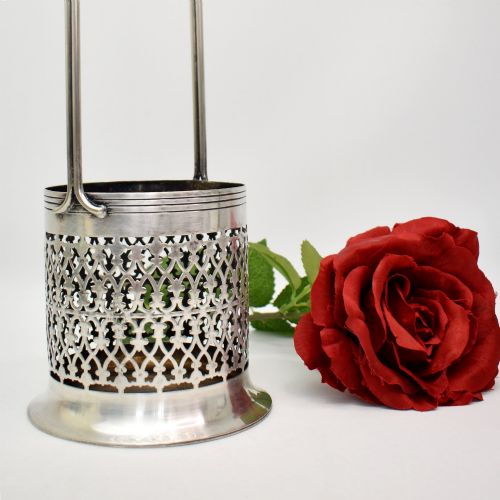
The inventory on this page ranges from Georgian and Regency Old Sheffield Plate examples to Victorian pierced galleries and later Edwardian and mid-century items. Forms extend beyond standard round dishes to include bottle trolleys, carriage coasters, and multi-bottle holders.
Materials and Technique
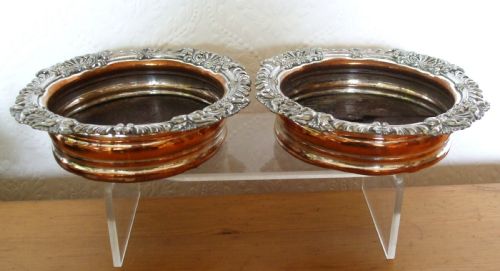
Many early examples utilise Old Sheffield Plate, a technique fusing a thin sheet of silver to a thicker copper base. Later Victorian and 20th-century items rely on electroplating silver onto base metals such as copper or white metal.
Turned wood bases, frequently mahogany, feature centrally inside the metal rims to cushion heavy glass decanters. Piercing, embossing, and applied cast vine motifs ornament the galleries of 19th-century specimens.
Silver Plated Coasters Retail Price Guide 2026
Typical asking prices for silver plated coasters among the pieces listed under this phrase on Sellingantiques today, from the lower quarter to the upper quarter. They describe what is for sale here now, not the wider market.
Assessing Quality
Quality rests in the weight of the metal, the crispness of the pierced or embossed gallery work, and the integrity of the turned wood base. Substantial gauge silver plate and deep walls separate superior dining pieces from lighter, utilitarian barware.
Makers' marks and stamps from notable workshops indicate higher standards of production. The survival of the original silver layer without excessive copper show-through on Old Sheffield Plate determines the desirability of older items.
Matthew Boulton·Elkington & Co·Mappin & Webb·Christofle·Tiffany & Co·Hawksworth Eyre & Co
The Silver Plated Coasters Glossary
- Old Sheffield Plate
- An early method of fusing silver and copper together before the invention of electroplating. Pieces made this way often reveal faint copper lines at the cut edges.
- Gallery
- The pierced or solid upright rim surrounding the base of a coaster. Victorian examples frequently feature intricate grape and vine motifs along this border.
- Decanter Trolley
- A wheeled coaster or carriage designed to roll across the dining table. They accommodate single bottles or multiple decanters connected in a small chassis.
- Vermeil
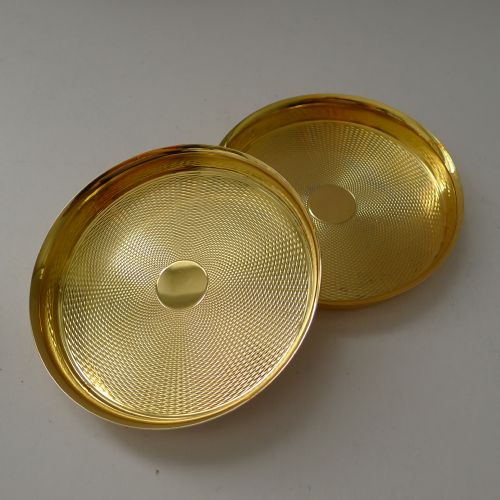
- Gold plating applied over silver. Some mid-century items utilise this finish inside the coaster bowl.
Silver Plated Coasters: Frequently Asked Questions
What were silver plated coasters used for?
These pieces served on dining tables to hold wine bottles and decanters. They protected polished mahogany surfaces from condensation and rings left by wet glass.
Hosts also utilised wheeled versions, known as trolleys, to pass bottles smoothly down the table after dinner without lifting them.
How do I clean silver plated coasters?
Cleaning requires a soft cloth and a specialised silver polish formulated for plated items. Vigorous rubbing must be avoided to prevent wearing away the thin silver layer, particularly on older Old Sheffield Plate.
Wooden bases should be kept dry during cleaning to protect the original grain and prevent warping around the metal rims.
How can I tell Old Sheffield Plate from electroplate?
Old Sheffield Plate shows subtle streaks or dots of reddish copper where the base metal meets the edges or underside. Electroplated items display a uniform silver coating over the entire object.
Earlier Georgian pieces typically utilise the fused copper method, while Victorian and later pieces employ electroplating techniques.
Can I use antique coasters for modern wine bottles?
Standard antique wine coasters accommodate traditional bordeaux and burgundy bottles comfortably. Magnum sizes and modern champagne bottles require larger Victorian or Edwardian holder variants.
Checking the internal diameter of the coaster ensures proper fit for contemporary glassware.