


Antique Bottle Coasters
Antique bottle coasters protect the dining table from rings and spills while keeping the port moving.
What Antique Bottle Coasters Are
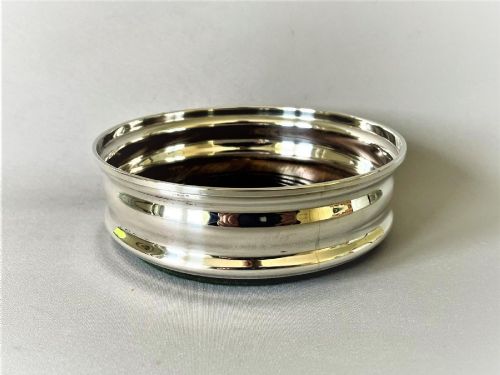
Antique bottle coasters are low, circular stands designed to hold wine bottles and decanters securely during dinner. When you search for antique bottle coasters, you encounter pieces intended to slide smoothly across polished mahogany or walnut surfaces without scratching the wood.
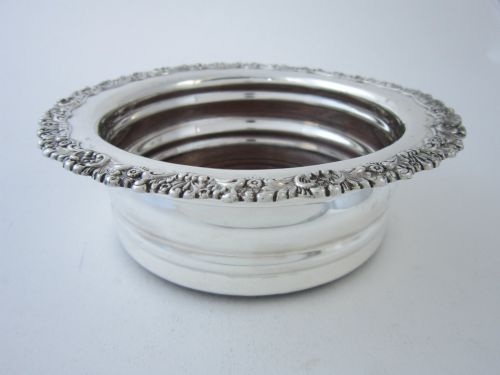
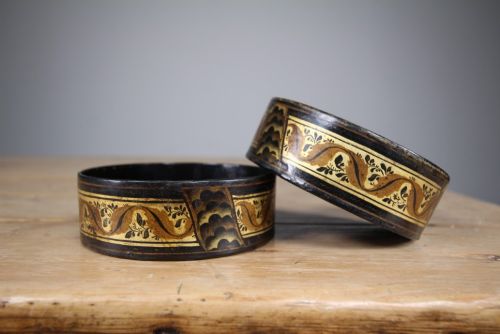
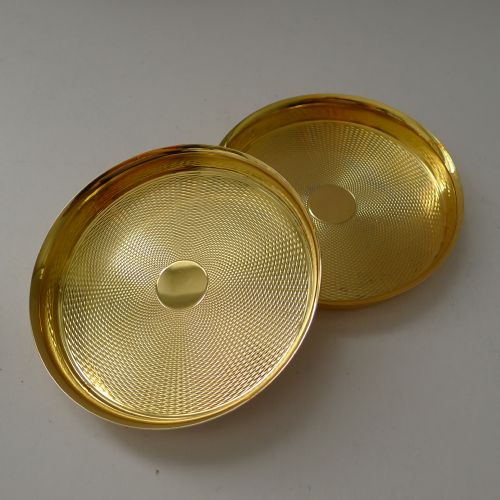
The pieces appearing here span the Georgian, Regency, and Victorian periods, with silver, mahogany wood, papier-mache, and brass forming the primary base materials. Most examples survive as pairs, reflecting the formal dining customs of the eighteenth and nineteenth centuries where bottles circulated between guests.
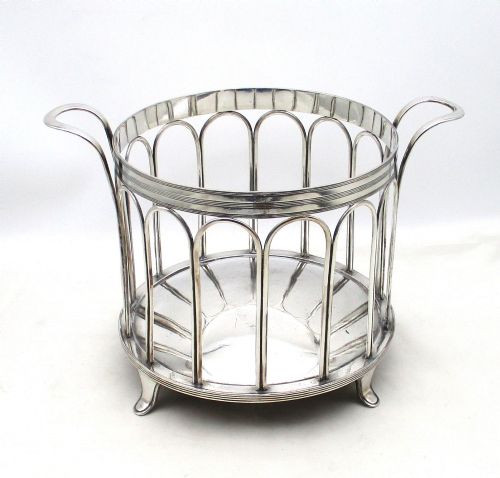
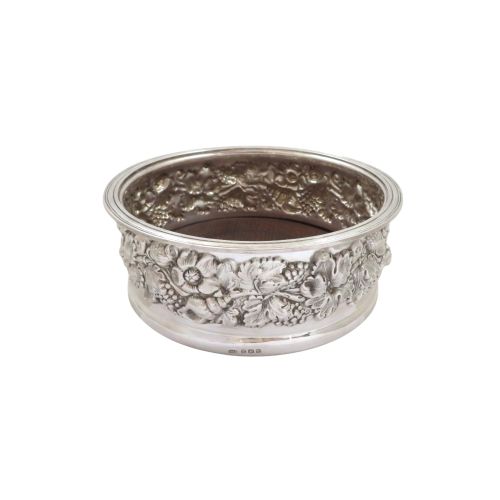
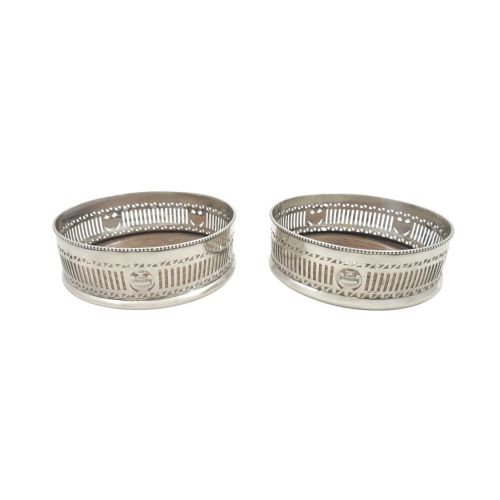
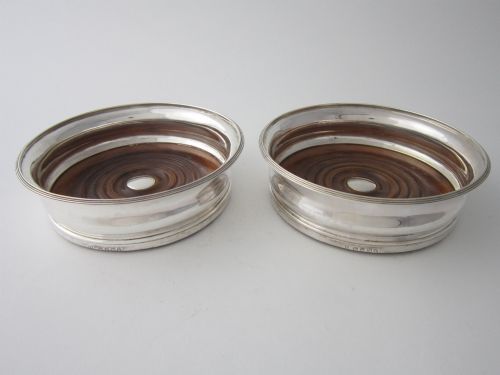
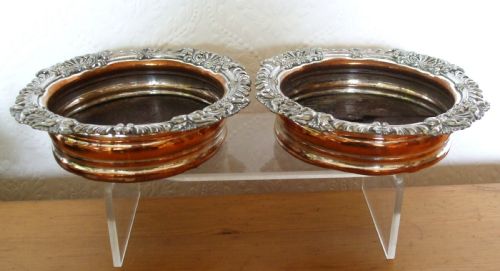
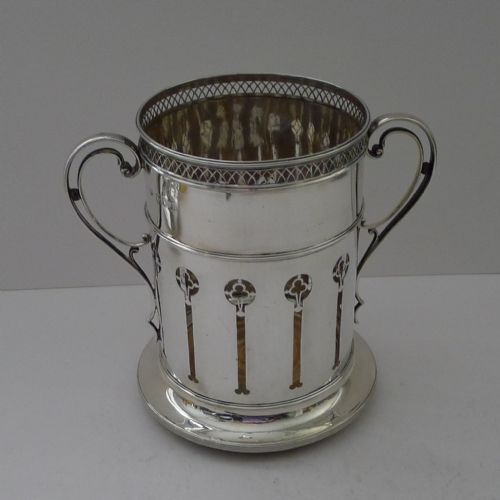
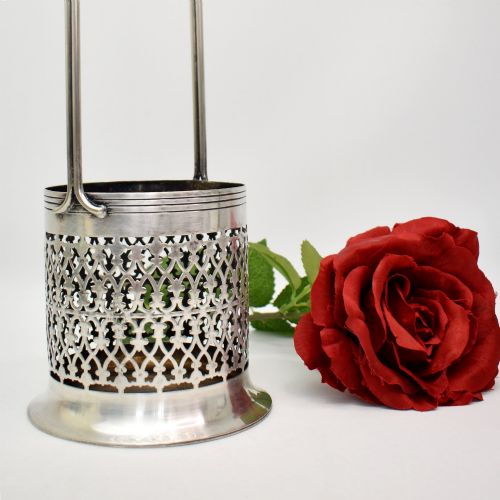
Forms range from solid sterling silver galleries to turned wood frames inset with metal, alongside pressed papier-mache and pierced silver plate. These wine coasters served both a practical domestic purpose and a decorative function on the dining table.
How They Were Made
Silversmiths utilised casting, piercing, and hammering techniques to shape sterling silver and silver plate into intricate galleries, often incorporating grape and vine motifs along the rims. Wooden bases turned from solid mahogany were fitted precisely into metal mounts, sometimes featuring inset wooden buttons at the centre.
Papier-mache examples were moulded and layered before receiving hand-painted or lacquered finishes to create durable, decorative bodies. Brass versions employed foundry casting and turning methods to produce geometric patterns such as the Greek key design.
Retail Price Guide 2026
Typical UK retail prices for bottle coasters, calculated from the Sellingantiques database of over a million retail prices indexed since 2003. This retail price guide relies exclusively on Sellingantiques data; no external sources or auction records are used, so the figures do not describe the wider market.
What Varies in Quality
Quality rests upon the crispness of the metalwork, the weight of the sterling silver or silver plate, and the integrity of the turned wooden base. Superior examples display sharply defined pierced decoration and substantial gauge metal that resists bending.
The method of joining the base to the gallery reveals the standard of manufacture, with tight, seamless fits distinguishing better workshops. Conservation of the original turned wood and interior felt lining also influences the integrity of the piece.
Mappin And Webb·Barnards·William Allen
The Antique Bottle Coasters Glossary
- Gallery
- The pierced or solid upright wall of a coaster that encircles the bottle. This decorative band prevents the decanter from sliding off the edge during transit.
- Silver Plate
- A thin layer of silver fused or electroplated onto a base metal such as copper or Britannia metal. This technique offered the visual appeal of solid silver at a lower cost.
- Papier-Mache
- A composite material made from paper pulp or layers of paper reinforced with glue, resin, and sometimes textile. It was moulded into shape and painted, providing a light yet robust alternative to wood or metal.
- Sheffield Plate
- An early form of silver plating produced by fusing a sheet of silver to a thicker copper ingot before rolling them together. This method results in a distinctive edge where the underlying copper becomes visible through wear.
- Georgian
- Relating to the period spanning the reigns of the four British monarchs named George from 1714 to 1830. Coasters from this era frequently employ solid sterling silver and classical design motifs.
Frequently Asked Questions
How were antique bottle coasters used?
Hosts placed wine bottles and decanters inside these stands to protect polished wood dining tables from moisture rings and drips. Guests then slid the coasters across the table to pass the wine during or after the meal.
This movement allowed circulation of the bottle without lifting heavy decanters repeatedly. The felt or wooden bases reduced friction on the surface.
What materials are antique coasters made from?
Makers constructed these pieces using sterling silver, silver plate, turned mahogany wood, brass, and papier-mache. Many examples combine wood bases with metal galleries.
Purchasers find silver-plated variants alongside solid silver Georgian pieces and lacquered papier-mache versions from the nineteenth century.
How do I tell Georgian coasters from Victorian ones?
Georgian pieces often feature solid sterling silver construction with classical Georgian proportions and restrained decoration. Maker marks from this era point to silversmiths operating before 1830.
Victorian examples frequently utilise silver plate, heavier piercing, and more ornate naturalistic motifs like grapes and vines. Production methods shifted during the nineteenth century towards electroplating.
Can I use antique coasters for modern wine bottles?
Most standard wine bottles and many modern decanters fit comfortably inside nineteenth-century dimensions. Measuring the interior diameter helps confirm compatibility with specific bottle shapes.
Some older wine bottle coasters accommodate standard bordeaux or burgundy formats, though very wide modern bottles may require careful checking.
How should I care for antique wood and silver coasters?
Wood surfaces benefit from occasional waxing with appropriate furniture polish to maintain the finish. Metal components require gentle cleaning with a soft cloth to avoid damaging silver plate.
Harsh chemical dips damage thin silver plating and antique wood finishes. Keeping the interior linings dry prevents moisture damage to the base.