


Silver Wine Coaster
A silver wine coaster protects polished dining surfaces while adding a gleam of polished metal beneath a decanter or bottle.

Silver Wine Coaster
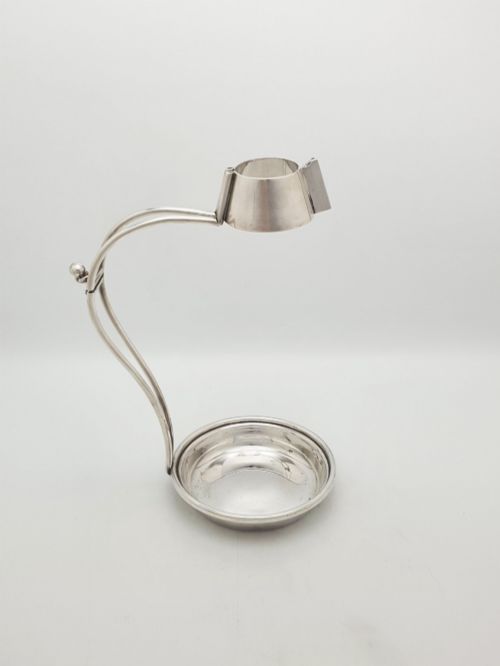
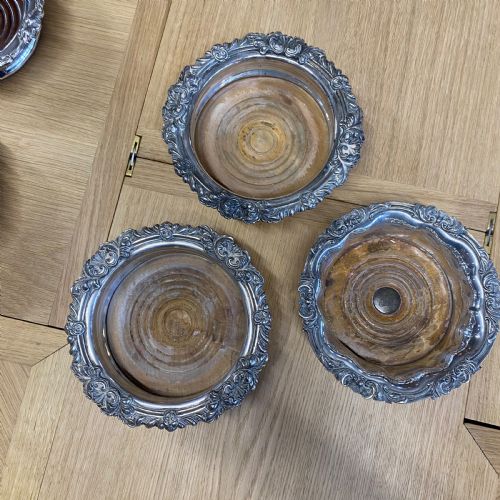
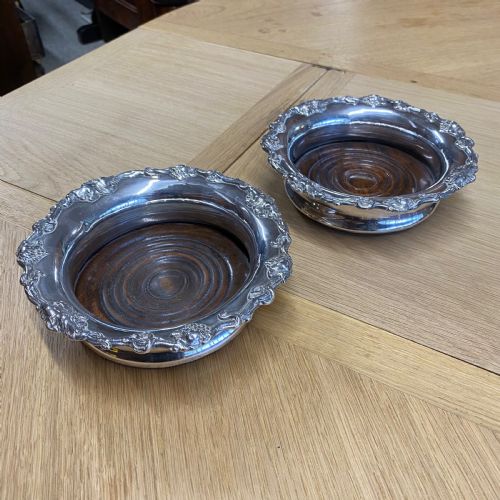
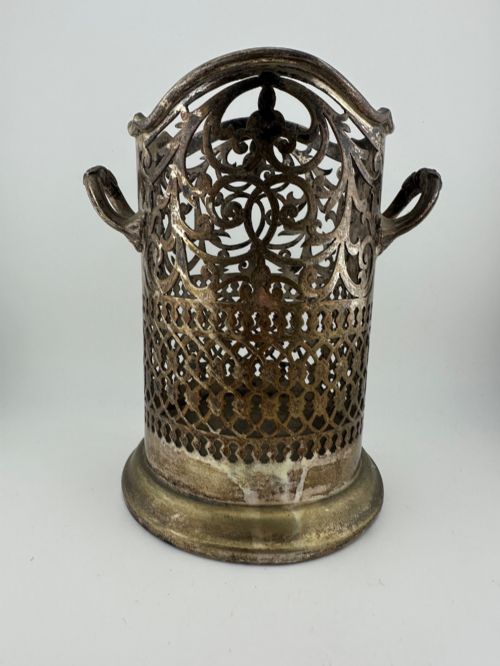
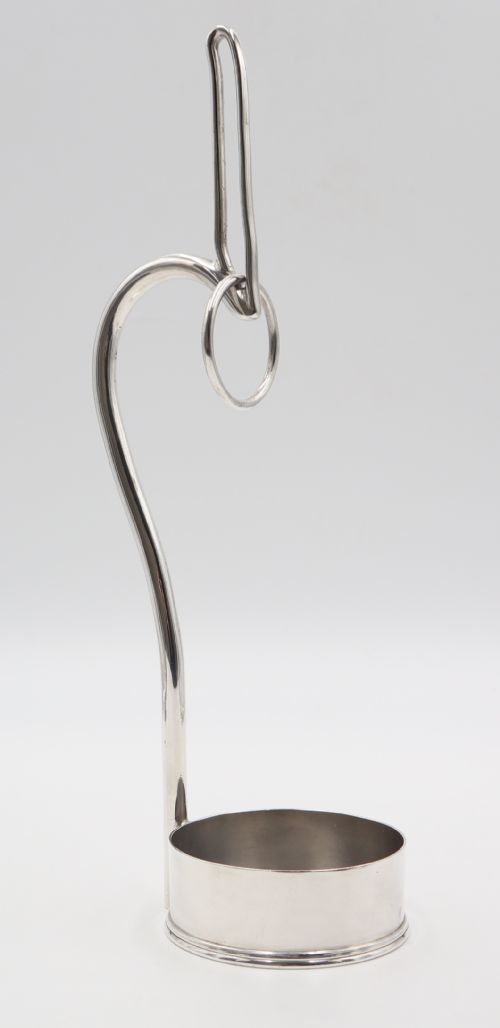
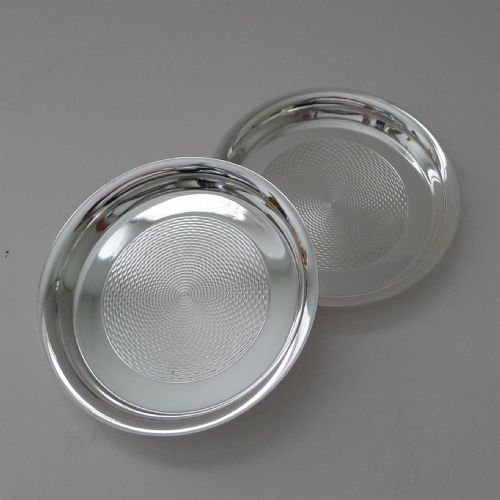
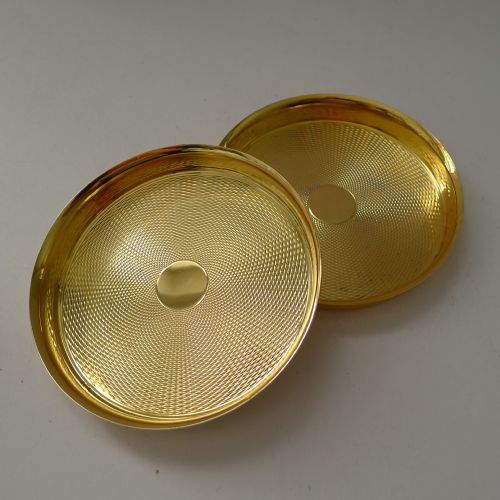
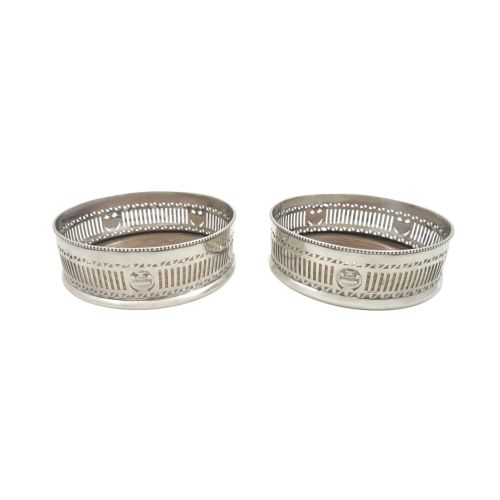
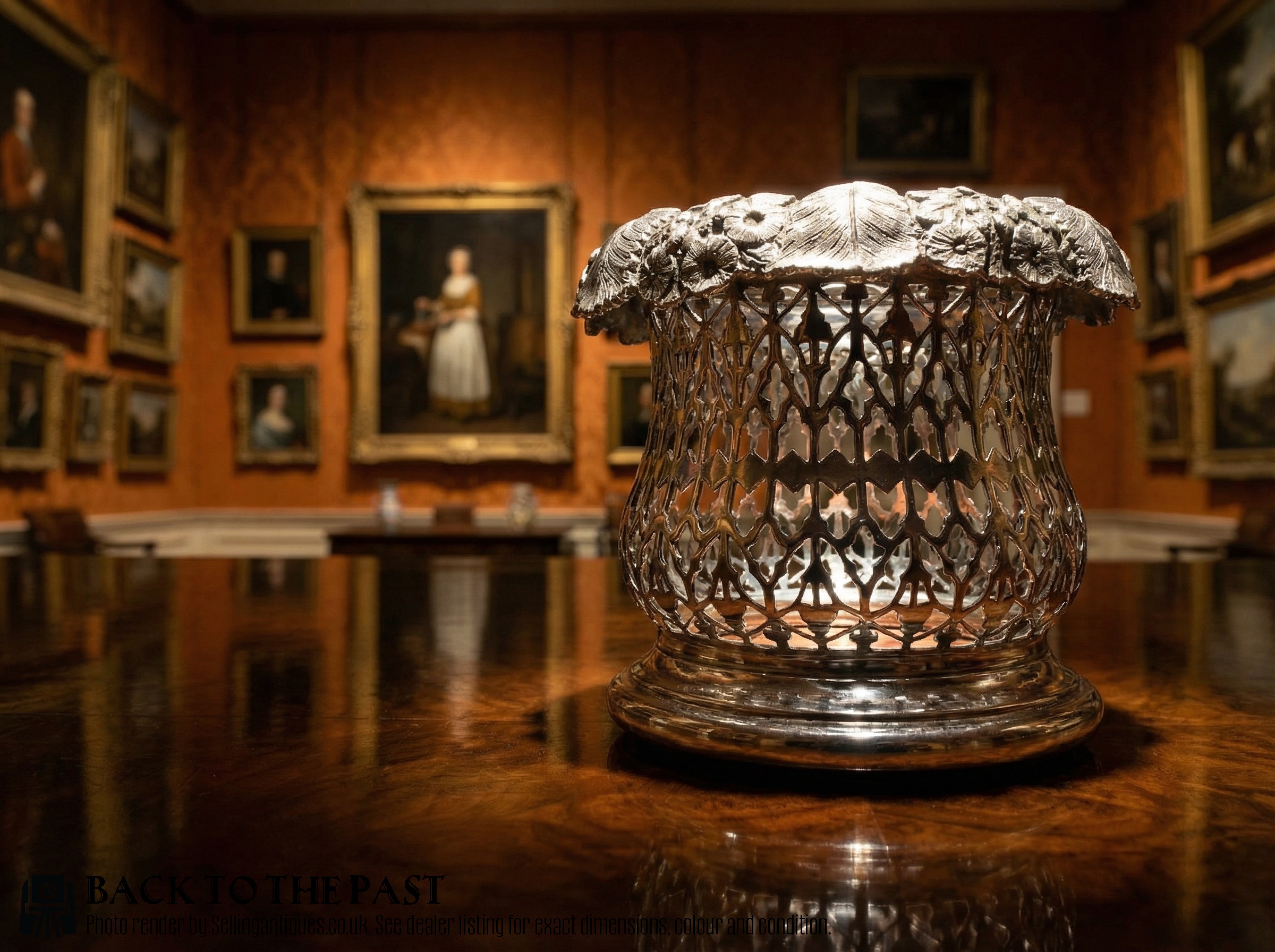
A silver wine coaster is a low, circular stand designed to hold a bottle or decanter, allowing it to slide smoothly across a mahogany dining table without scratching the wood. When collectors search for a silver wine coaster, they encounter forms ranging from simple spun metal bands to pierced galleries and wheeled bottle wagons.
The pieces appearing on this page stretch from the Georgian and Regency periods through the Victorian and Edwardian eras into the mid-twentieth century. Solid sterling silver examples sit alongside Old Sheffield Plate, silver plate, and combinations involving turned mahogany or oak bases.
Materials and Construction
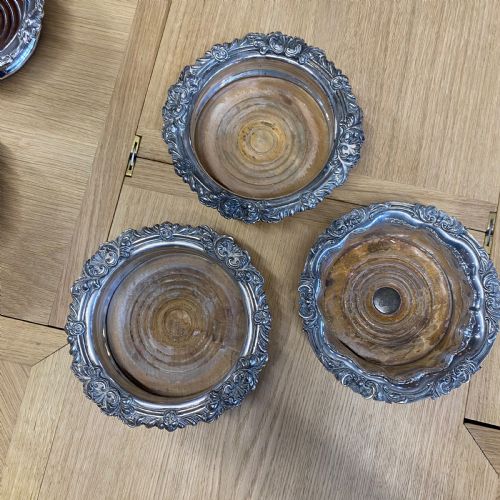
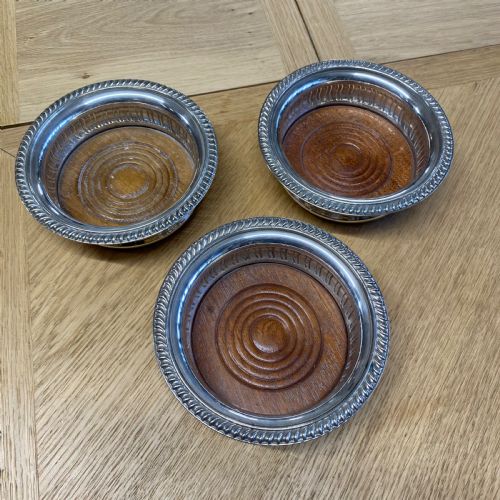
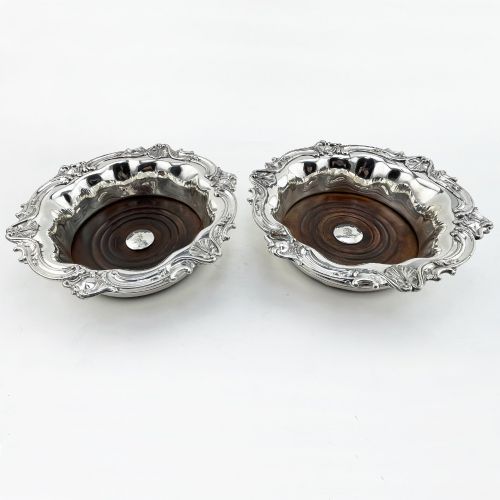
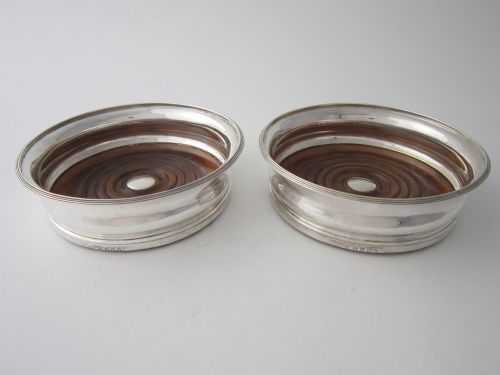
Makers constructed these pieces using solid sterling silver or fused Old Sheffield Plate, later shifting to electroplated nickel silver over copper or base metals. Many versions incorporate turned wooden inserts of mahogany or oak at the base, often fitted with a central silver button or escutcheon.
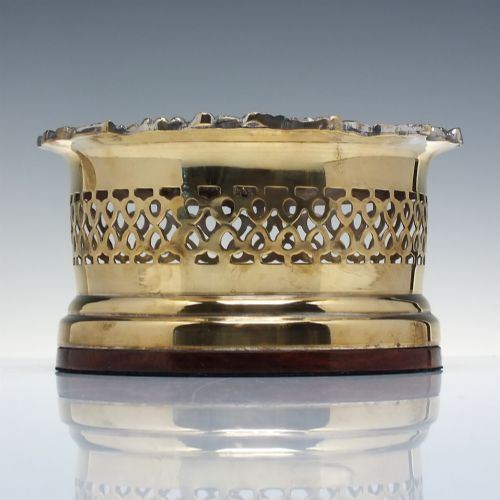
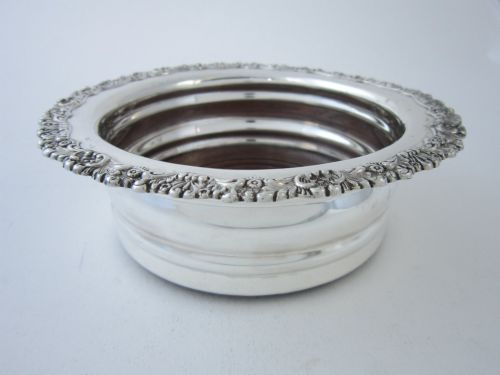
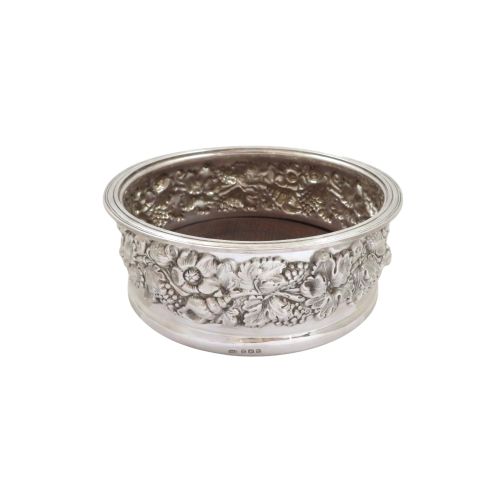
Techniques such as piercing, embossing, and cast openwork created intricate gallery walls decorated with grapevines, beadwork, or armorial crests. Bases were frequently lined with baize, felt, or leather to cushion the bottle and protect the table surface further.
Silver Wine Coaster Retail Price Guide 2026
Typical asking prices for silver wine coaster among the pieces listed under this phrase on Sellingantiques today, from the lower quarter to the upper quarter. They describe what is for sale here now, not the wider market.
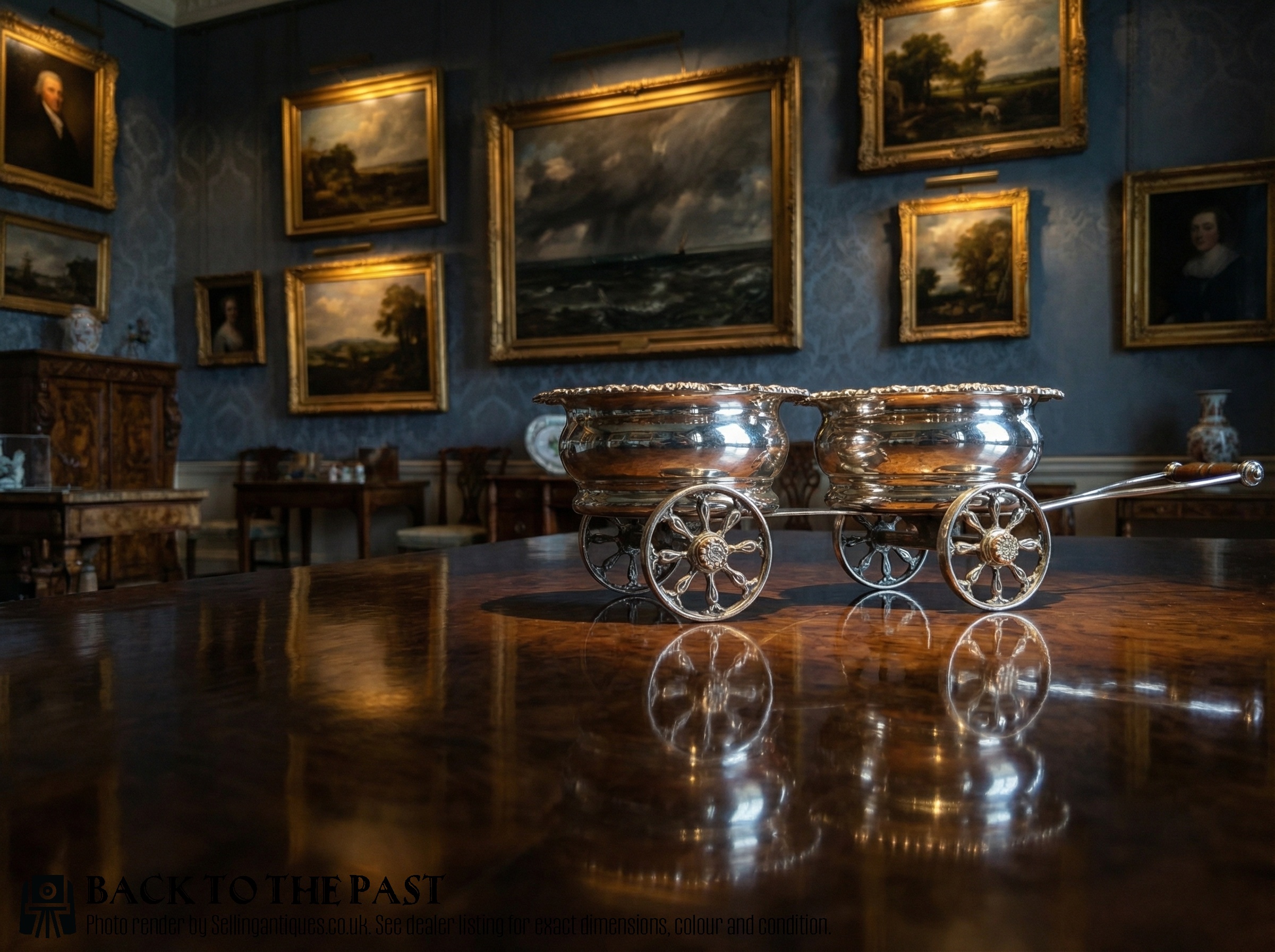
Some nineteenth-century hosts preferred triple drinks carts fitted with small wheels so the port could trundle across the mahogany with minimal effort.
Factors That Separate Examples
Quality rests heavily on the crispness of cast or pierced ornamentation, where sharp vine leaves and deep relief show the skill of the silversmith. Heavy gauge metal provides a reassuring weight in the hand, avoiding the flimsy feel of lighter stamped alternatives.
The integration of the wooden base and the condition of the silver plating or hallmarks also mark the division between standard production pieces and superior workshop output.
Hermes Paris·Brook and Son Edinburgh·Christofle·Rupert Favell and Co·Matthew Boulton·John and Thomas Settle·Barker-Ellis·Mappin and Webb·Roberts and Belk·Thomas Daniell·J Parkes and Co·Hawksworth Eyre and Co·D and J Welby
The Silver Wine Coaster Glossary
- Old Sheffield Plate
- A fused composite material made by melting a sheet of sterling silver to a thicker copper ingot before rolling them together into plates. This technique precedes modern electroplating and leaves a characteristic edge where the copper shows.
- Bottle Wagon
- A larger wheeled carriage or trolley designed to hold one or multiple decanters so they could travel smoothly around a dining table. These multi-bottle frames often incorporate handles or rails.
- Vermeil
- Sterling silver that has been heavily coated or gilded with a layer of fine gold. This finish gives a warm, golden sheen to the interior or exterior of the metal.
- Base Insert
- The flat circular lining made of turned wood, leather, or cloth fitted into the bottom of the frame. It receives the weight of the wine bottle.
Silver Wine Coaster: Frequently Asked Questions
What is a silver wine coaster used for?
These pieces were placed on dining tables to hold wine bottles and decanters, catching condensation and preventing sticky rings from forming on polished wood.
They also allowed diners to slide bottles smoothly between guests during post-meal conversation without lifting heavy glass decanters.
How do I tell Old Sheffield Plate from silver plate?
Old Sheffield Plate was made by fusing silver to copper, which often reveals a thin sliver of reddish copper showing along exposed rims or wear points.
Later silver plate, introduced around the middle of the nineteenth century, uses an electrical process that deposits silver over a white metal base like nickel brass.
Why do some coasters have wooden bases?
Turned mahogany and oak inserts provided a sturdy, flat foundation that kept heavy glass bottles stable while protecting the delicate silver floor from direct impact.
Many of these wooden bases feature a small silver stud or button in the centre, which often bears a maker mark or family crest.
Can I use antique coasters for modern bottles?
Most standard antique coasters accommodate traditional wine bottles and standard decanters comfortably.
Larger magnum bottles or modern champagne shapes require specific magnum-sized coasters, which appear frequently in nineteenth-century and twentieth-century designs.