


Antique Wine Coasters
These antique wine coasters protect polished dining tables while keeping bottles within reach.

Antique Wine Coasters
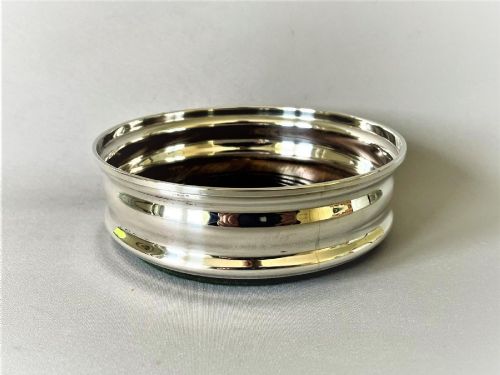
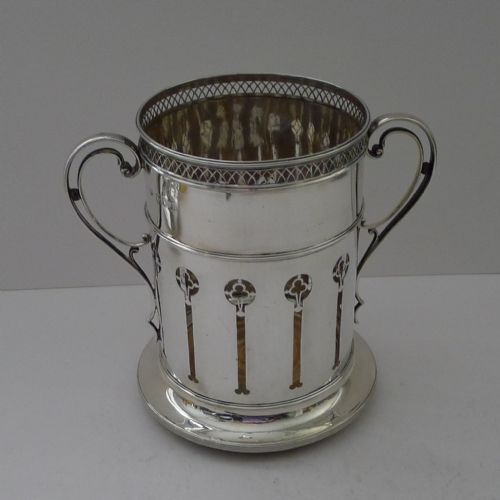
Antique wine coasters serve to cradle bottles and decanters on the dining table, protecting polished wood from spills and condensation. Buyers searching this phrase encounter circular trays and stands spanning the Georgian, Regency, Victorian and Edwardian periods.
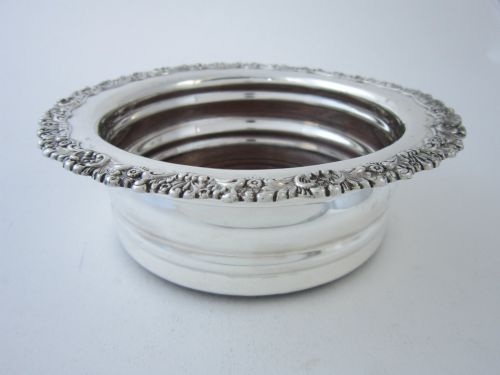
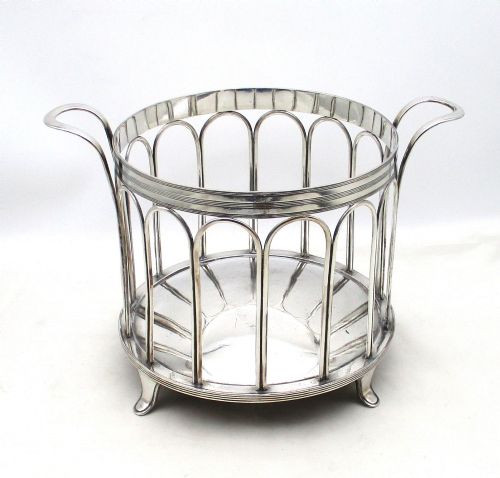
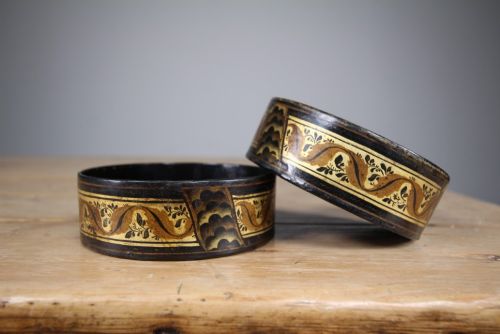
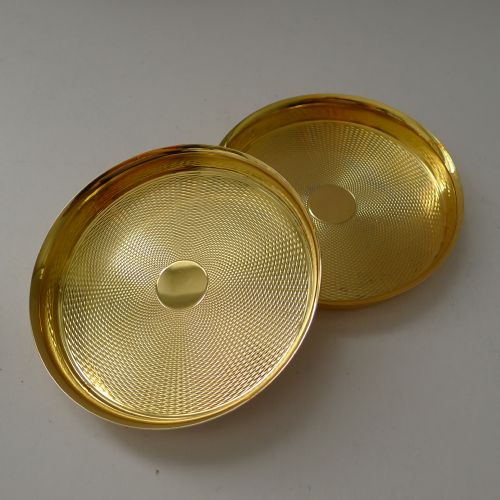
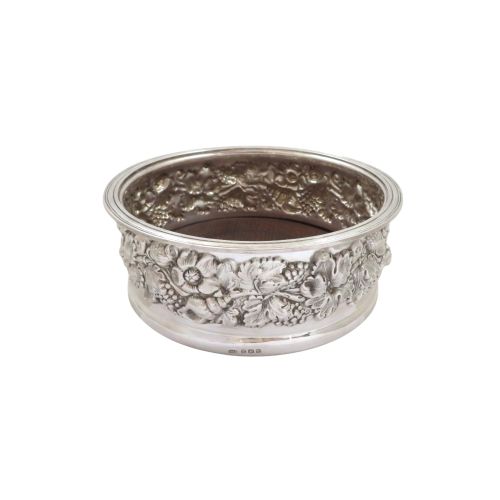
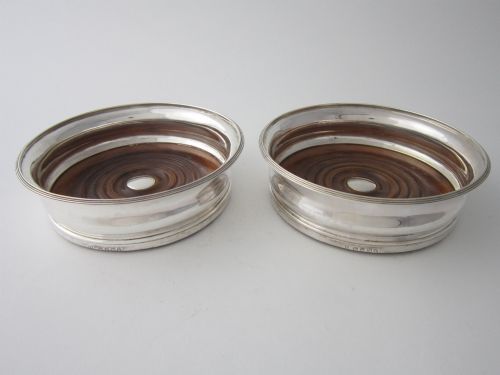
The most common forms on this page include silver-plated or sterling silver galleries paired with turned wooden bases, alongside examples fashioned entirely from metals like brass and Old Sheffield Plate, or non-metallic materials such as papier-mâché and treen.

How they were made
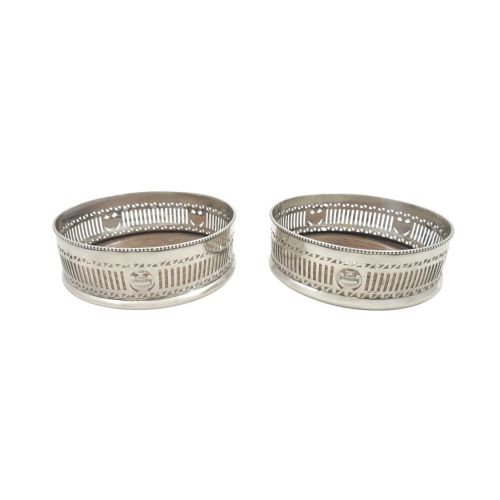
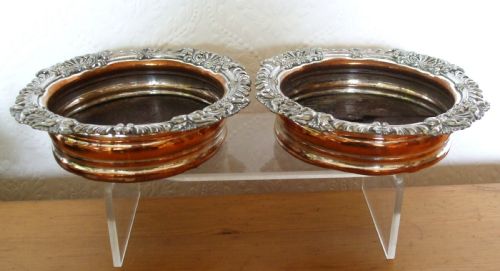
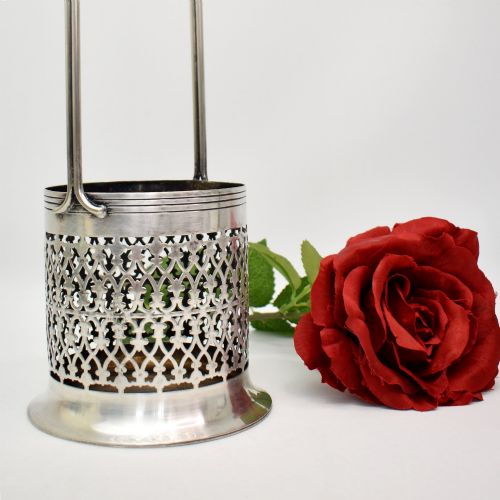
Makers utilised sterling silver and silver plate, often employing piercing techniques to create decorative galleries with trellis, floral or grape motifs. Old Sheffield Plate appears frequently, fusing a thin layer of silver onto a copper base.
Wooden elements incorporate dense timbers such as mahogany and rosewood, frequently featuring turned profiles, inlaid decoration or central bosses designed to hold a decanter securely in place.
Antique Wine Coasters Retail Price Guide 2026
Typical asking prices for wine coasters among the pieces listed under this phrase on Sellingantiques today, from the lower quarter to the upper quarter. They describe what is for sale here now, not the wider market.
Listings feature silver plate, sterling silver, mahogany, papier-mâché and brass across Georgian, Victorian and Edwardian periods.
What varies in quality
Quality rests upon the crispness of the metalwork, the weight of the silver or plate, and the integrity of the base materials. Pierced galleries executed with sharp, clean cutouts distinguish finer examples from simpler stamped designs.
The connection between the rim and the base indicates structural care, where tight joints and substantial timber or heavy metal plating denote superior workshop standards.

Brook and Son Edinburgh·Christofle France·Matthew Boulton·Mappin and Webb·John and Thomas Settle·Barnards·Henry Waterhouse
The Antique Wine Coasters Glossary
- Old Sheffield Plate
- An early fusing technique where a sheet of silver is melted onto a copper ingot before rolling. This method leaves a characteristic thin copper seam visible along cut edges.
- Gallery
- The upright pierced or solid perimeter wall of the coaster designed to keep the bottle upright. Pierced galleries frequently display delicate geometric or botanical fretwork.
- Treen
- Small handmade wooden domestic objects turned on a lathe. In wine coasters, this term describes the turned wooden bases that receive the bottle.
- Vermeil
- Sterling silver coated with a layer of gold. This finish provides a warm golden lustre to the interior or exterior of the metal vessel.
Antique Wine Coasters: Frequently Asked Questions
What is the purpose of a wine coaster?
These vessels hold wine bottles and decanters securely during dining. They prevent moisture rings and drips from marking polished mahogany and walnut tables.
Passed around the table after the meal, they allow guests to serve themselves easily. The raised sides keep the bottle stable while it travels between diners.
How do I date an antique wine coaster?
Dating relies upon hallmarks on silver examples, combined with stylistic cues in the woodwork and metal galleries. Georgian and Regency pieces often feature heavy silver mounts and turned mahogany bases.
Later Victorian and Edwardian iterations introduce machine-stamped piercing and heavier silver plating. Examining the construction methods underneath usually reveals the period of manufacture.
What is Old Sheffield Plate?
Old Sheffield Plate is an early composite material created by fusing silver to a copper core. Craftsmen rolled the combined metals into thin sheets before shaping them into coaster galleries.
Under magnification or along raw edges, a faint line of reddish copper often appears. This technique predates modern electroplating.
Can I use antique coasters for modern bottles?
Most historical coasters accommodate standard wine and champagne bottles comfortably. However, unusually wide modern magnum bottles or heavy-bottomed decanters may require larger Georgian or Victorian examples.
Checking the internal diameter of the gallery ensures a proper fit for contemporary glassware.