


Edwardian Silver Wine Coasters
Edwardian silver wine coasters are elegant table accessories designed to protect dining surfaces, combining practical utility with period charm.

Edwardian Silver Wine Coasters
Edwardian silver wine coasters serve as sophisticated bottle holders for the dining table, encompassing both single-bottle vessels and larger multi-bottle formats. When searching for Edwardian silver wine coasters, buyers encounter items produced during the early twentieth century alongside pieces spanning the Victorian period, George V years, and the 1920s.
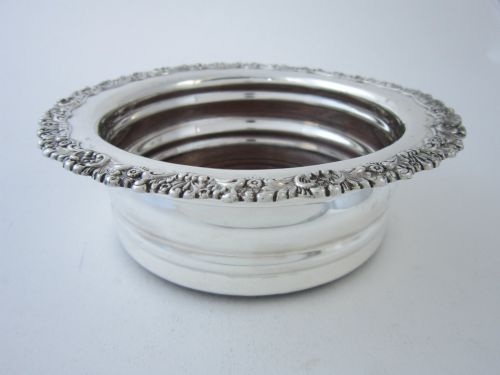
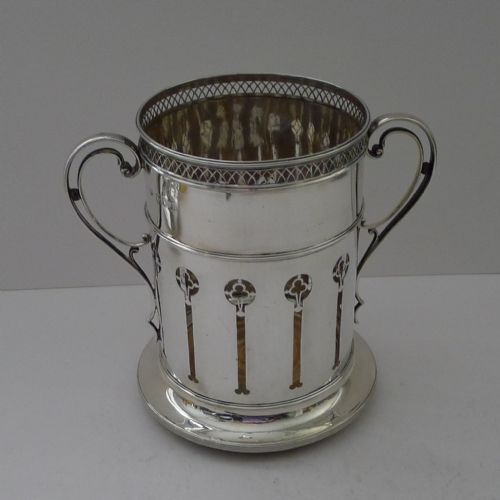
The inventory demonstrates a strong representation of Edwardian and silver-plated examples, frequently accompanied by wooden bases or felt linings. Forms range from standard wine coasters and champagne holders to fruit bowls and multi-bottle carriers originating from English workshops.

Materials and construction
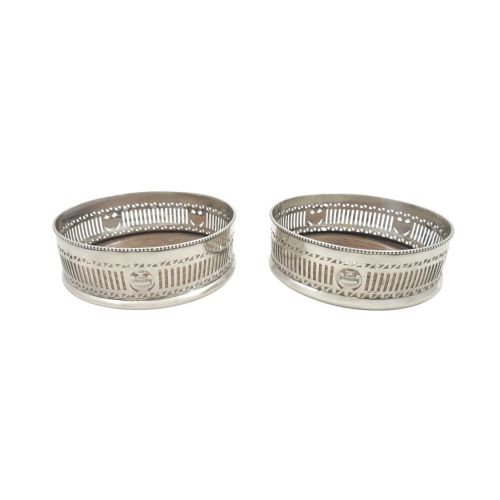
Makers utilised sterling silver and silver plate combined with turned mahogany bases and interior felt pads to protect bottle bases. Metalworking techniques allowed for decorative pierced rims, solid cast borders, and sturdy wooden inserts secured by central screws.
Silver plating on base metals provided an accessible alternative to solid sterling silver while retaining the bright reflective finish demanded by period dining rooms.
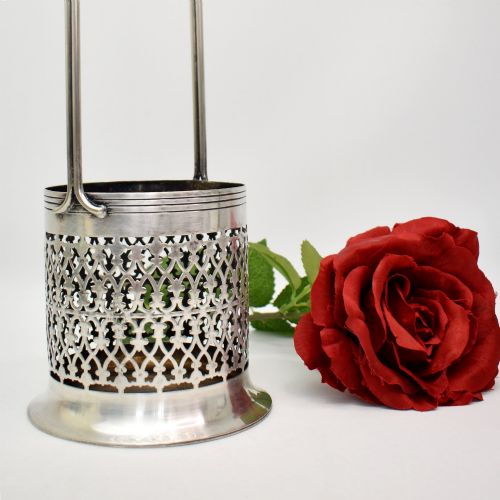
Some multi-bottle coasters double as portable planters, proving Edwardian hosts were ready to pivot from claret to ferns at a moment's notice.
Distinguishing quality factors
Quality varies between solid sterling silver pieces and silver-plated examples, with maker attribution adding distinct commercial value. The weight of the metal, the crispness of decorative chasing or piercing, and the condition of the fitted mahogany base separate superior examples from standard production.
Matched pairs command greater interest than single items, and the preservation of original felt lining beneath the wooden base indicates careful ownership.
Brook and Son Edinburgh·Christofle·Asprey
The Edwardian Silver Wine Coasters Glossary
- Wine Coaster
- A small portable tray or dish designed to hold a wine bottle and protect the table from drips. They often feature raised sides and a lined base.
- Silver Plate
- A layer of silver fused to a base metal such as copper or nickel silver. This technique offered the appearance of solid silver at a lower cost.
- Sterling Silver
- An alloy consisting of ninety-two point five percent silver and seven point five percent other metals, usually copper. It provides durability while maintaining a high purity standard.
- Mahogany
- A durable tropical hardwood with a reddish-brown colour used extensively for the turned wooden bases of bottle coasters.
- Art Nouveau
- An international style of art and architecture prevalent in the late nineteenth and early twentieth centuries, characterised by flowing organic lines.
Edwardian Silver Wine Coasters: Frequently Asked Questions
How are wine coasters used?
Wine coasters sit on the dining table to hold bottles of wine or champagne during a meal. They catch condensation and drips, preventing marks on polished wood surfaces.
Guests can also slide the coaster smoothly across the table to pass the bottle to the next person.
What is the difference between sterling and plate?
Sterling silver contains a high, regulated purity of silver throughout the entire object. Silver plate applies a thin coating of silver over a base metal like copper or nickel.
Hallmarks usually help distinguish solid silver items from plated equivalents.
How do I clean silver coasters?
Clean silver and silver-plated coasters using a soft cloth and a reputable silver polish formulated to remove tarnish gently. Avoid harsh abrasive materials that can scratch the metal surface.
Keep wooden bases dry and protect the felt underside from excessive moisture during cleaning.
Are pairs more valuable than singles?
Matched pairs generally attract higher interest from collectors because dining traditions historically favoured symmetrical table arrangements. Single coasters remain practical for everyday use.
Finding an original pair from the same maker and period is less common than finding individual pieces.