




Turned Wood Bottle Coaster
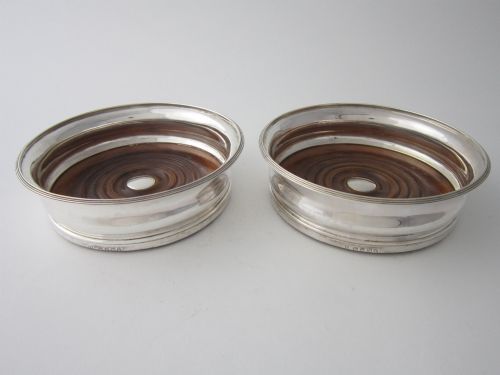
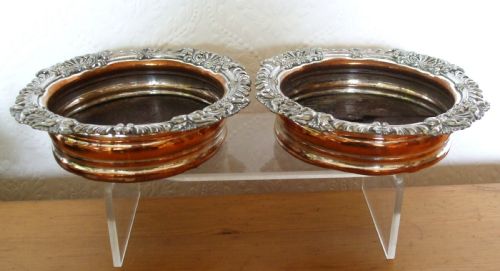
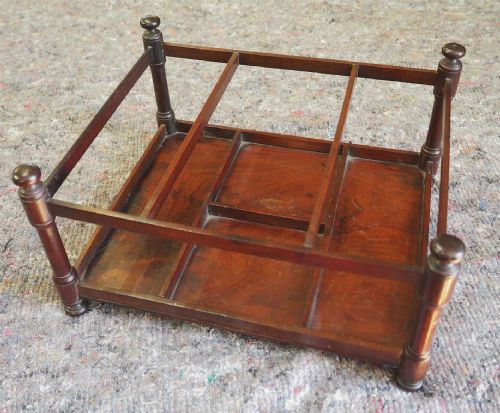
These turned wood bottle coaster examples are traditional table accessories designed to protect surfaces from condensation, appearing here in various historical styles.
Turned Wood Bottle Coaster
When you search for a turned wood bottle coaster, you are looking for functional tableware designed to hold wine bottles and decanters securely. The selection on this page centres on items from the Georgian, Regency, Victorian, and William IV periods, alongside nineteenth-century pieces.
Most examples function as wine coasters, barware, or decanter stands. They originate from British traditions, often combining turned timber frames with metal mounts or central buttons.
How they were made
Cabinet makers utilised dense hardwoods such as mahogany and rosewood, turning the timber on a lathe to create circular profiles with raised edges. Many pieces incorporate metal elements like silver, silver plate, Old Sheffield plate, or copper.
Makers integrated turned wooden bases with fitted metal rims or central bosses using traditional joinery and fixing methods appropriate to the period.
Listings feature mahogany and rosewood alongside silver, copper, and Old Sheffield plate from the Georgian and Victorian periods.
What varies in quality
The standard of timber selection and the precision of the lathe work define the better examples. Crispness in the turned mouldings and the integration of any metal mounts distinguish finer production from simpler utility pieces.
Proportion and weight also dictate quality, where substantial wooden turning combined with well-preserved metalwork commands greater appreciation among collectors.
Matthew Boulton·Mein of Kelso
The Turned Wood Bottle Coaster Glossary
- Turned wood
- Timber shaped on a lathe by rotating it against cutting tools. This method creates symmetrical circular forms and decorative mouldings.
- Old Sheffield plate
- A composite material made by fusing a thin sheet of silver to a thicker copper base. It is typical of Georgian and nineteenth-century tableware.
- Decanter stand
- An alternative term for a bottle coaster designed to hold spirit or wine decanters. These protect dining tables from drips and rings.
- George III
- A design period spanning the late eighteenth and early nineteenth centuries. Pieces from this era often display classical restraint and fine proportions.
Turned Wood Bottle Coaster: Frequently Asked Questions
What is a turned wood bottle coaster?
A turned wood bottle coaster is a circular table accessory shaped on a lathe to hold wine bottles and decanters. They protect polished dining surfaces from moisture and spills.
These items appear in various historical timber types and often feature metallic inserts or central bosses.
How were they used?
Hosts placed wine bottles and decanters inside these stands during formal dinners. Guests could then slide the coasters across the table to pass the wine.
The raised wooden or metal edges kept the bottles secure while the base absorbed condensation from chilled vessels.
How do I date these pieces?
Dating relies on identifying the timber species, the turning style, and any accompanying metal components. Georgian and Regency pieces display different aesthetic proportions compared to later Victorian examples.
Examining construction methods and secondary materials provides further clues to the manufacturing decade.
Are all coasters made entirely of wood?
Many examples combine turned timber bodies with contrasting metal elements such as silver, copper, or Old Sheffield plate. Some feature metal rims or central buttons.
This hybrid construction was common in British barware during the eighteenth and nineteenth centuries.