

Mid Century Silver
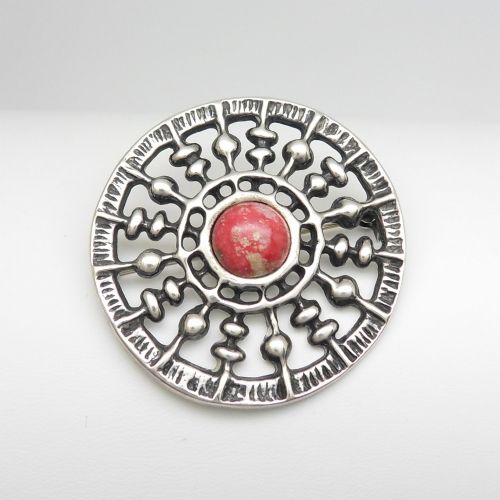
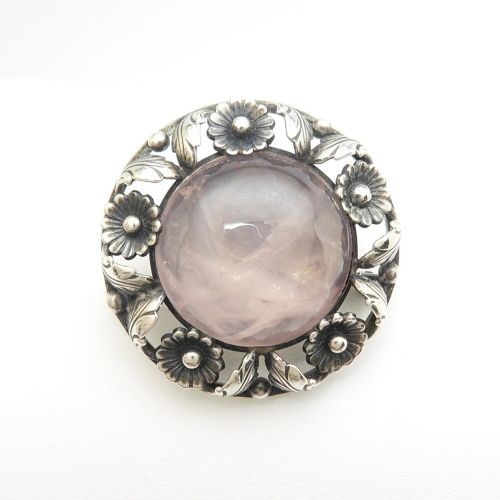
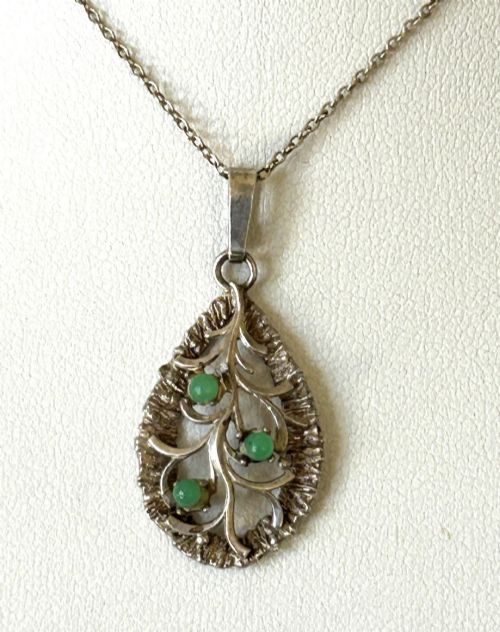
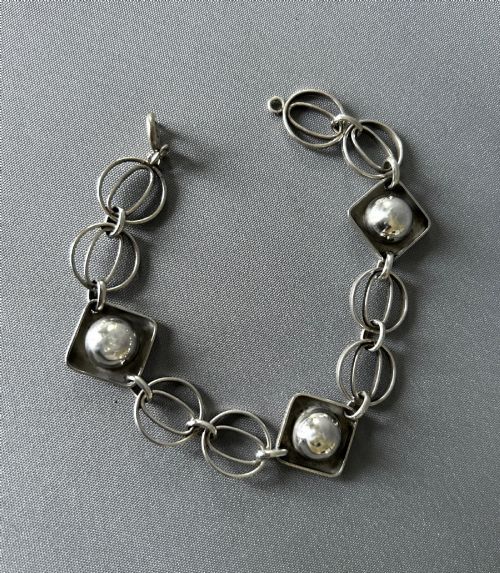
Mid century silver encompasses everything from Scandinavian enamel brooches to modernist tableware crafted during the 1940s, 1950s and 1960s.
Mid Century Silver
Mid century silver covers a diverse range of decorative objects, barware, personal accessories and jewellery produced primarily between the 1940s and the 1960s. These pieces reflect the functional yet artistic design shifts of the mid-twentieth century, moving away from heavy historicism toward cleaner, more sculptural forms.
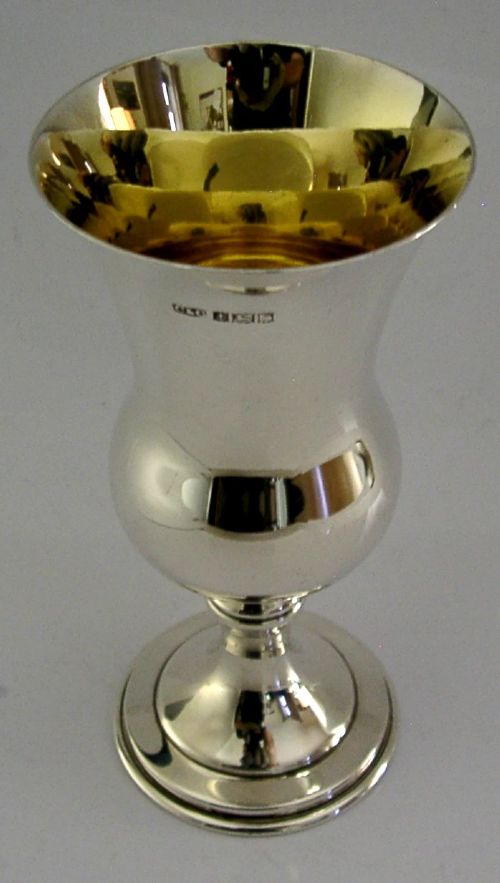
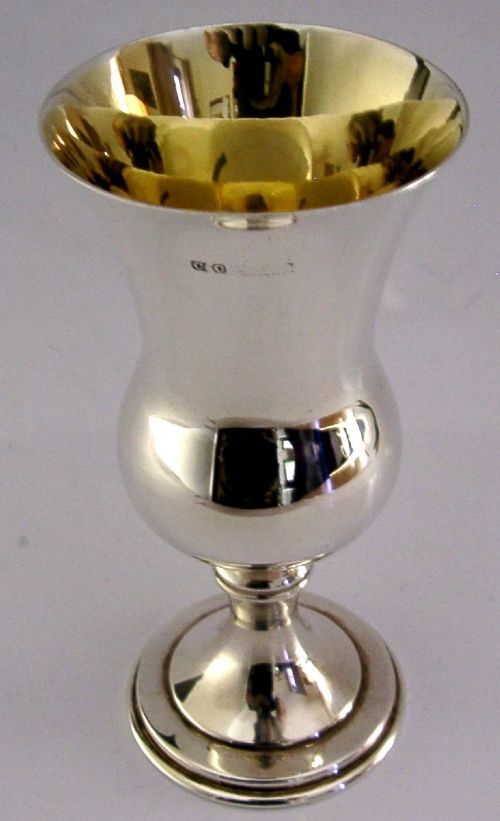
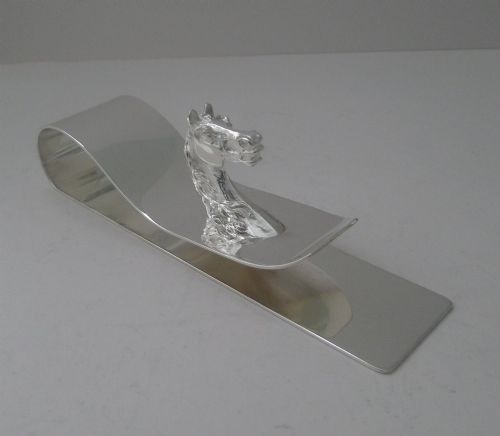
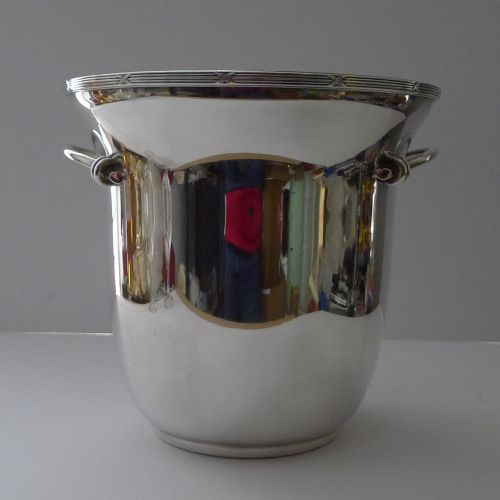
The objects available include hollowware such as goblets, bowls, and quaich cups, alongside smaller items like caddy spoons, cocktail sticks, desk accessories, and novelty animal figures. Jewellery forms such as brooches, rings, and earrings frequently feature alongside functional domestic items.
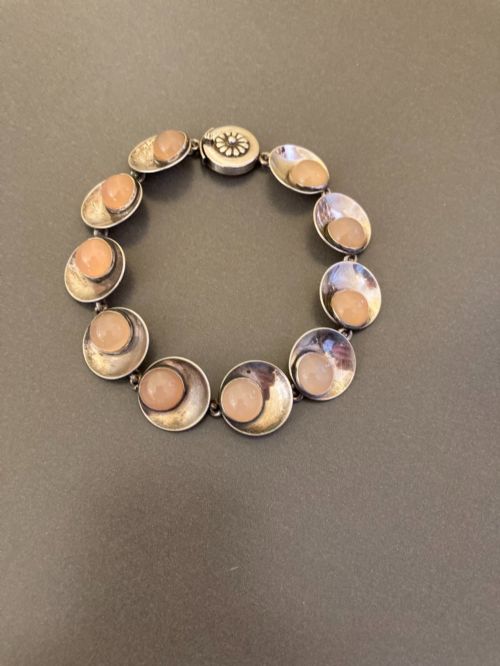
Scandinavian and British modernist workshops dominate the selection, often pairing solid sterling silver with vibrant enamel work or regional gemstones. Pieces range from minimal geometric tableware to intricate guilloche enamel floral motifs and novelty silver creations.
How They Were Made
Makers utilised sterling silver and solid silver alongside silver plate, often combining these metal foundations with glass, stainless steel, leather, and vitreous enamel. Planishing marks and hand-beaten textures appear frequently on bowls and jugs, showing direct hammer work by the silversmith.
Enamelling techniques, particularly guilloche and translucent coloured enamel over engine-turned metal, provide the vivid hues seen on Norwegian and British brooches and spoons. Casting and soldering built more complex novelty items, such as animal figures, miniature boats, and specialised barware components.
Mid Century Silver Retail Price Guide 2026
Typical asking prices for mid century silver among the pieces listed under this phrase on Sellingantiques today, from the lower quarter to the upper quarter. They describe what is for sale here now, not the wider market.
Listings feature numerous Scandinavian and British designs spanning the 1940s to the 1960s, incorporating enamel, glass, and abalone shell.
What Varies In Quality
Quality rests on the weight of the silver used, the precision of the construction, and the reputation of the designer or workshop. Heavier gauge metalwork and solid construction distinguish substantial vessels from lighter plated counterparts.
R E Stone·Geoffrey Bellam·Aksel Holmsen·A H Darby And Son·David Andersen·Henry Clifford Davis·Hans Vilhelm Hansen·Chatterley And Son·Richard Comyns·Rose And Son·Ottaviani·Georg Jensen·Arne Johansen·Philippe Berthier·Smith Sissons·Burns Oats And Washbourne·Montilier·P H Vogel·Mappin Bros
The Mid Century Silver Glossary
- Sterling silver
- An alloy containing 92.5 percent silver by weight, providing the standard purity for British and American decorative silver objects. This composition balances durability with the bright lustre expected in quality tableware.
- Guilloche enamel
- A decorative technique where intricate geometric patterns are mechanically engraved into metal beneath a transparent layer of enamel. This process creates a shimmering, light-reflecting depth across brooches and spoons.
- Planished
- A metal surface finish achieved by hammering with a polished tool, leaving controlled facets across the silver. This technique hardens the metal while producing a distinctive textured sheen on bowls and jugs.
- Silver plate
- A base metal substrate coated with a thin layer of silver through electroplating or older fusing methods like Old Sheffield plating. It offered an accessible alternative to solid silver for larger trays and tea services.
Mid Century Silver: Frequently Asked Questions
What is mid century silver?
Mid century silver refers to tableware, cutlery, jewellery, and decorative objects made from the 1940s through the 1960s. These items embrace modernist, Scandinavian, and Arts and Crafts design principles.
They reflect a period of transition toward cleaner lines and novel materials like enamel, glass, and stainless steel.
How do I clean silver enamel pieces?
Enamelled silver pieces require gentle care to protect the glass coating from scratching or chemical damage. Warm water and mild soap applied with a soft cloth work best for cleaning.
Avoid abrasive polishes, ultrasonic cleaners, and prolonged soaking, which can weaken the settings around the enamel.
Are these items made of solid silver?
The inventory includes both solid sterling silver and silver-plated items, alongside pieces featuring mixed media. Hallmarks and maker stamps help identify solid silver purity and origin.
Listings specify whether an object is sterling silver, silver plate, or executed in specific continental silver standards.
How do I identify a mid century hallmark?
British hallmarks include standard marks for purity, assay office symbols, and date letters that pinpoint the exact year of production. Mid-century pieces often feature specific letter cycles indicating the 1940s, 1950s, or 1960s.
Continental and Scandinavian pieces frequently carry maker monograms and purity numbers instead of traditional town marks.
How should I display barware and hollowware?
Mid century barware and hollowware look striking grouped on sideboards, drinks trolleys, or open shelving. Using these functional objects in modern settings highlights their sculptural qualities.
Regular handling and gentle polishing prevent tarnish buildup while keeping the silver integrated into daily living spaces.