


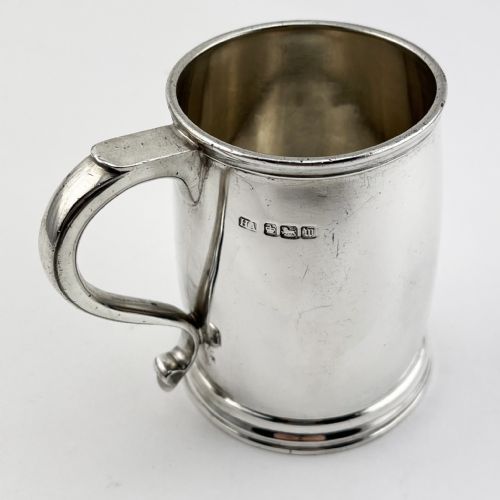


Sheffield Hallmarked Silver
Sheffield hallmarked silver carries the weight of history in its stamped town mark, offering enduring craftsmanship across tea services, mugs, and spoons.
Forms and periods
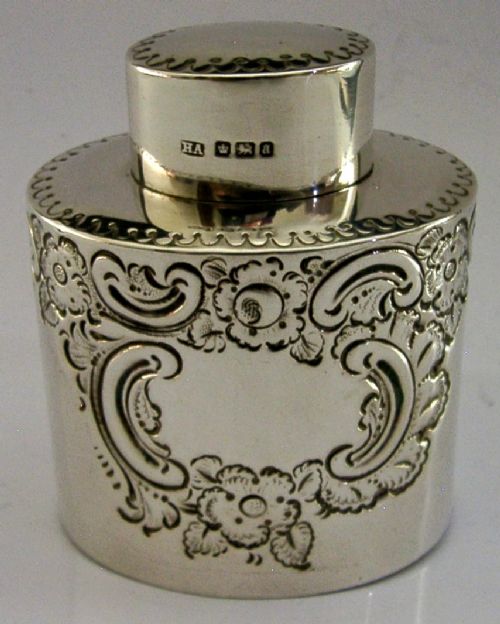
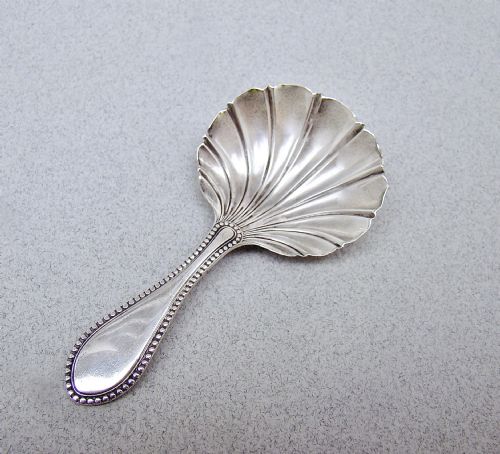
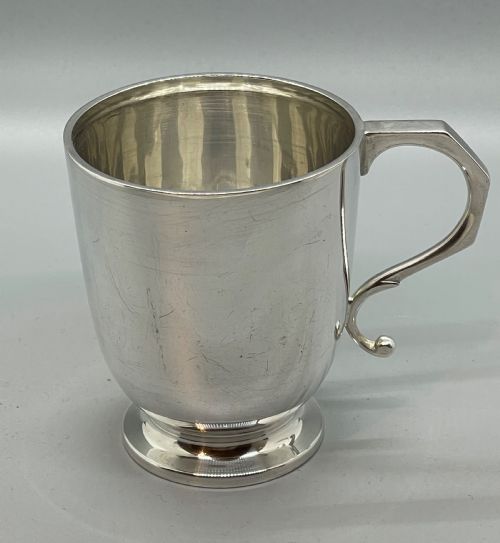
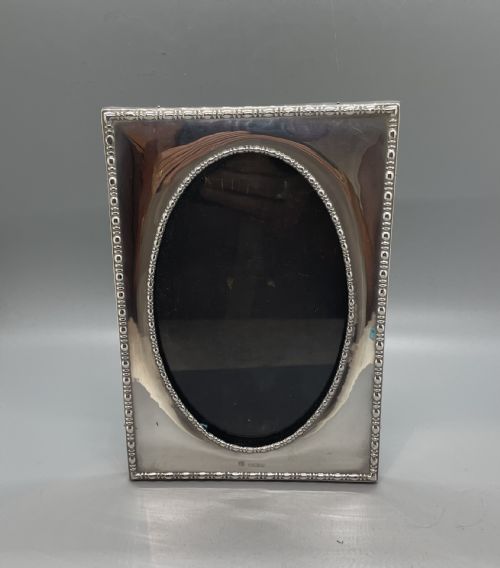
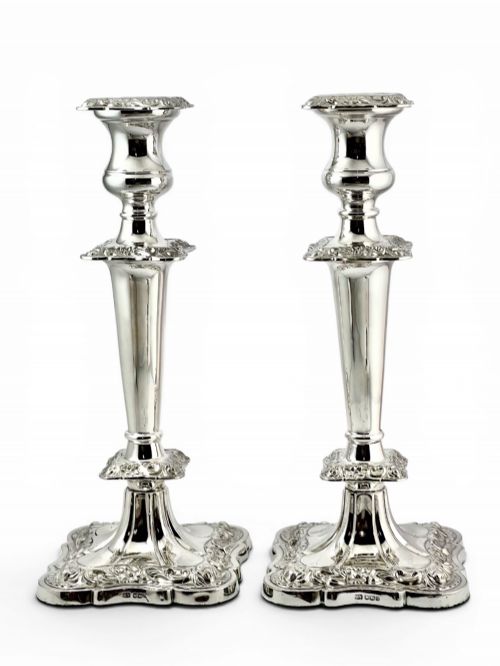
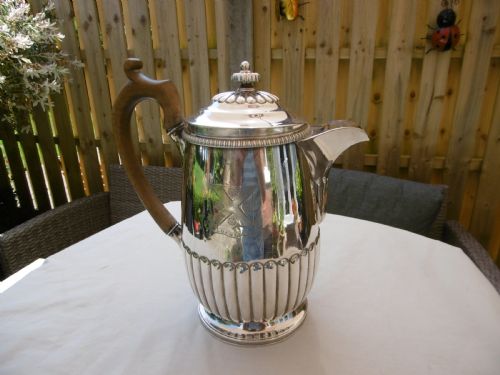
When you search for sheffield hallmarked silver, you encounter domestic items spanning the Victorian era through the mid-twentieth century. The selection typically ranges from tea and coffee sets, mugs, and tankards to specialised cutlery and small dishes.
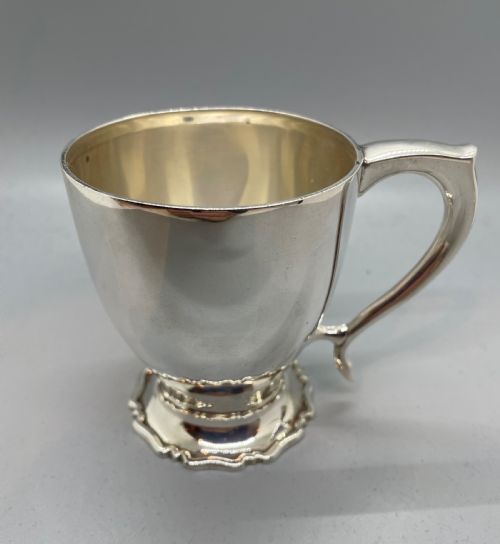
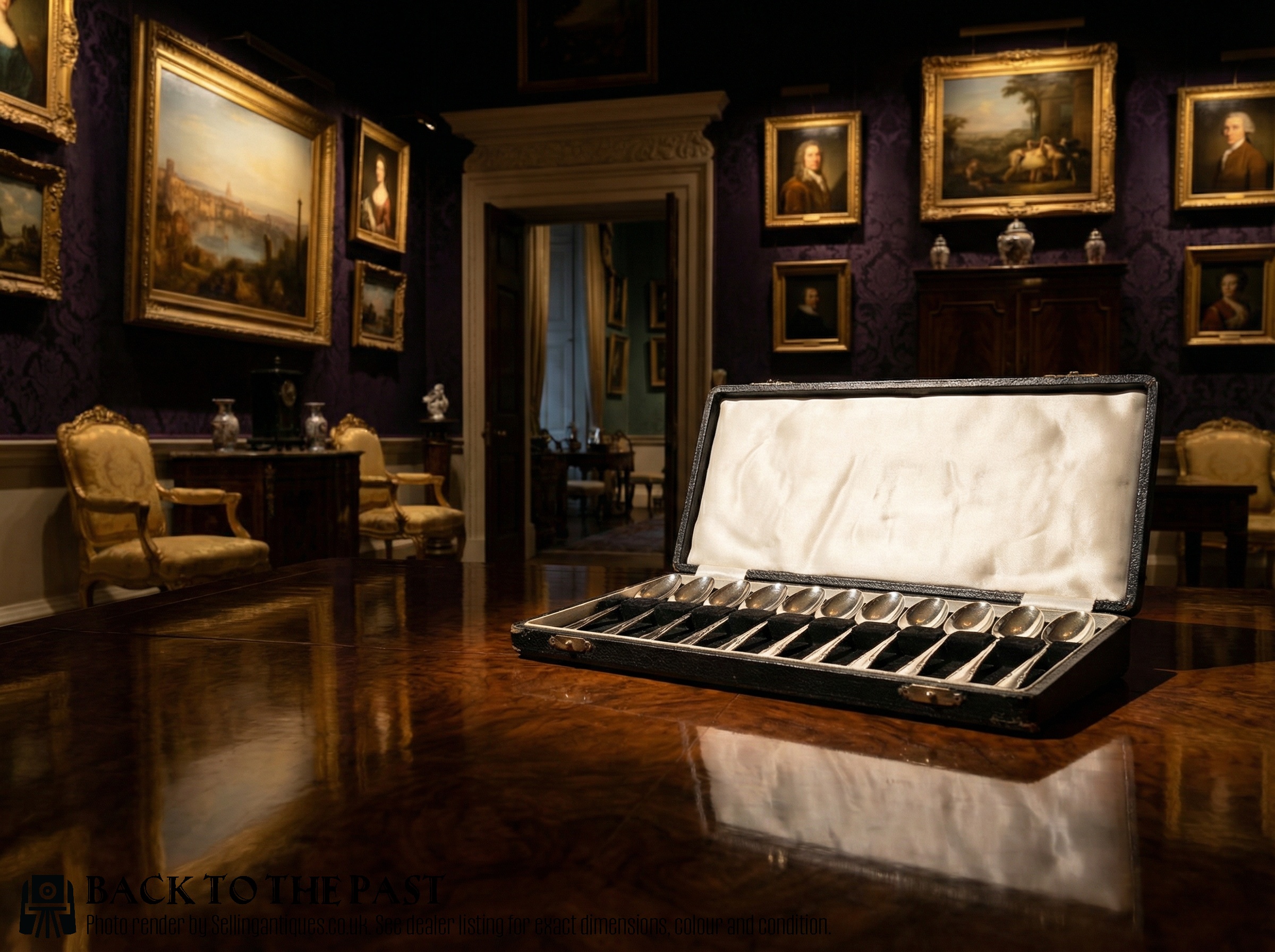
The objects reflect distinct stylistic shifts, moving from ornate nineteenth-century designs into the clean lines of Art Deco and Mid-Century Modern forms. Mugs, tankards, and cased spoon sets appear frequently among these surviving examples.
Materials and construction
The pieces are constructed primarily from sterling silver, occasionally paired with organic elements like wood, mother-of-pearl, and fabric lining within fitted boxes. Metalsmiths utilised techniques such as casting, piercing, and hand-engraving to shape the solid silver.
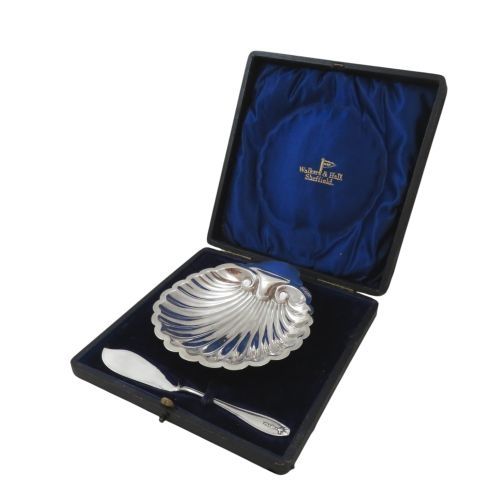
Fitted presentation cases lined in fabric protect many of the multi-piece services and spoon sets. Structural elements like soldered handles and weighted bases demonstrate traditional silversmithing methods employed in Yorkshire workshops.
Retail Price Guide 2026
Typical UK retail prices for sheffield hallmarked silver, calculated from the Sellingantiques database of over a million retail prices indexed since 2003. This retail price guide relies exclusively on Sellingantiques data; no external sources or auction records are used, so the figures do not describe the wider market.
Silver pocket fruit knives often included folding mother-of-pearl handles, designed for gentlemen to slice fruit without staining steel blades.
Markers of distinction
Quality rests in the crispness of the hallmark stamps and the depth of any hand-engraved decoration. Pieces that retain their original fitted wooden or fabric-lined cases show greater preservation.
The reputation of the maker influences the standing of an object, alongside the structural integrity of hinged elements, pierced stems, and applied handles.
Harry Atkin·Cooper Brothers and Sons·Henry Williamson·Martin Hall and Co·Lee and Wigfull·John Sanderson·Walker and Hall·Viners Ltd·Harrison Brothers and Howson·Allen and Darwin·Mappin and Webb·Roberts and Belk·Z Barraclough and Sons·Atkin Brothers·Thomas A Scott·James Deakin·James Dixon and Sons·Henry Holland
The Sheffield Hallmarked Silver Glossary
- Hallmark
- An official stamp applied to precious metals indicating the standard of purity, the assay office, and the date letter. For these items, the stamp incorporates the Sheffield crown.
- Sterling silver
- An alloy containing 92.5 percent silver by weight, used for durable domestic tableware and decorative objects. It provides the primary material for the items in this category.
- Salver
- A flat plate or tray with feet, used for serving drinks or presenting cards. Examples often feature engraved detailing and substantial weight.
- Tazza
- A small pedestal plate or shallow bowl raised on a foot, used for display or serving sweetmeats. These pieces highlight decorative piercing and silver smithing skill.
Frequently Asked Questions
How do I read a Sheffield hallmark?
Look for the town mark of a crown, which confirms the piece was assayed in Sheffield. Additional stamps indicate the sterling standard, the maker's mark, and a specific date letter.
Matching these letters against historical assay tables reveals the exact year of production.
Were cased sets meant for daily use?
Cased sets of spoons, forks, or tea services were traditionally reserved for formal dining or kept as presentation gifts. The original fitted boxes protected the silver from tarnish and wear when not displayed.
This careful storage explains why many surviving cased items retain their sharp surface details.
How should I clean sterling silver?
Use a soft cloth and a specialised silver polish designed to remove tarnish without scratching the metal. Avoid harsh abras<bos>6 that can dull fine hand-engraving or damage applied details.
Store pieces in dry, anti-tarnish environments to maintain their finish between uses.
What defines an Art Deco piece?
Art Deco items emphasise geometric shapes, streamlined forms, and minimal ornamentation compared to earlier Victorian styles. This aesthetic appears clearly in coffee sets and dishes from the interwar period.
The design reflects a shift toward modernism in British silversmithing.