



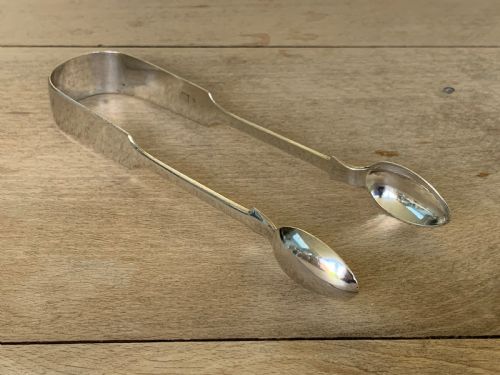

19th Century Silver Service
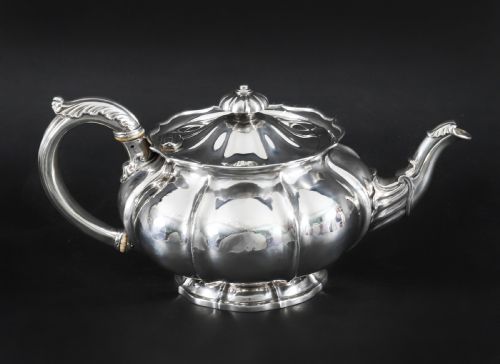
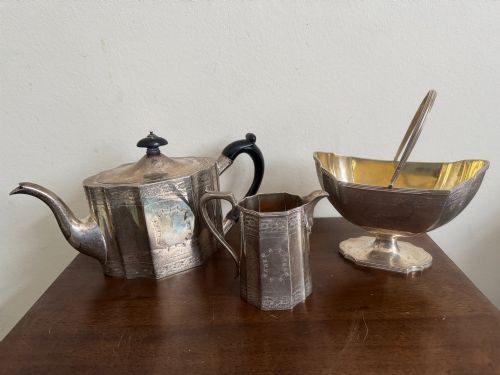
These pieces of a 19th century silver service offer heavy sterling metalwork and fitted utility, providing an authentic dining centrepiece for the table.
19th Century Silver Service
A 19th century silver service encompasses complete tea and coffee sets, cutlery canteens, and individual serving pieces spanning the Victorian and Georgian eras. Buyers typically encounter large matching tea sets alongside multi-piece dessert and cutlery services housed in original fitted cases.
The selection ranges from four-piece sterling tea services by noted silversmiths to plated fruit and dessert canteens utilising mother of pearl or ivory handles. Form follows utility across these domestic sets, whether configured for morning tea or formal dining.
Materials and construction methods
Silversmiths constructed primary vessels and flatware using sterling silver or Sheffield plate over a base metal foundation, shaping hollowware through hammering and casting. Handles and decorative elements often incorporate bone, wood, glass, or brass details to provide contrast.
Cased dessert and cutlery sets feature engraved silver plate blades paired with organic grips like mother of pearl or carved ivory. Fitted storage boxes utilise timber construction lined with velvet to protect the polished metal surfaces.
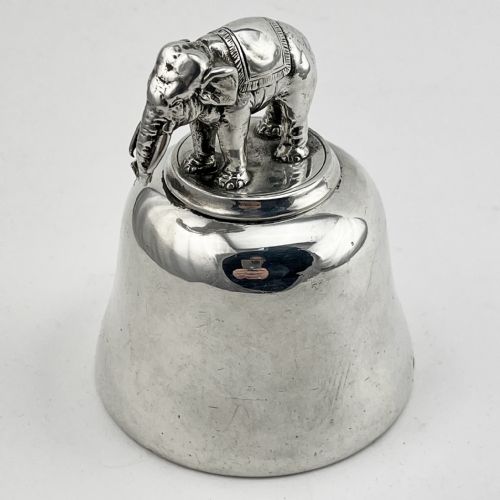
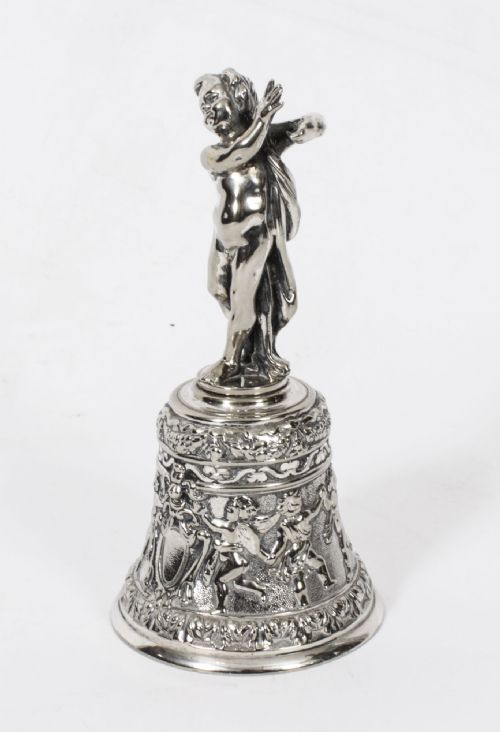
Table bells and sugar tongs join the teapots and coffee pots, ensuring every tea service comes with its own summoner.
Distinctions in craftsmanship and condition
Quality rests upon the crispness of chased or engraved ornamentation and the structural integrity of hinged lids, spouts, and handles across each vessel. Maker attribution also separates standard domestic items from pieces bearing the marks of renowned silversmiths.
The presence of original fitted boxes and complete matching components elevates a service significantly above assembled sets. Preservation of the original silver plating or heavy sterling gauge ensures durability and long-term utility.
Paul Storr·Joseph Craddock·Benjamin Smith·Josiah Williams and Co·Emile Puiforcat
The 19th Century Silver Service Glossary
- Sterling silver
- A silver alloy containing 92.5 percent pure silver by mass and 7.5 percent other metals, usually copper. This standard ensures the durability required for daily domestic use.
- Sheffield plate
- An early form of silver plating produced by fusing a sheet of sterling silver to a copper ingot. This technique creates a durable dual-metal sheet before shaping.
- Hollowware
- Tableware items such as teapots, coffee pots, and cream jugs that possess volume rather than being flat. Silversmiths traditionally raised these forms from flat metal sheets.
- Fiddle pattern
- A traditional English flatware design featuring a slender stem that widens gradually towards the terminal into a distinct shape resembling a fiddle. This style dominated 19th century cutlery production.
- Assay mark
- A stamp or group of stamps applied to precious metals indicating the standard of purity, the assay office, and the year of testing. These marks provide definitive dating evidence.
19th Century Silver Service: Frequently Asked Questions
How do I clean a silver service?
Use a specialised silver polish and a soft cloth to remove tarnish, avoiding abrasive pads that scratch the metal surface. Wash pieces in warm soapy water and dry them thoroughly immediately afterward.
Take extra care around wooden handles, velvet linings, or organic elements like ivory and bone to prevent moisture damage during cleaning.
Are these tea sets usable today?
Most sterling and plated tea sets remain fully functional for serving hot beverages and hosting guests. Ensure internal joints and seams are secure before pouring boiling water.
Hand washing is essential to preserve the finish and prevent any historical solders from weakening over time.
What does Old Sheffield plate mean?
Old Sheffield plate is an early fusion method where a thin layer of sterling silver is fused to a copper core. This technique predates modern electroplating and produces a rich, deep finish.
Pieces made this way sometimes show subtle traces of copper appearing through high-wear points, which is a normal sign of age.
Why are some sets in fitted boxes?
Original fitted cases were designed to protect delicate cutlery, dessert sets, and dressing items from dust and impact when not in use. Velvet linings and custom wooden slots kept each piece secure.
Finding a service complete with its original fitted box adds considerable historical context and protects the contents from damage.