





Silver Toddy Ladle
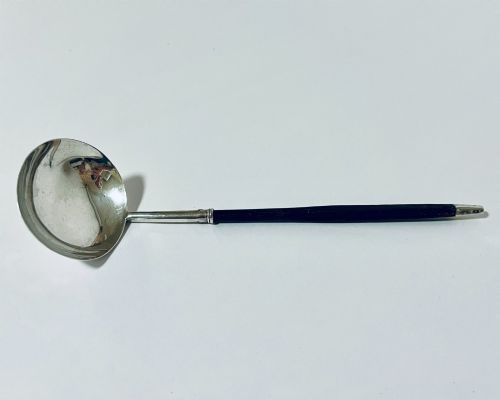
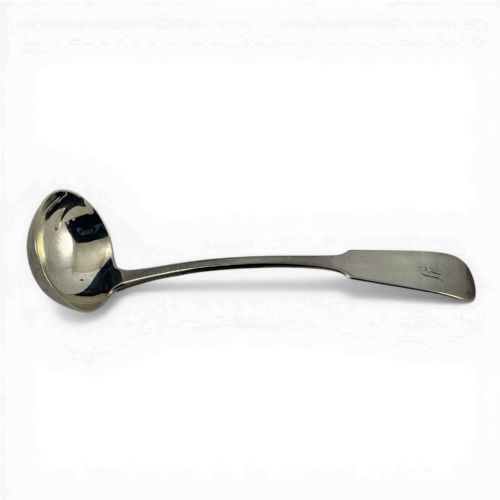
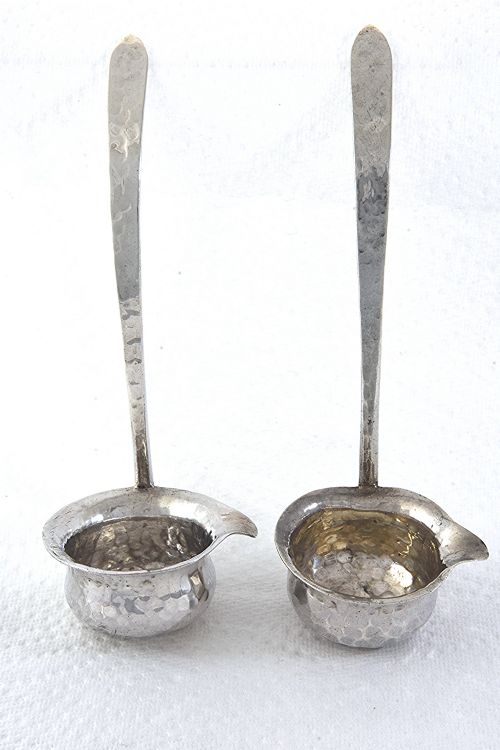
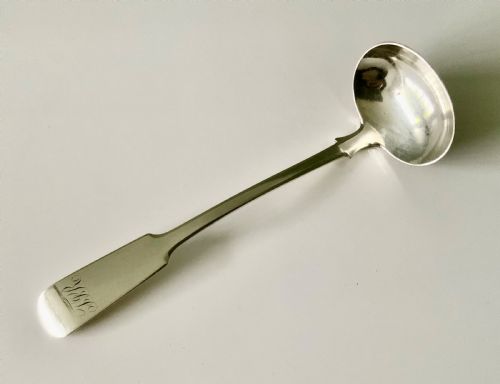
These silver toddy ladle pieces are traditional serving utensils designed for warm spirits, offering a tactile connection to historical dining.
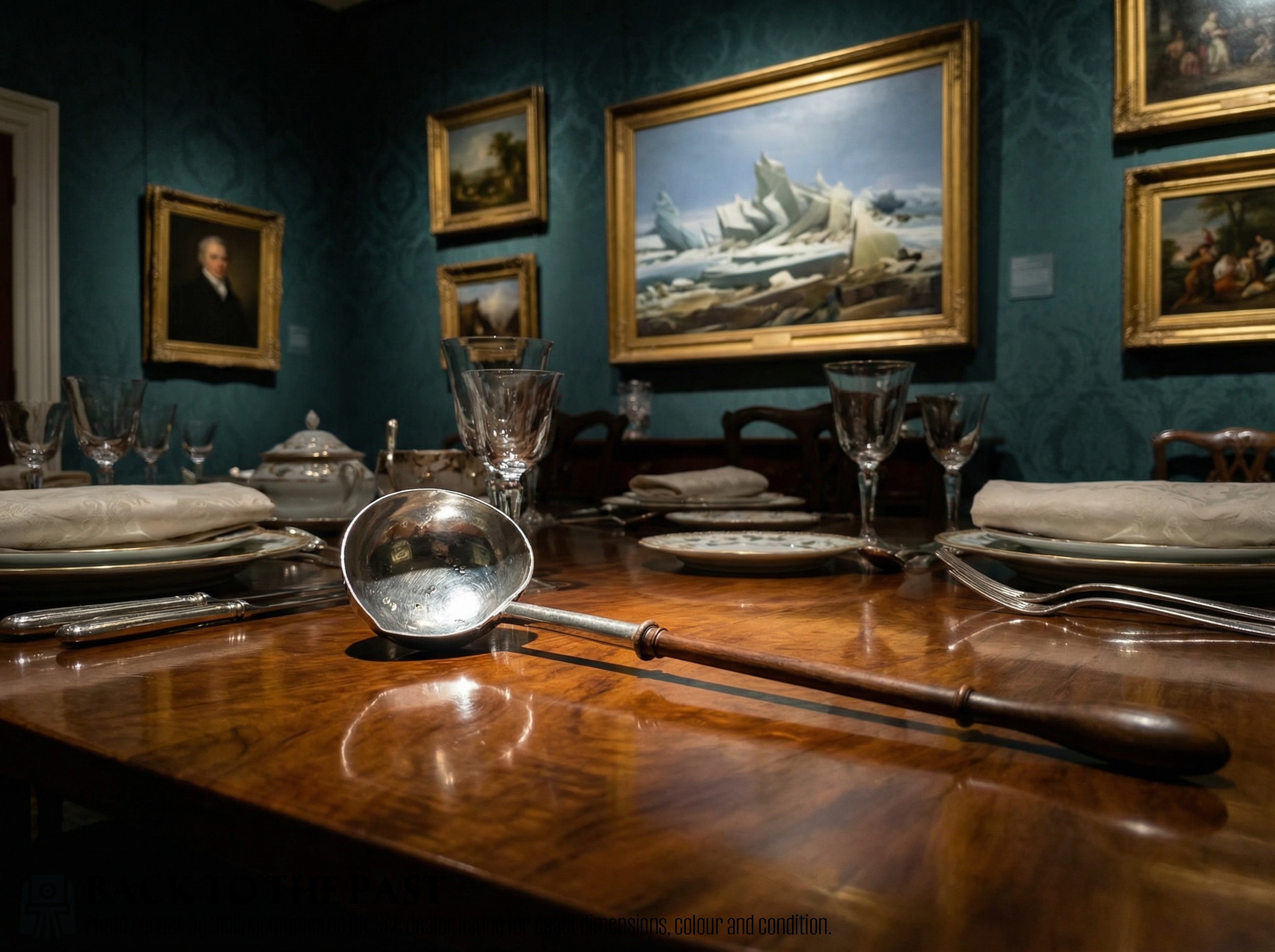
Silver Toddy Ladle
A silver toddy ladle is a specialised serving utensil historically used to ladle punch or hot spirits into glasses from a central bowl. When searching this phrase, a buyer encounters forms originating primarily from the Georgian, 18th Century, and Victorian periods.
The most common examples on this page are single ladles or pairs featuring silver bowls, often paired with organic materials for the handle. Scottish provincial and English origins dominate the selection, alongside Irish examples.
Makers frequently utilised inset coins, such as shillings or George II currency, directly into the base of the bowl. These variations in design reflect regional preferences across different eras of production.
Assessing quality in execution
The distinction between standard examples and finer pieces lies in the crispness of the Provincial hallmarks and the complexity of the handle work. Twisted whalebone and detailed coin insertions demand higher levels of craftsmanship from the silversmith.
Proportion and balance dictate the handling qualities of each piece, where heavier gauge silver and well-fitted organic handles demonstrate superior construction. Engraved crests or initials add a layer of personal provenance that elevates the status of the utensil.
Silver Toddy Ladle Retail Price Guide 2026
Typical asking prices for silver toddy ladle among the pieces listed under this phrase on Sellingantiques today, from the lower quarter to the upper quarter. They describe what is for sale here now, not the wider market.
Whalebone handles were boiled and twisted while hot, holding their corkscrew shape permanently to give a firm grip during punch service.
William Ferguson·John McDonald·William Kersill·Thomas Morley
The Silver Toddy Ladle Glossary
- Baleen
- The flexible horny material taken from the upper jaws of certain whales, commonly utilised to form twisted handles on 18th Century examples.
- Provincial silver
- Silverware manufactured outside of London in regional assay towns such as Edinburgh, Glasgow, Elgin, or Perth. These pieces bear distinctive maker marks.
- Coquilla nut
- The hard, dark brown seed of a South American palm tree, turned on a lathe to form smooth handles for drinking vessels and utensils.
- Punch ladle
- A larger serving implement closely related to the toddy ladle, utilised for transferring mixed drinks from a central bowl.
Silver Toddy Ladle: Frequently Asked Questions
What is a silver toddy ladle used for?
These utensils served to portion hot toddies or punch from a communal bowl into individual drinking vessels during social gatherings. The long handles kept hands safely away from the steaming liquid.
Over time, they became standard accessories for formal dining and evening hospitality in Georgian and Victorian households.
Why do some bowls contain coins?
Silversmiths frequently inset historic coins, such as shillings or older silver currency, directly into the bottom of the silver bowl. This decorative practice often commemorated specific rulers or added visual interest.
Coins featuring portraits like King George II appear regularly in 18th Century examples.
How do I identify a Scottish provincial piece?
Scottish provincial items display maker marks and regional town stamps rather than standard assay office hallmarks from Edinburgh or Glasgow. Towns like Elgin and Perth used unique initial combinations.
These regional marks help researchers trace the exact workshop origins outside the major cities.
How should I care for organic handles?
Handles made from whalebone, horn, or coquilla nut require protection from excessive moisture and extreme temperature fluctuations. Gentle cleaning with a soft cloth preserves the natural grain.
Avoid submerging organic materials in water or chemical cleaning solutions to prevent splitting.