



Antique Scottish Silverware
These antique scottish silverware pieces bring rugged northern character and exquisite Edinburgh craftsmanship straight to the dining table.
Antique Scottish Silverware
When buyers search for antique scottish silverware, they find an array of drinking vessels, flatware, and serving pieces spanning the Georgian, Victorian, 18th Century, and Regency periods. The selection encompasses regional provincial centres alongside major urban assay offices like Edinburgh.
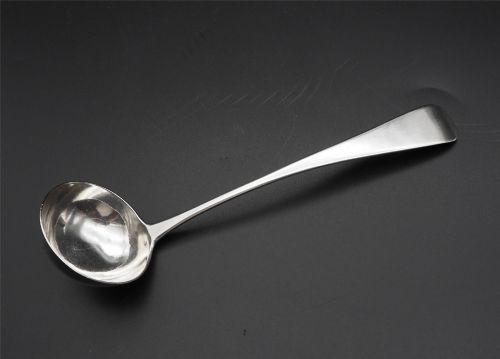
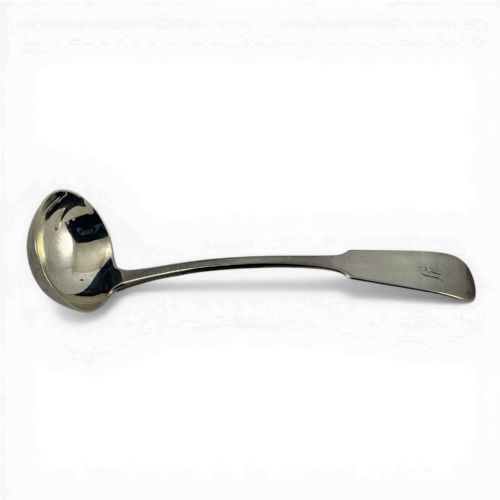
The pieces on this page lean heavily towards functional dining items, notably toddy ladles, sauce ladles, and serving spoons. Buyers frequently encounter traditional Scottish forms such as quaichs, alongside classic silver teapots and basting spoons.
Provincial pieces from towns like Banff, Elgin, and Inverness appear alongside urban creations, demonstrating the distinct character of northern silversmithing. Styles range from austere George II designs to ornate Celtic Revival and Victorian novelties.
Materials and construction methods
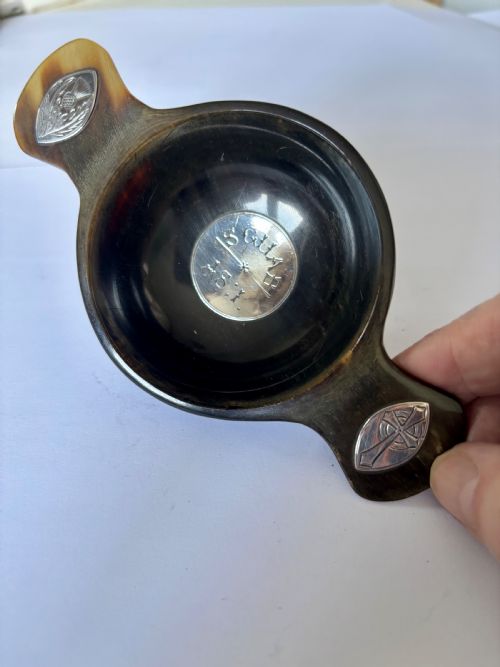
Makers shaped these items primarily from sterling silver and standard silver, frequently combining metal with organic materials such as natural horn, whalebone, and wood. This juxtaposition of gleaming precious metal and tactile horn gives many pieces their distinct regional identity.
Silversmiths hammered, cast, and chased the silver to form heavy-walled teapots, delicate drinking vessels, and slender ladle handles. Specialised provincial makers utilised local resources to mount natural horn bodies with silver rims and handles, creating durable drinking bowls.
Antique Scottish Silverware Retail Price Guide 2026
Typical asking prices for scottish silverware among the pieces listed under this phrase on Sellingantiques today, from the lower quarter to the upper quarter. They describe what is for sale here now, not the wider market.
Evaluating craftsmanship and distinction
Quality in these items rests upon the crispness of the maker marks, the balance of the piece in the hand, and the preservation of original engraved crests. Provincial items bearing clear town and maker stamps command particular attention from knowledgeable collectors.
The integration of organic materials like horn and whalebone with sterling silver mounts dictates the refinement of vessels like quaichs and ladles. Superior examples display seamless joins and harmonious proportions between the contrasting textures.
William Ferguson·John McDonald·Mackay and Chisholm·Alexander Henderson
The Antique Scottish Silverware Glossary
- Quaich
- A traditional Scottish two-handled drinking vessel used for whisky or lowlands hospitality. These shallow bowls often feature silver mounts combined with natural horn or wood.
- Toddy ladle
- A small spoon with a twisted whalebone, horn, or silver handle designed for mixing whisky and hot water. They are a staple of Scottish dining history.
- Assay office
- The official body that tested precious metals and stamped them with hallmarks to guarantee purity. Edinburgh served as the primary Scottish testing centre.
- Basting spoon
- A large, long-handled spoon used in the kitchen or at the dining table for serving juices and gravies. Georgian examples from makers like Alexander Henderson show exceptional length and weight.
Antique Scottish Silverware: Frequently Asked Questions
How do I identify provincial Scottish silver?
Provincial pieces carry maker marks and town initials rather than standard city assay office hallmarks. Look for stamps associated with northern towns like Banff, Elgin, and Inverness.
These local marks reflect the independent working practices of smiths outside the capital.
Why do some ladles have twisted whalebone handles?
The twisted whalebone or horn handles prevented heat transfer when the ladle rested in hot toddy or punch bowls. This practical design choice defined the Scottish toddy ladle during the Georgian era.
Makers paired these organic materials with sterling silver bowls to balance flexibility and durability.
How do I date an 18th-century Scottish teapot?
Dating relies upon examining the shape, weight, and any stamped maker or city marks on the base. Early forms like the George II bullet teapot feature compact, rounded bodies with distinct foot rims.
Comparing the engraved crests and silver weight against known examples from Edinburgh assay records helps narrow the production window.