



Scottish Celtic Revival
These scottish celtic revival pieces are striking works of heritage craft, drawing every collector in search of bold regional silver and stone.
Scottish Celtic Revival
When you search for scottish celtic revival, you encounter a distinct gathering of antique and vintage objects rooted in northern tradition. These pieces span from the Victorian and Edwardian eras into the mid twentieth century, reflecting enduring regional motifs.
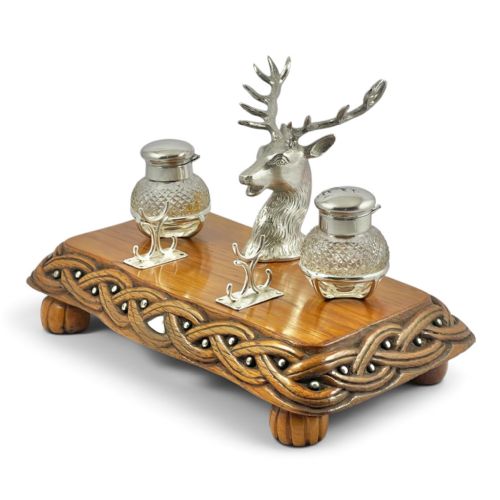
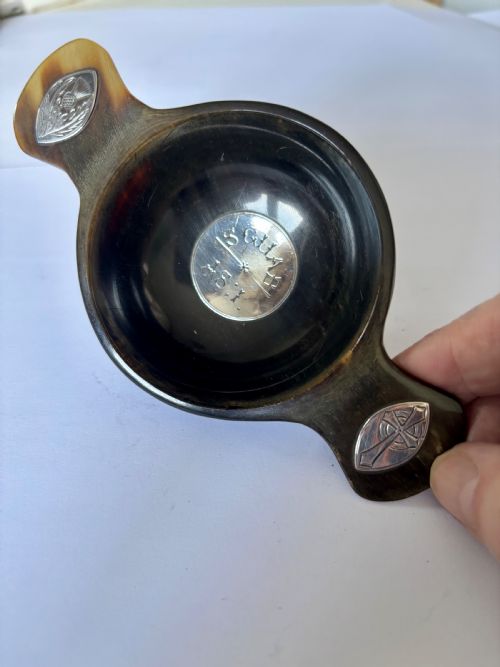
The selection on this page centres primarily on wearable ornaments such as brooches, kilt pins, bracelets and earrings, alongside desk accessories and home items. You will frequently meet sterling silver and gold mounts paired with natural materials like agate, citrine, jasper, horn and wood.
Makers and workshops across Scotland interpreted these historic interlace designs through various aesthetic movements, including Arts and Crafts and Victorian revival styles. Each piece carries a tangible link to traditional craftsmanship and local heritage.
How they were made
Silversmiths shaped sterling silver and gold into intricate mounts, often employing hand-engraved interlace patterns and traditional fastenings. Metalwork forms the structural backbone of brooches, inkstands, and trinket boxes.
Natural stones such as citrine and agate were cut, polished and bezel-set into the precious metal frames. Artisans also utilised organic materials like carved oak, horn and amber to add texture and contrasting warmth to the metalwork.
Materials appearing across the current selection include sterling silver, brass, gold, glass, citrine, wood, agate, jasper, oak, horn and amber.
What varies in quality
Quality in these works rests upon the crispness of the metal chasing and the depth of the engraving across the silver or gold surfaces. Superior examples display precise hand-cut interlace work that remains sharp and well-defined.
The grade and polish of the incorporated stones also dictate overall excellence. Well-matched, vibrant citrines and richly patterned agates securely set into heavy metal mounts elevate a piece above standard production.
John Hart of Iona·Celtic Art Industries
The Scottish Celtic Revival Glossary
- Sterling Silver
- An alloy of silver containing ninety-two point five percent pure silver and seven point five percent other metals. This standard grade is widely used in British antique silver items.
- Citrine
- A transparent, yellow to orange variety of quartz. It frequently appears faceted in Scottish brooches and trinket boxes.
- Agate
- A cryptocrystalline variety of silica, known for its banded appearance. Victorian jewellers favoured local Scottish stones in shades of red, grey and brown.
- Arts and Crafts
- An international design movement that championed traditional craftsmanship. It emphasised simple forms and medieval or regional decoration.
Scottish Celtic Revival: Frequently Asked Questions
How do I date an antique Scottish brooch?
Dating typically involves examining the hallmarking stamps on the silver or gold mounts, alongside the specific style of the stone settings. Assay office marks and maker's initials provide precise reference points for Edinburgh or regional pieces.
The aesthetic characteristics, such as Victorian scrollwork or later mid-century abstraction, also help place the item within a broader historical period.
Are these pieces made from solid silver?
Many items feature solid sterling silver construction, particularly structural elements like inkstands, trinket boxes and larger brooches. Hallmarks stamped directly into the metal verify the purity and origin.
Some smaller wearable pieces or mounted items combine silver work with natural organic materials such as horn, wood or amber.
How should I care for silver and stone jewellery?
Store silver pieces in a dry environment away from direct sunlight to minimise natural tarnishing of the metal. Clean the metal gently using a soft cloth designed for silver maintenance.
Protect natural stones like agate and citrine from harsh chemical dips and physical impacts, as these minerals require careful handling to preserve their polish.