
Scottish Sterling Silver
Scottish sterling silver brings together centuries of silversmithing tradition, encompassing practical tableware, heavy flatware and regional provincial pieces that collectors prize.

Forms and Origins
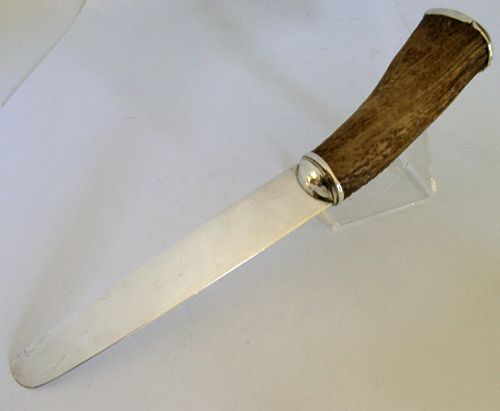
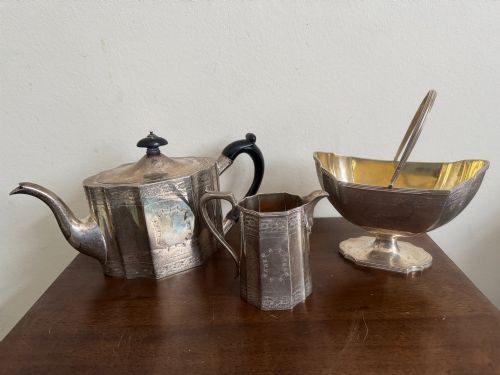
When you search for scottish sterling silver, you encounter a diverse range of items spanning the eighteenth century through to the mid twentieth century. The selection includes domestic tableware such as tea sets, sugar basins, milk jugs, salvers, bread baskets and brandy pans alongside functional wine labels, coasters and decanter accessories.
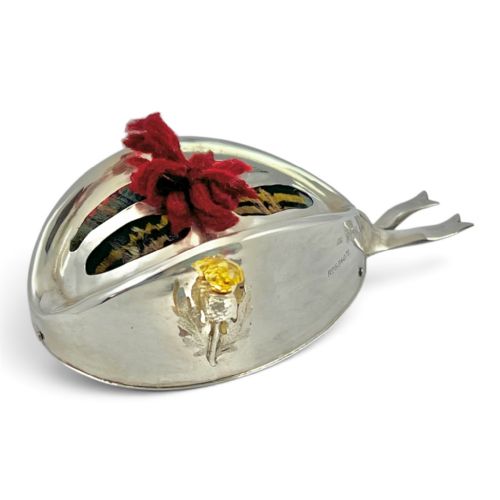
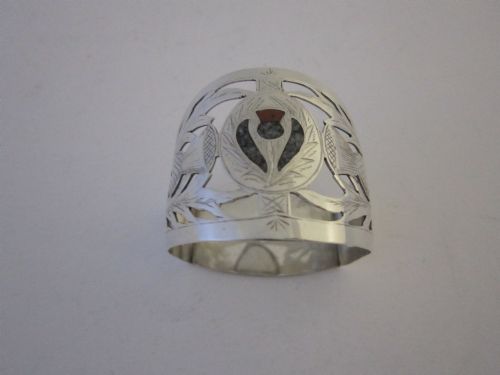
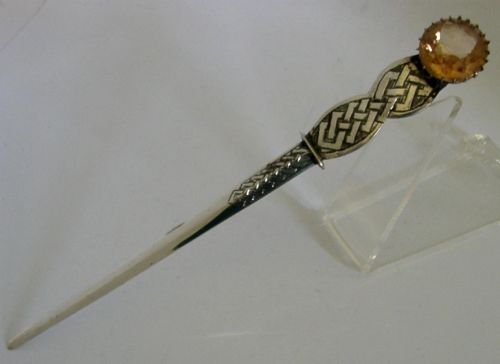
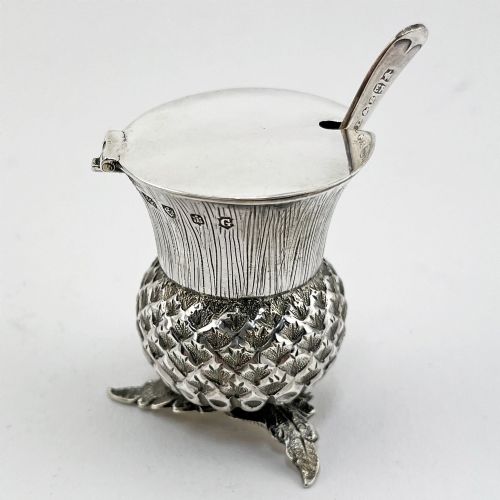
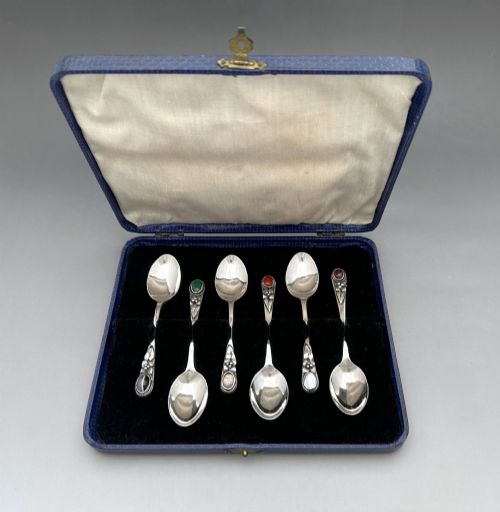
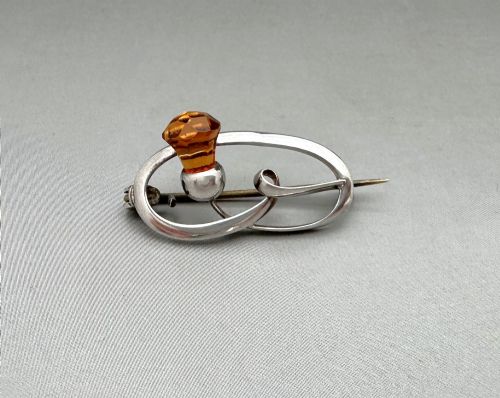
Many items incorporate regional Scottish character through specific motifs and materials, frequently pairing sterling silver with agate, amethyst, citrine, bog oak, horn or turned treen in forms like the traditional quaich or thistle designs.
Materials and Technique
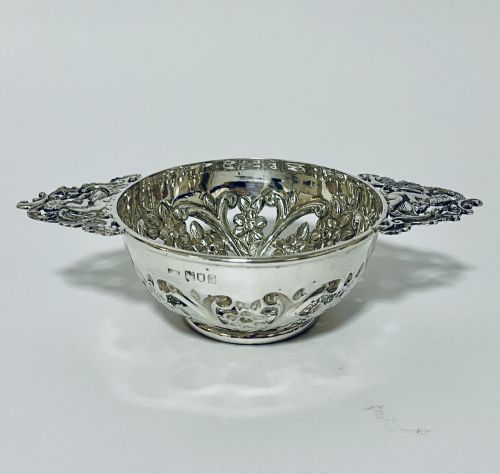
The objects are constructed primarily from solid sterling silver, often combined with natural regional materials such as Scottish agates, amethysts, citrines, horn, bog oak and turned wooden treen. Certain hollowware pieces, such as sugar basins and milk jugs, feature gold gilding to their interiors.
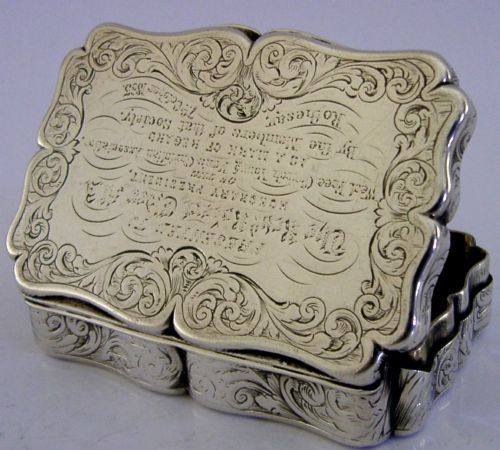
Techniques recorded across the pieces include embossing with floral designs, turning in wood and horn, and stone setting for jewellery and decorative items. Silversmiths utilised traditional hand-working methods to shape heavy flatware, hollowware and novelty bookmarks.
Retail Price Guide 2026
Typical UK retail prices for scottish sterling silver, calculated from the Sellingantiques database of over a million retail prices indexed since 2003. This retail price guide relies exclusively on Sellingantiques data; no external sources or auction records are used, so the figures do not describe the wider market.
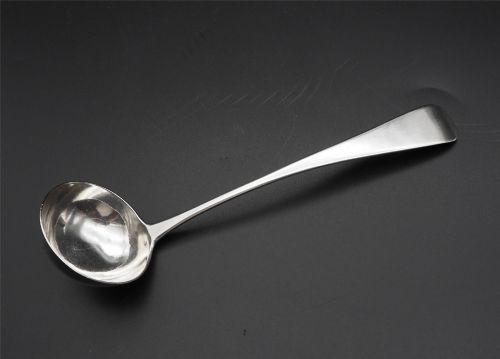
Object forms range from heavy soup ladles and tea sets to novelty bookmarks shaped like teddy bears and curling stones.
Evaluating the Work
Quality in these silver pieces rests upon the crispness of detail in embossed floral work, cast thistle motifs and family crests. Superior examples maintain clear hallmarks and secure stone settings where agates, amethysts or citrines are integrated.
The weight and gauge of the silver distinguish substantial hollowware like bread baskets, salvers and soup ladles from lighter domestic items. Greater care in provincial manufacture and the inclusion of original fitted cases elevate individual pieces.
Glasgow Rait·Robb Ballater·Bernard Harrington·Charles Bendy·Hamilton And Inches
The Scottish Sterling Silver Glossary
- Quaich
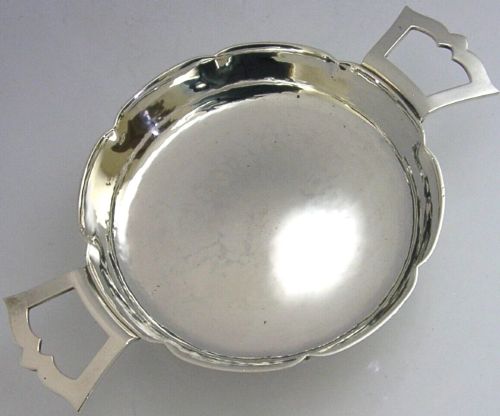
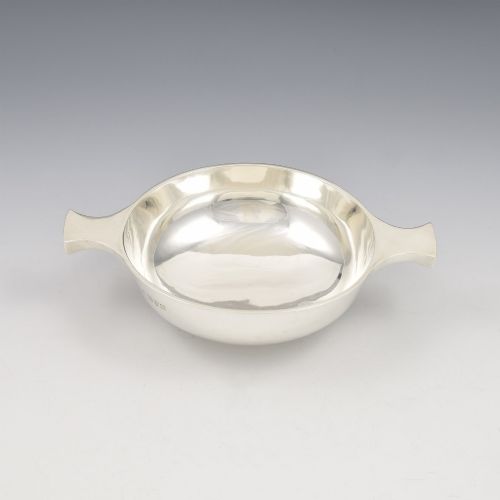
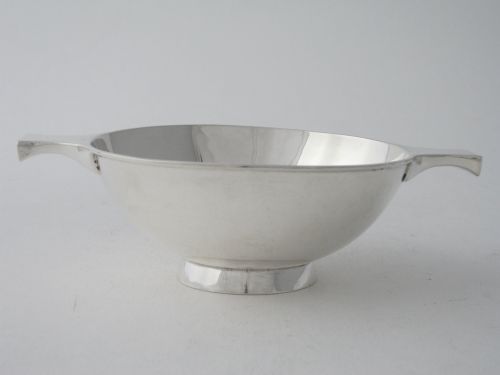
- A traditional Scottish two-handled drinking vessel used for gathering or toasts. It typically takes the form of a shallow bowl with flat projecting lugs.
- Toddy Ladle
- A small spoon with a long handle designed for mixing and serving hot whisky toddies. These often feature twisted whalebone handles or slender silver stems.
- Pounce Pot
- A small perforated shaker container used to sprinkle sand over wet ink to speed up drying. They appear in novelty forms such as thistles.
- Basting Spoon
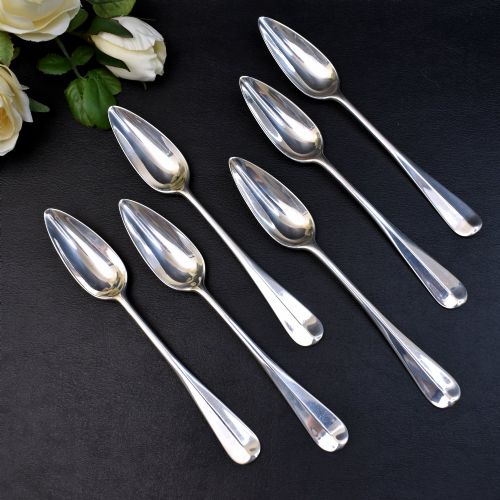
- An exceptionally large spoon utilised in the kitchen or dining room for spooning juices over roasting meat. They match the patterns of standard table flatware.
- Provincial Silver
- Items manufactured and hallmarked outside the main assay offices of Edinburgh or Glasgow. Pieces from towns like Aberdeen or Dundee carry distinct regional maker marks.
Frequently Asked Questions
How do I identify provincial Scottish silver?
Provincial pieces carry maker marks and regional symbols that differ from the standard town marks of Edinburgh and Glasgow. Silversmiths working in towns like Aberdeen or Dundee stamped their own unique initials alongside local town marks.
Examining these secondary marks reveals the specific workshop origin outside the major assay centres.
What are Scottish thistle spoons?
Thistle spoons incorporate the national floral emblem of Scotland into their handle design or terminal decoration. They appear in various forms, from small condiment spoons to large boxed presentation sets.
Many examples date from the Victorian and Arts and Crafts periods, reflecting a broader revival of interest in Scottish motifs.
How should I care for antique silver with agate?
Silver pieces set with natural stones require gentle cleaning using a soft cloth to avoid scratching the polished surface of the agate or amethyst. Liquid silver dips should be avoided as they can damage organic stones and softer materials like horn or bog oak.
Store items in dry conditions away from direct sunlight to protect both the metal and the mounted gemstones.