



Georgian Silver Decanter Tag
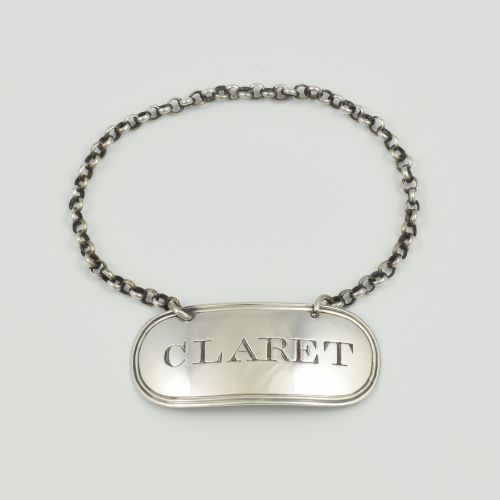
A Georgian silver decanter tag is a small identifier suspended by a chain around the neck of a wine bottle.
Georgian Silver Decanter Tag
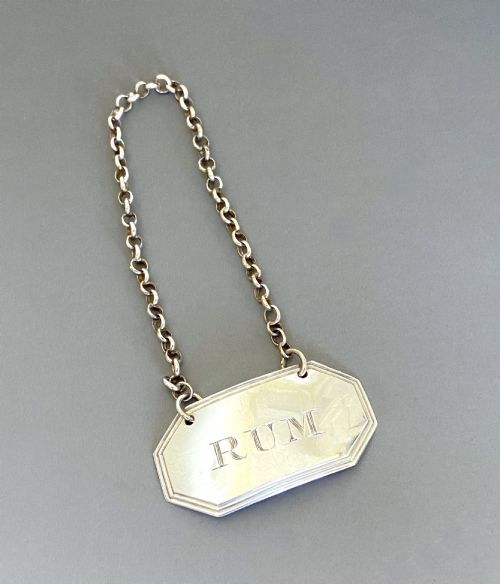
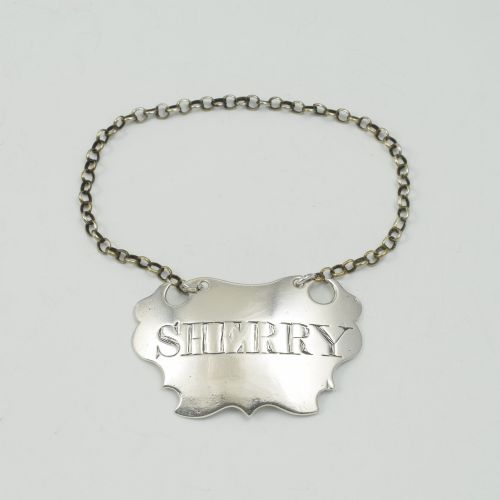
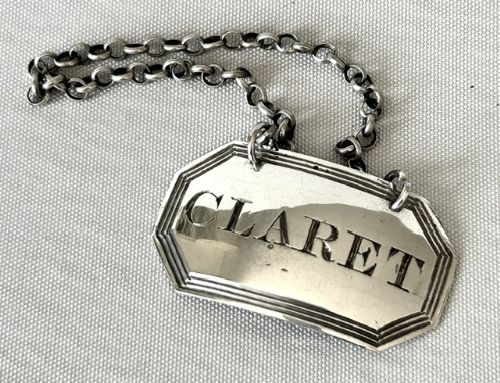
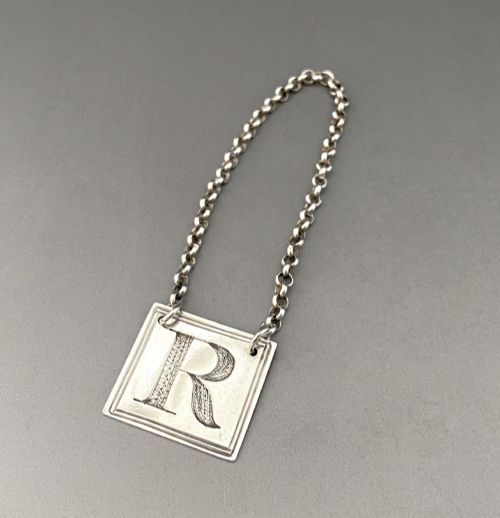
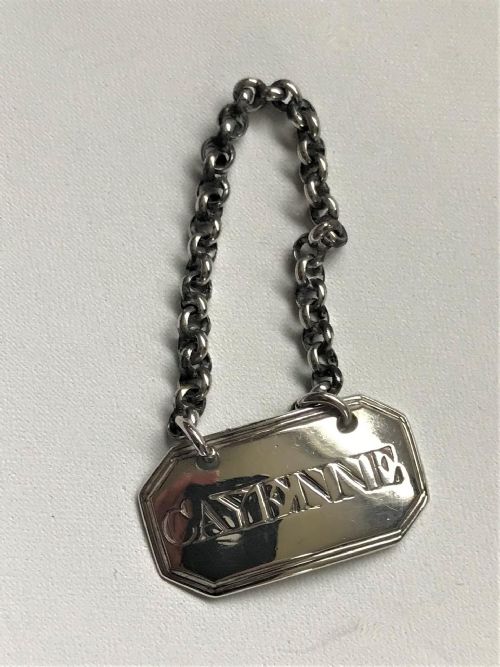
A georgian silver decanter tag acts as a clear marker for various wines and spirits held in carafes on the dining table. These small items appear in forms such as escutcheon shapes, vine leaves, and bottle tickets marked for sherry, port, claret, rum, gin, madeira, hock, moselle, and cayenne.
The pieces on this page span the georgian, regency, and victorian periods, alongside eighteenth century and eighteen hundred examples. Makers utilise solid sterling silver and silver gilt, reflecting the varied tastes of past dining rooms.
Collectors encounter both individual labels and assembled sets, sometimes bearing specific regional hallmarks from Edinburgh or Scottish provincial towns like Peterhead. Each tag serves to distinguish the contents of glassware without confusion during formal meals.
Materials and construction
Silversmiths formed these tags using solid sterling silver and silver gilt, often shaping the metal into delicate vine leaves, escutcheons, or pierced borders. Punchwork, engraving, and applied cast details defined the lettering for beverages like sherry and claret.
Makers utilised traditional hammering and piercing techniques to achieve thin yet durable pieces that could hang comfortably from a chain around a decanter neck.
Object forms include standard decanter labels, escutcheon shapes, and bottle tickets for specific spirits.
Judging the work
Quality rests on the crispness of the engraved or pierced lettering and the weight of the solid silver used in the construction. Pieces showing detailed casting, such as vine leaf motifs by known makers, display a higher level of workshop skill.
The clarity of the hallmarks and the preservation of the original surface finish separate standard production items from finer provincial or London hallmarked examples.
Elizabeth Morley·John Reily·Thomas Wallis II·William Sharp·Peter and Anne Bateman
The Georgian Silver Decanter Tag Glossary
- Escutcheon
- A shield-shaped plate used for heraldry or inscriptions. On decanter labels, this form provides a traditional surface for naming the wine.
- Bottle ticket
- An alternative name for a decanter label or tag. This term was frequently used in period inventories and contemporary records.
- Silver gilt
- Silver covered with a thin layer of gold on the surface. This technique added richness and protected the underlying silver from tarnishing.
- Hallmark
- An official stamp indicating the metal standard, place of assay, and date letter. These marks help identify the origin and period of the silver.
- Provincial
- Describing items made outside the main assay offices of London. Scottish provincial pieces often carry unique maker marks specific to northern towns.
Georgian Silver Decanter Tag: Frequently Asked Questions
What is a decanter tag?
A decanter tag is a small silver label hung around the neck of a wine bottle or decanter. It identifies the specific spirit or wine contained within.
The pieces range from plain escutcheons to ornate vine leaf designs bearing names like sherry, port, or claret.
How do I hang a label?
Most tags feature an attached silver chain or jump ring that slips easily over the neck of a glass decanter. This allows the label to rest securely against the glass.
The length of the chain varies by design, ensuring the label hangs at the correct angle below the stopper.
Are these items solid silver?
The listings include solid silver, sterling silver, and silver gilt examples. Silversmiths used these durable materials to withstand daily use on the dining table.
Hallmarks stamped on the reverse or edge confirm the metal standard and often indicate the London or provincial origin.
How are different wine types marked?
Makers engraved or pierced specific names onto the face of the tag, such as madeira, hock, gin, or rum. Some rarer labels identify individual portions like one go or specific condiments like cayenne.
This lettering ensured guests and hosts could distinguish between multiple decanters during long Georgian dinners.