






Hand Carved Wooden Bowl
A hand carved wooden bowl brings immediate texture and warmth to a room, fashioned from solid timber by hands long gone.
Hand Carved Wooden Bowl
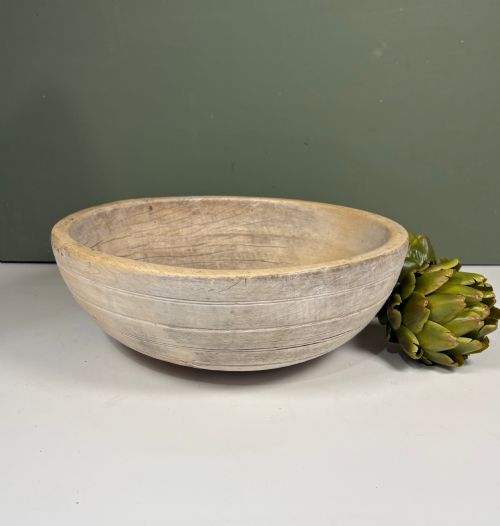
When you search for a hand carved wooden bowl, you are looking at functional vessels shaped by hand from solid timber, ranging from utility items to decorative centerpieces. The examples you meet on this page cross multiple periods, from the eighteenth century through to the twentieth, reflecting various domestic and regional uses. You will find items categorised within treen, decorative bowls, and rustic vessels, each bearing the distinct tool marks of its maker.
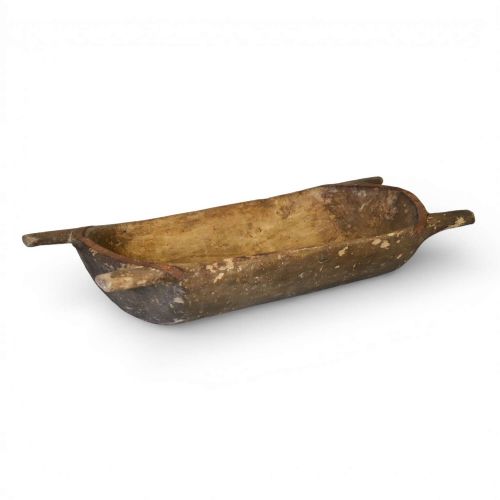
Domestic dairy bowls, kneading dough bowls, and fruit bowl centerpieces form the core of what is available here. These pieces originate from diverse stylistic traditions, including French country, Swedish country, Arts and Crafts, and rustic folk art. They span European, Asian, and Pacific workshops, utilising regional timbers suited to each specific vessel type.
Materials and construction
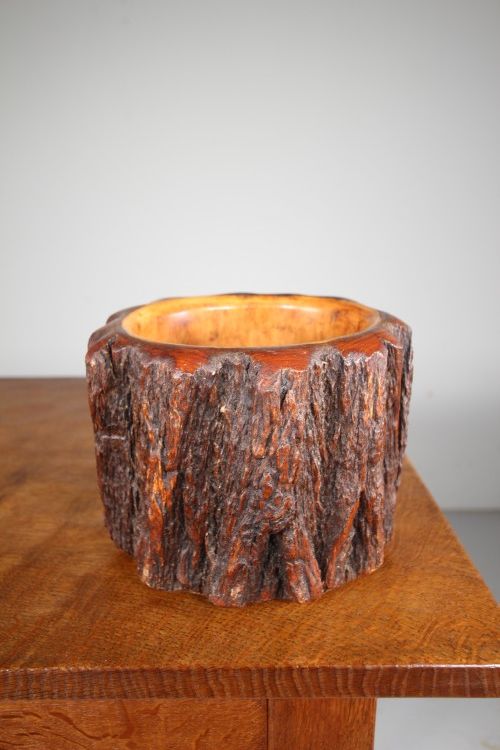
Craftsmen shaped these vessels from solid timbers such as sycamore, oak, olive wood, Chinese elm, shisham wood, birch, and general hardwood. Selection depended heavily on the intended function, with dense woods chosen for heavy utility tasks like mortars and softer woods favoured for dairy bowls.
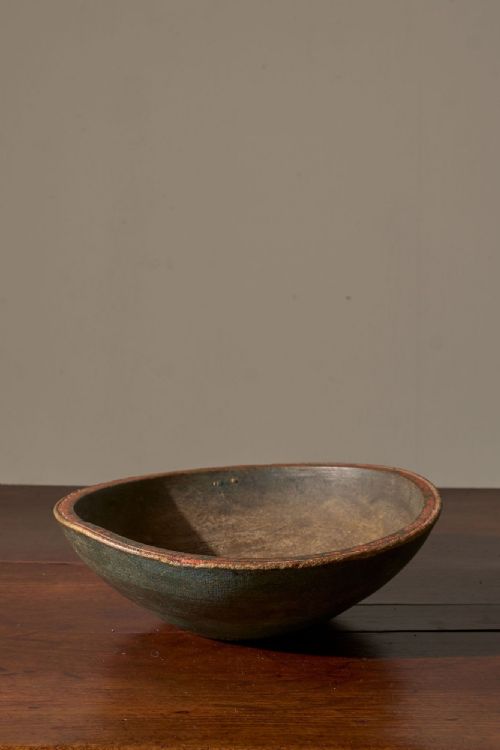
The primary technique involved hollowing solid logs or blocks by hand, leaving tool marks that reveal the rhythm of the maker's chisel or gouge. Surface finishes range from natural hand polished wood to original paint and rich patinas developed through generations of domestic use.
Hand Carved Wooden Bowl Retail Price Guide 2026
Typical asking prices for hand carved wooden bowl among the pieces listed under this phrase on Sellingantiques today, from the lower quarter to the upper quarter. They describe what is for sale here now, not the wider market.
The listings span from the eighteenth century through the twentieth century, featuring sycamore, oak, olive wood, and painted finishes.
Assessing quality and character
Quality in these pieces rests in the integrity of the timber, the depth of the patination, and the honesty of the hand carving. A superior vessel displays harmonious proportions and tool work that respects the grain of the wood without excessive modern intervention.
Wear and age add distinct character, but the finest examples retain their structural stability alongside signs of heavy period use. The presence of original paint, rich surface patinas, and regional vernacular details elevate a standard utilitarian object into a notable piece of folk art.
The Hand Carved Wooden Bowl Glossary
- Treen
- Small handmade wooden domestic objects. This term encompasses everything from spoons and bowls to scoops carved before the advent of mass production.
- Dough bowl
- A large vessel used historically for kneading bread dough. These are typically deep, heavy, and shaped from a single block of timber.
- Dairy bowl
- A wide, shallow wooden vessel used in traditional dairies for setting milk to cream. Sycamore was frequently chosen for this purpose due to its clean grain.
- Patina
- The surface sheen and colour developed on wood over decades of handling and cleaning. A rich patina indicates age and regular use.
- Liege bowl
- A specific regional style of carved wooden bowl originating from European traditions. These pieces often feature robust proportions and decorative carving.
Hand Carved Wooden Bowl: Frequently Asked Questions
What were wooden bowls originally used for?
These vessels served essential domestic and agricultural functions, ranging from kneading bread dough and setting dairy milk to holding fruit and serving food.
Many pieces were made for daily farm work, while others functioned as decorative centrepieces in European and international homes.
How do I care for a antique wooden bowl?
Keep wooden vessels away from direct heat sources and dramatic changes in humidity to prevent the timber from splitting or warping.
Clean them gently with a dry or barely damp cloth, avoiding prolonged contact with water and harsh detergents.
How can I tell the age of a wooden bowl?
Age is determined by observing the tool marks left by the maker, the type of timber used, and the depth of the surface patina.
Earlier pieces often display the irregularities of hand gouging and centuries of wear, whereas twentieth century items show different finishing techniques.
What is treen?
Treen refers to small, functional wooden objects made for the home before the era of modern manufacturing.
This category includes items like scoops, ladles, dairy bowls, and platters carved from native hardwoods.