


Antique Treen Bowl
When you handle an antique treen bowl, you hold domestic utility turned on a lathe or dug out by hand from timber.
Antique Treen Bowl
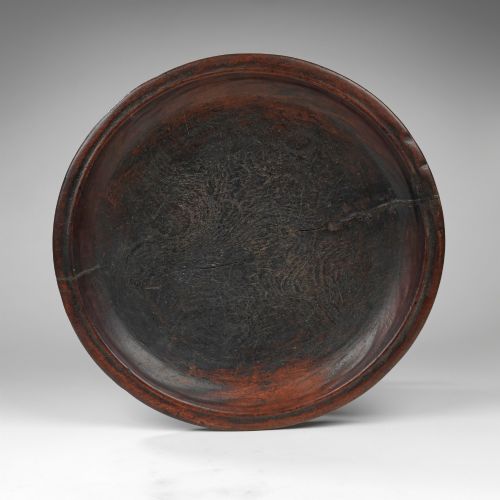
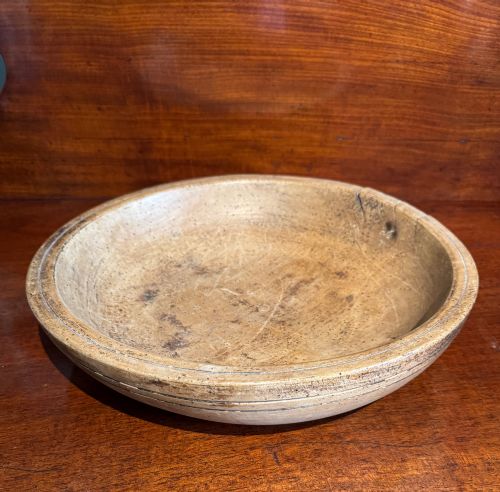
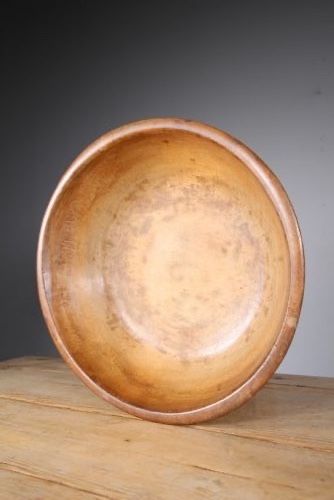
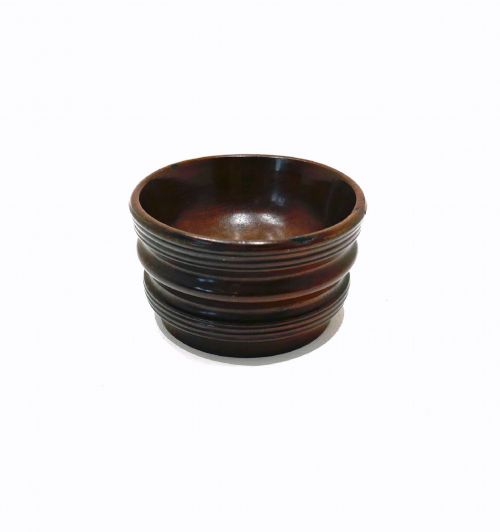
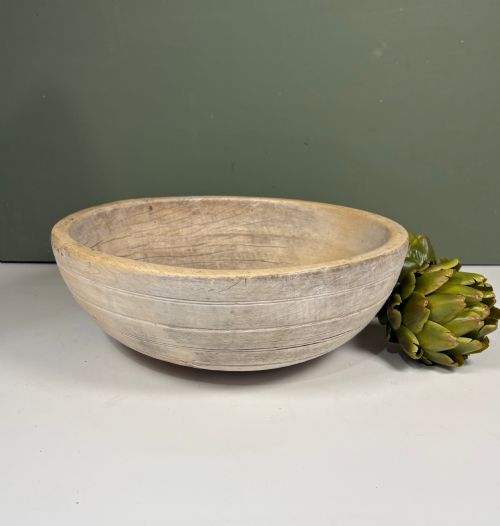
An antique treen bowl encompasses turned and carved wooden vessels created for domestic, dairy, and kitchen use across the eighteenth and nineteenth centuries. Buyers frequently encounter pale sycamore dairy bowls from English, Welsh, and French rural workshops alongside deeper fruitwood serving pieces.
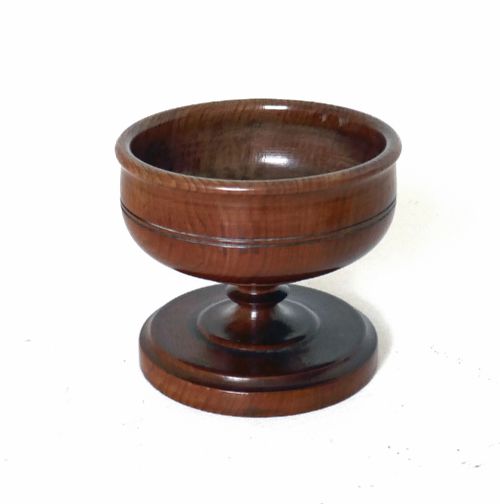
The form ranges from small turned table salts and spice pots to large dug-out dough bowls and shallow platters intended for daily work. Regional variations display specific domestic habits, such as Welsh sycamore egg bowls and Scandinavian ceremonial vessels.
Makers shaped these utilitarian objects from native hardwoods to withstand heavy handling in farmhouses and dairies. Surviving examples retain the tool marks and functional wear of their working lives.
How they were made
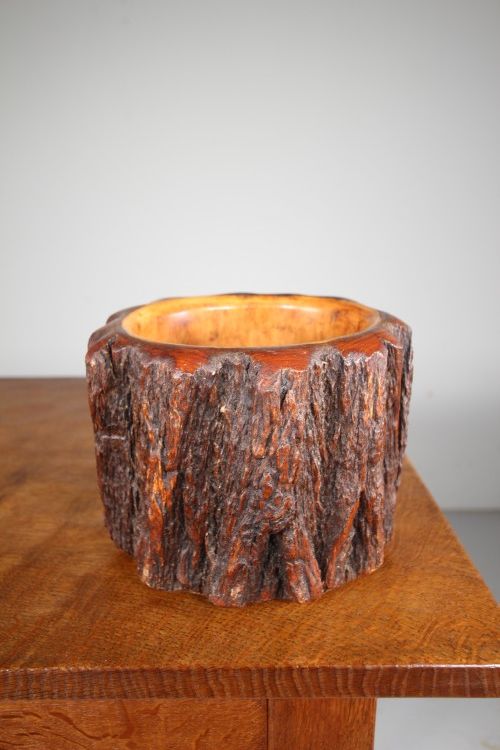
Woodturners shaped bowls on lathes using green timber such as sycamore, fruitwood, elm, and yew, allowing the wood to warp naturally as it dried. Craftsmen also dug out dense woods like lignum vitae and walnut by hand for mortars and heavy containers.
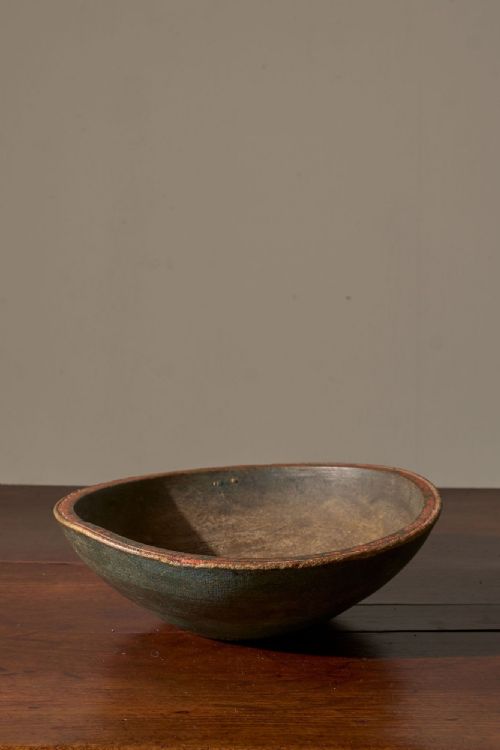
Selected pieces incorporate turned stems, raised bases, or fitted brass rims to reinforce the timber. Surface treatments rely on natural oils, repeated scrubbing in dairy use, or occasional painted decoration rather than heavy modern finishes.
Antique Treen Bowl Retail Price Guide 2026
Typical asking prices for treen bowl among the pieces listed under this phrase on Sellingantiques today, from the lower quarter to the upper quarter. They describe what is for sale here now, not the wider market.
What varies in quality
Quality rests in the balance of the turning, the wall thickness, and how cleanly the timber was selected from the burl, root, or straight grain. Finer examples display crisp turning rings and harmonious proportions without excessive distortion from shrinkage.
The surface skin defines the appeal of a piece, where decades of handling produce a warm, tactile patina. Lesser examples suffer from unsympathetic repairs or excessive sanding that removes the historical evidence of use.
The Antique Treen Bowl Glossary
- Treen
- Small handmade wooden domestic objects. The term derives from the Middle English word for tree.
- Dairy bowl
- A wide, shallow wooden vessel used for setting milk and skimming cream. These typically feature pale sycamore construction to maintain hygiene.
- Patina
- The surface sheen and colour developed through age, handling, and regular washing. This finish cannot be artificially replicated with modern polishes.
- Lignum vitae
- A dense, heavy heartwood sourced from tropical trees, frequently utilised for mortars and heavy turned bowls. Its natural oils make it exceptionally resistant to splitting.
- Adzed
- Shaped or trimmed with an adz, a cutting tool similar to an axe with a curved blade transverse to the handle.
Antique Treen Bowl: Frequently Asked Questions
What were antique treen bowls used for?
These vessels served practical functions in rural kitchens, dairies, and dining rooms for tasks ranging from kneading dough to setting milk and holding salt.
Households relied on wooden containers because timber was durable, kinder to blades than stone or metal, and readily available locally.
How do I clean an antique treen bowl?
Dust the surface gently with a dry cloth and avoid submerging the wood in water or exposing it to sudden temperature changes.
Applying a light coat of neutral beeswax occasionally helps maintain the moisture in the timber and protects the historic patina.
How can I tell the wood type?
Sycamore appears pale and creamy with fine grain, whilst fruitwood shows warmer reddish-brown tones and elm displays a distinctive interlaced grain structure.
Examining the weight and density also helps distinguish heavy hardwoods like lignum vitae from lighter domestic timbers.
Are these bowls food safe?
Most antique treen bowls absorbed fats, liquids, and ingredients over centuries of active service in farmhouses and dairies.
Modern buyers generally use them for dry presentation, such as fruit or potpourri, rather than liquid foods.