




19th Century Dairy Bowl
A 19th century dairy bowl offers honest utility through time-worn timber and glazed earthenware shaped for practical kitchen tasks.
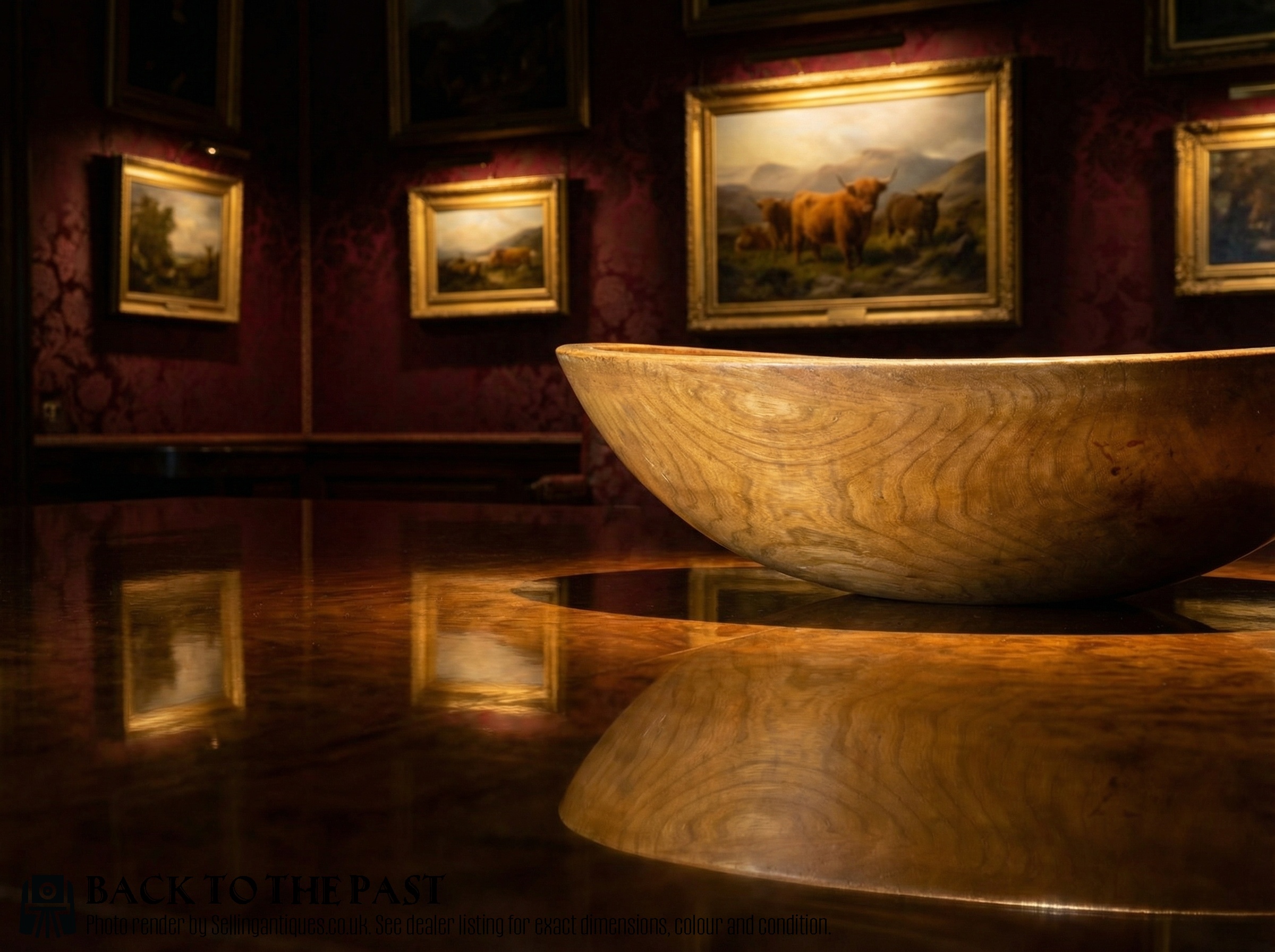
19th Century Dairy Bowl
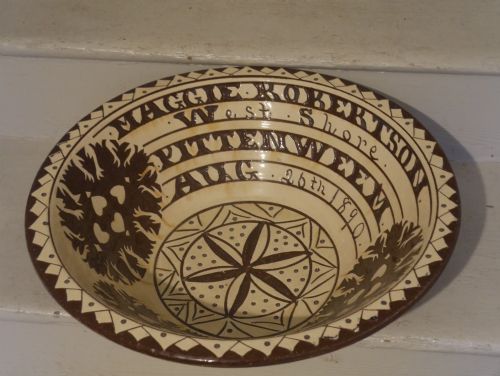
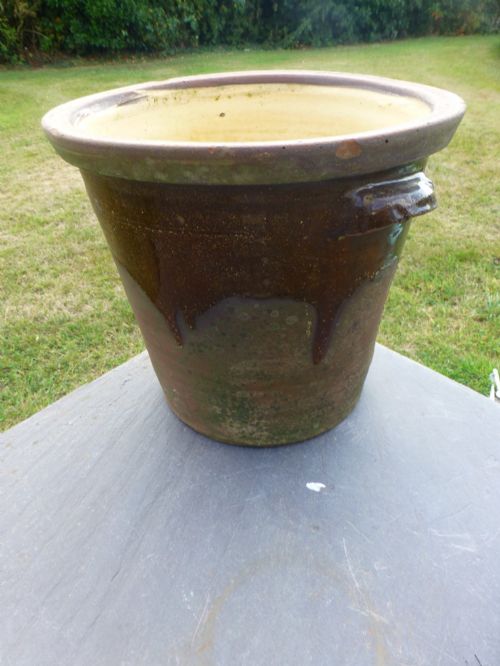
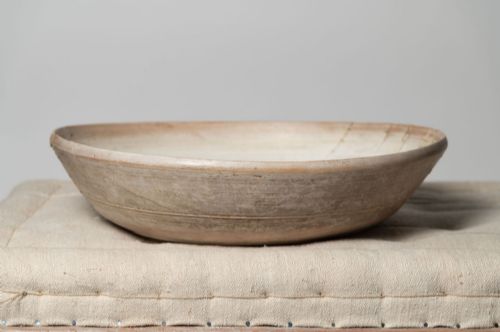
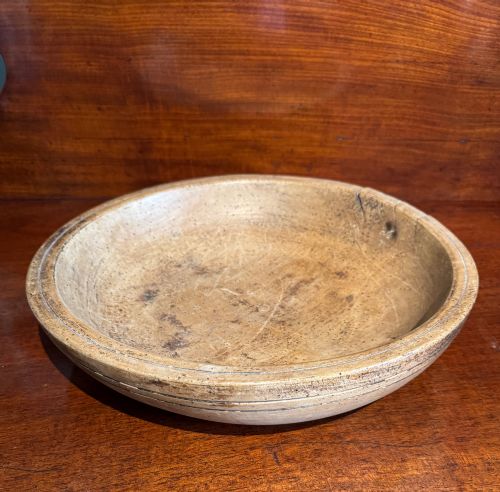
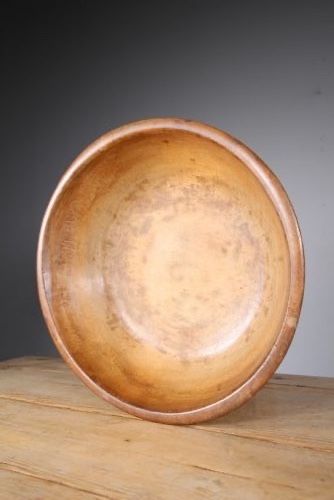
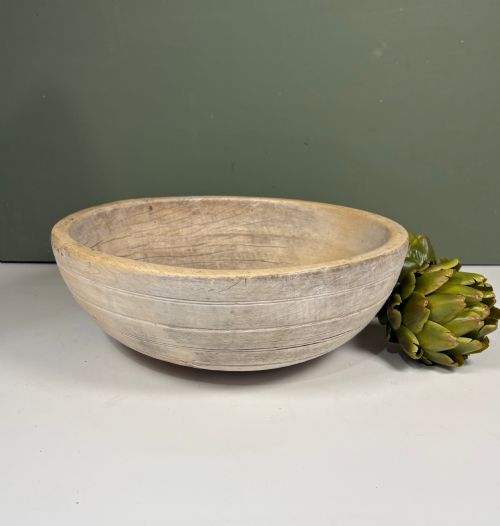
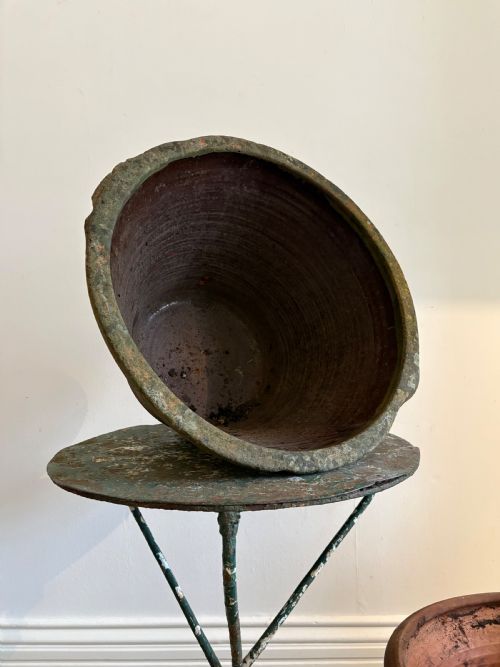
When you search for a 19th century dairy bowl, you encounter deep vessels fashioned primarily from sycamore wood or terracotta earthenware. These pieces originated in farmhouses and dairies across England, Wales, Scotland, Sweden and France for daily milk setting and cream separation.
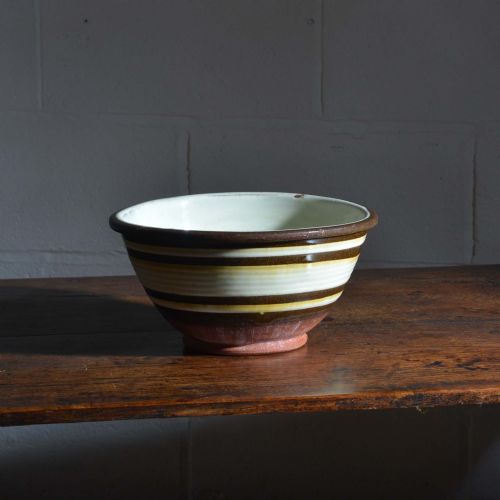
The wooden examples appear mostly in sycamore, sometimes bound in brass, while the ceramic versions showcase slip glazes and terracotta bodies. You meet both deep turned timber forms and wide glazed earthenware vessels designed to hold substantial volumes.
Timber turning and ceramic glazing
Makers turned the wooden dairy bowls from green sycamore on a lathe, allowing the timber to dry and warp slightly into organic oval shapes over decades of use. This wood choice prevented splitting while resisting moisture during regular washing.
Potters shaped the earthenware and terracotta bowls by hand or on a wheel, applying internal slip glazes to create a non-porous surface. This glaze contained the liquids securely while leaving the exterior matte and raw.
Sycamore wood dominates the wooden listings, complemented by occasional examples in elm, pine, and brass-bound timber.
Surface character and structural integrity
Quality rests in the depth of the timber grain, the warmth of the natural patina, and the preservation of original paint surfaces. Bowls retaining their tool marks and untouched wooden depth command greater appreciation than heavily sanded alternatives.
For ceramic pieces, the integrity of the glazed interior and the crispness of any maker mark separate standard utility vessels from notable examples. Terracotta and slipware quality depends on uniform firing and minimal kiln distortion.
Scottish Seaton Pottery·Doulton·Copeland
The 19th Century Dairy Bowl Glossary
- Sycamore
- A dense hardwood traditionally favoured by turners for dairy utensils because it imparts no taste to milk and resists splintering.
- Terracotta
- Fired unglazed red earthenware used for heavy utility vessels that needed porous breathability or dense structural strength.
- Slip glaze
- A liquid clay mixture applied to the interior of earthenware pots before firing to create a smooth, waterproof surface.
- Patina
- The deep surface sheen and colour developed on wood through generations of handling, washing, and natural ageing.
19th Century Dairy Bowl: Frequently Asked Questions
What was a dairy bowl used for?
These vessels served primarily to hold raw milk so the cream could rise to the surface for skimming. Farm workers also utilised them for general mixing and food preparation in country kitchens.
Over decades of domestic labour, the timber absorbed dairy fats while the earthenware contained liquids safely. Their wide, stable bases prevented tipping during heavy daily use.
Are earthenware dairy bowls waterproof?
The interior slip glaze provides a functional seal for holding liquids or displaying plants indoors. The exterior terracotta body remains porous and can absorb moisture from damp surfaces.
Placing a protective mat underneath ceramic bowls prevents moisture rings on wooden furniture. This allows safe daily display in modern living spaces.
How can I tell English from continental bowls?
English and Welsh examples often utilise native sycamore with deep turned walls, while French and Swedish pieces frequently display distinct regional turning profiles. Ceramic bowls from specific potteries bear distinct glazes and occasional stamps.
Examining the wood species alongside the turning marks reveals the likely geographic origin. Local timber traditions guided makers in each specific country.