




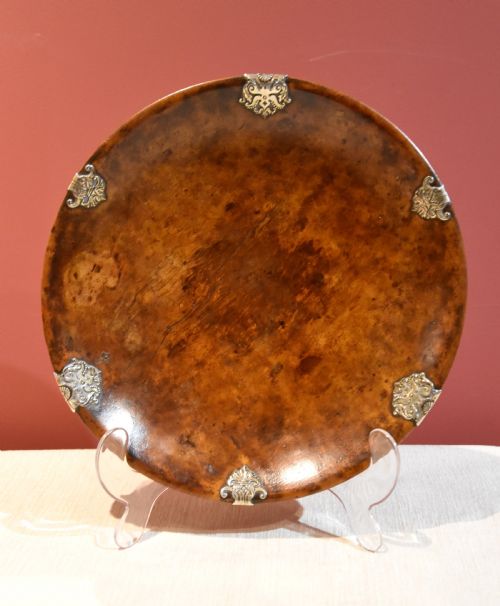


Carved Wooden Bowl
These carved wooden bowl examples span centuries of domestic utility and decorative craft, offering tactile warmth and organic character to any interior.
Carved Wooden Bowl
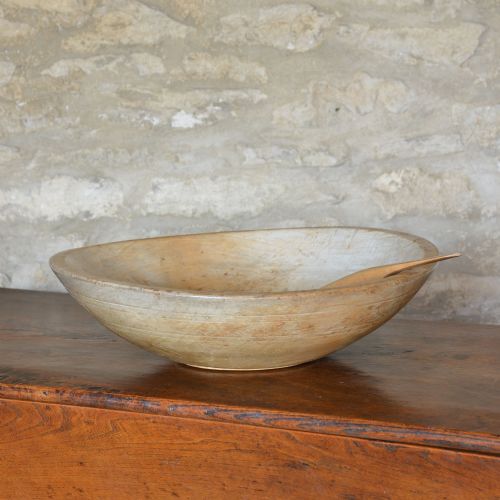
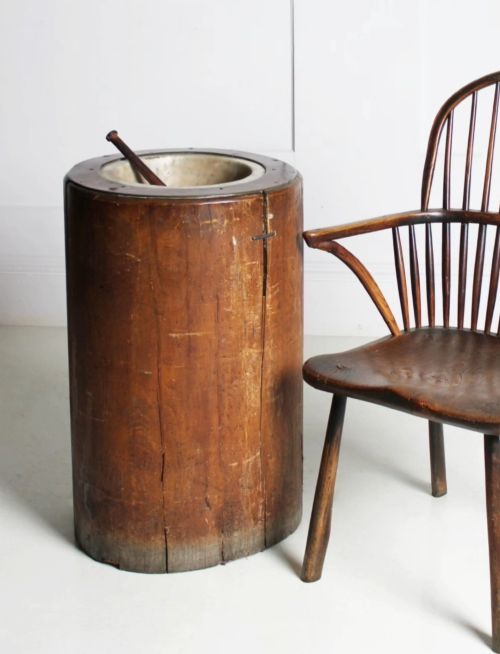
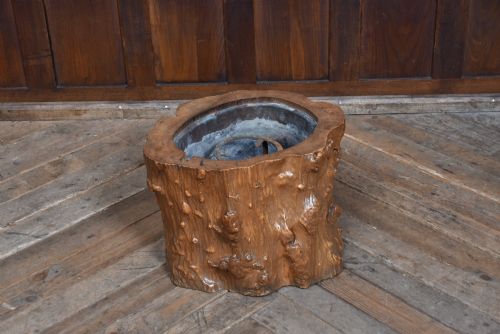
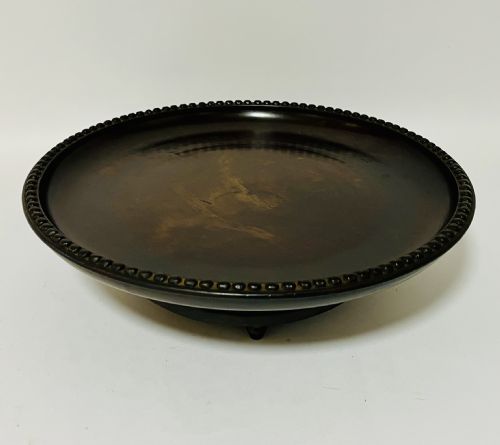
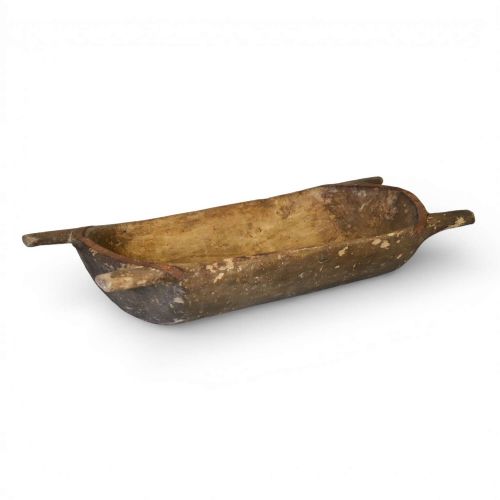
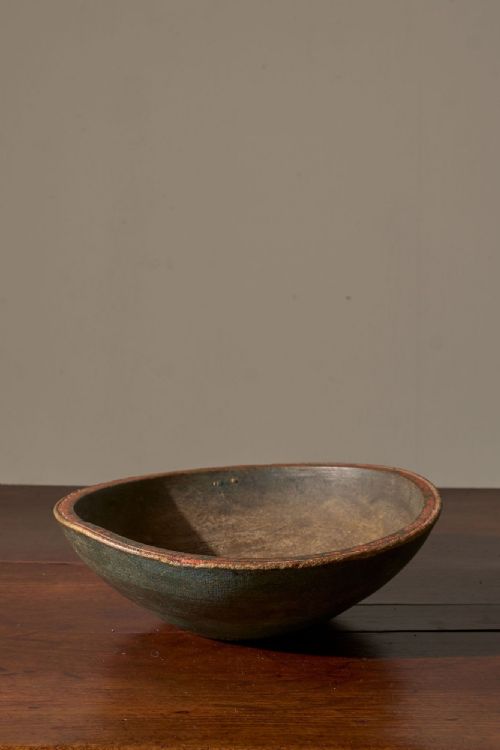
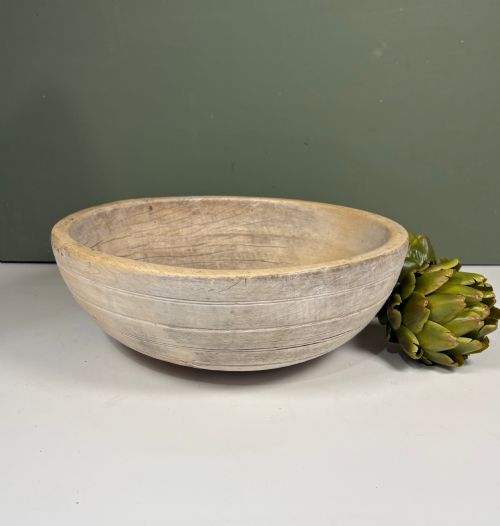
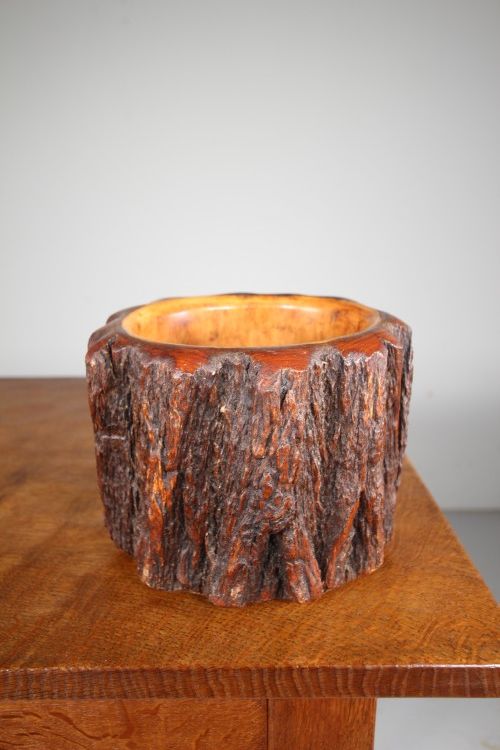
When you search for a carved wooden bowl, you encounter functional domestic vessels and decorative items shaped from timber across various historical periods. The selections span utilitarian dairy bowls, dough bowls, and mortars alongside decorative centrepieces.
The versions most frequently met on this page include nineteenth-century sycamore dairy vessels, twentieth-century carved fruit bowls, and rustic continental kitchen pieces. These objects bridge the gap between practical kitchen implementation and traditional folk art display.
Origins stretch from English and Welsh country workshops to French farmhouses, Scandinavia, and Japanese interiors. Each regional typology reflects specific local timbers and domestic habits of past centuries.
Materials and construction
Makers utilised dense hardwoods such as oak, sycamore, walnut, olive wood, and elm, selecting timber for its grain and resilience. Sycamore proved particularly favoured for dairy vessels due to its clean properties and resistance to splitting.
Articles were shaped using traditional hand tools, turning on lathes or digging out solid blocks of timber to form robust vessels. Surface finishing relied on natural polishing through use, oils, and occasionally paint or carved ornamentation such as fruiting vines.
Listings feature items spanning from the seventeenth century through the 1930s, constructed in oak, sycamore, walnut, and olive wood.
Gradations of quality
Quality rests upon the harmony between timber selection, tool work, and the preservation of original surfaces. Superior examples display confident, unhesitating carving and balanced proportions that respect the natural movement of the wood.
Patina and depth of surface wear separate exceptional survivals from routine pieces. The best items retain their structural integrity while showing the soft lustre gained from generations of handling.
The Carved Wooden Bowl Glossary
- Treen
- Small handmade wooden objects for domestic use. This category encompasses items ranging from dairy bowls to spice towers and small containers.
- Sycamore
- A light-coloured hardwood commonly utilised for dairy and kitchen vessels. Its fine grain resists absorbing liquids and fats.
- Patina
- The surface sheen and colour developed through age and handling. A rich patina indicates decades or centuries of use and care.
- Dug out bowl
- A vessel hollowed entirely from a single solid block of timber rather than assembled from staves. This method demands significant labour and skill from the maker.
Carved Wooden Bowl: Frequently Asked Questions
How were these bowls originally used?
These vessels served diverse practical functions in domestic and rural life, from kneading dough and skimming dairy to holding fruit or serving communal meals.
Over time, many utilitarian objects transitioned into decorative items, valued for their texture and historical connection to domestic labour.
How do I care for antique wood?
Keep wooden pieces away from direct sunlight, intense heat sources, and rapid humidity changes which can cause timber to split or warp.
Clean surfaces gently with a dry or barely damp cloth, avoiding harsh detergents and excessive moisture that might strip the natural finish.
What woods appear most often?
Sycamore, oak, walnut, and elm form the majority of surviving examples, chosen for their local availability and structural strength.
Different regions utilised specific native timbers, which helps identify the geographical origin of unlabelled pieces.
Can I still use these for food?
While many retain their structural soundness, historical items often feature dry surfaces, historic repairs, or finishes unsuited to modern hygiene standards.
Displaying them as decorative objects or dry containers preserves the fragile historical surface and prevents damage to the timber.