

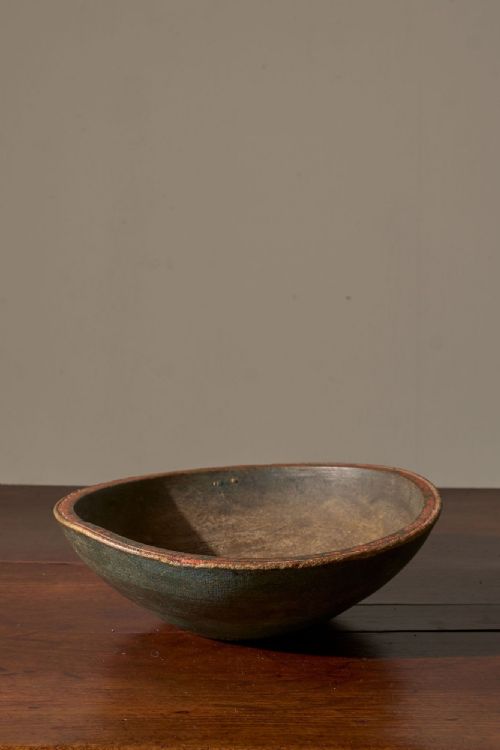


Rustic Wooden Dough Bowl
A rustic wooden dough bowl brings centuries of utilitarian warmth and tactile charm into a modern interior.
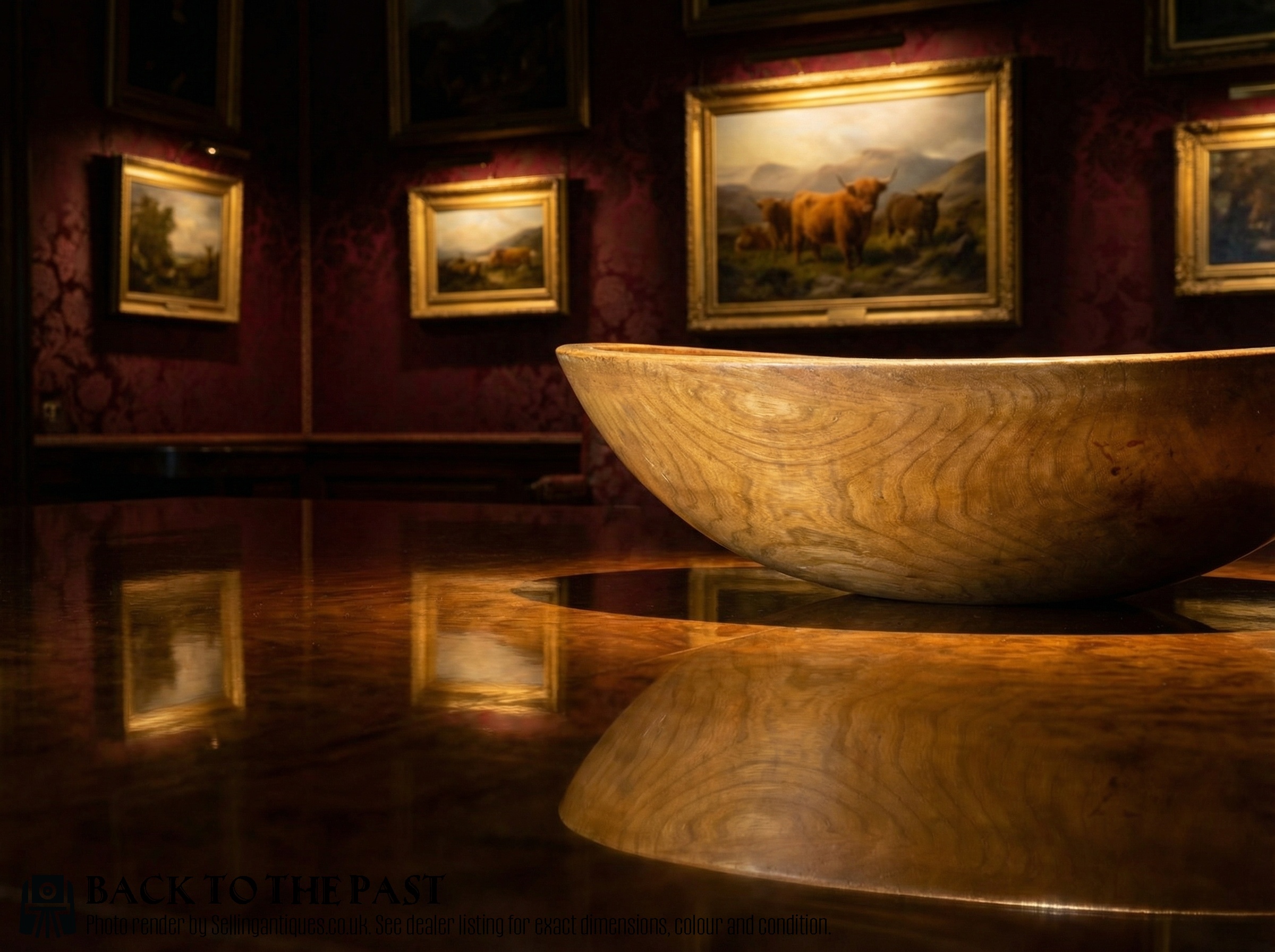
Rustic Wooden Dough Bowl
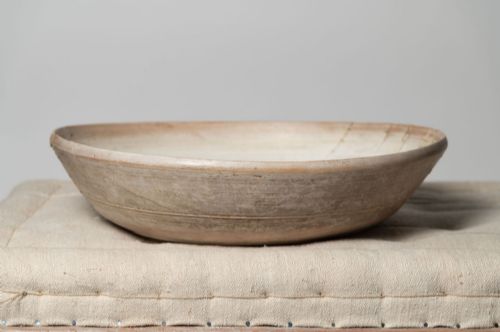
A rustic wooden dough bowl is a traditional vessel originally formed for domestic preparation, encompassing dairy bowls, kneading troughs, and treen dishes. When searching for a rustic wooden dough bowl, buyers encounter forms originating from English, French, Swedish, and Indian traditions spanning the eighteenth, nineteenth, and early twentieth centuries. These vessels served practical agricultural and culinary purposes before finding new life as decorative display objects.
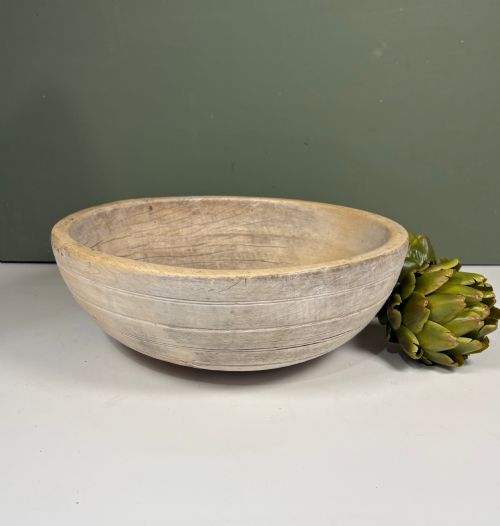
The pieces present on this page lean heavily towards nineteenth-century origins, alongside notable eighteenth-century and early twentieth-century examples. Common stylistic descriptors include Scandinavian country, rustic farmhouse, French country, and Indian folk art. Buyers will frequently meet generous proportions designed for kneading or dairy work, often described simply as treen bowls or large carved platters.
How they were made
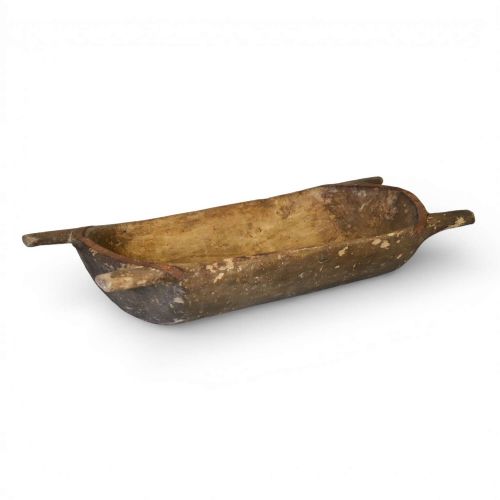
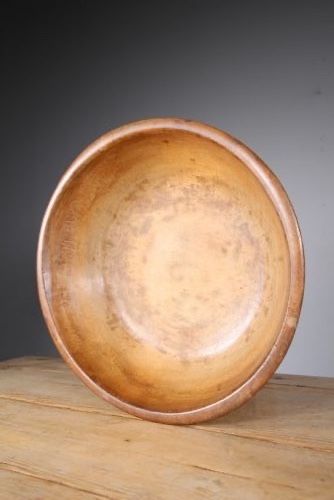
These items are shaped from solid timbers including pine, sycamore, birch, and shisham wood, often worked as dug-out constructions from a single log. Makers utilised traditional hand-carving techniques to hollow out the timber, leaving the exterior walls with visible tool marks and organic contours. Sycamore proved particularly favoured for dairy use due to its dense, closed grain.
Surface treatments vary from bare polished wood displaying rich patinas to historical painted finishes. Some examples incorporate iron elements or retain traces of old colour, while others rely entirely on hand-polished timber surfaces developed through decades of domestic handling and use.
Many of these bowls spent decades holding dairy cream or bread dough before retiring to a life of quiet contemplation on a sideboard.
What varies in quality
Quality in these vessels is defined by the integrity of the timber, the depth and warmth of the patination, and the honesty of the surface wear. Superior examples display balanced proportions from being dug directly from the log without excessive distortion or poorly managed shrinkage. The distinction between ordinary utility items and finer examples rests in the tactile smoothness of the interior and the retention of original historical finishes such as old paint.
Provenance and regional character also dictate distinction, with specific Continental and Scandinavian forms exhibiting characteristic regional turning or carving traits. The visual appeal relies on the harmony between natural grain patterns and the accumulated marks of historical domestic labour, rather than clinical perfection.
The Rustic Wooden Dough Bowl Glossary
- Treen
- Small handmade wooden domestic utensils and treenware objects. This term covers everything from bowls and spoons to platters shaped for household tasks.
- Patina
- The deep surface sheen and colour developed over decades through handling, waxing, and ageing. A desirable patina shows genuine tactile history rather than artificial polish.
- Dug-out
- A construction method where a single solid block of timber is hollowed out to form a vessel. This technique avoids joins and produces strong, unified forms.
- Dairy bowl
- A wide, shallow wooden vessel historically employed in farm dairies for setting milk and skimming cream. Sycamore was frequently chosen for these vessels.
Rustic Wooden Dough Bowl: Frequently Asked Questions
What were wooden dough bowls used for?
These vessels were designed for heavy domestic tasks such as kneading bread dough, mixing ingredients, or setting milk in farm dairies. Their wide, open forms allowed cooks and dairy workers to manipulate large quantities of produce efficiently.
Over time, timber absorbed natural oils from the materials handled within them, contributing to the rich patination seen on surviving historical examples today.
How do I date a rustic wooden bowl?
Dating relies on observing tool marks, wood species, and the nature of the wear across the timber. Eighteenth-century and nineteenth-century examples often exhibit hand-carved surfaces and distinct regional turning characteristics.
Later pieces from the early twentieth century generally show slightly different handling of the timber and less extensive patination compared to their earlier counterparts.
Can I use an antique bowl for food?
While historical vessels were created for culinary and agricultural work, antique pieces are primarily treated as decorative items today. The dry timber and historical surfaces require careful handling rather than heavy daily kitchen use.
Displaying them empty or using them for dry presentation preserves the fragile historical patinas and prevents moisture damage to the old wood.
How should I clean a wooden bowl?
Maintenance requires only a gentle dusting with a soft, dry cloth to remove particles. Water and harsh modern detergents should be strictly avoided, as moisture strips the natural oils and historical patinas from the timber.
Applying a light coat of appropriate neutral wax occasionally helps protect the dry surface without altering the appearance of the old wood.