
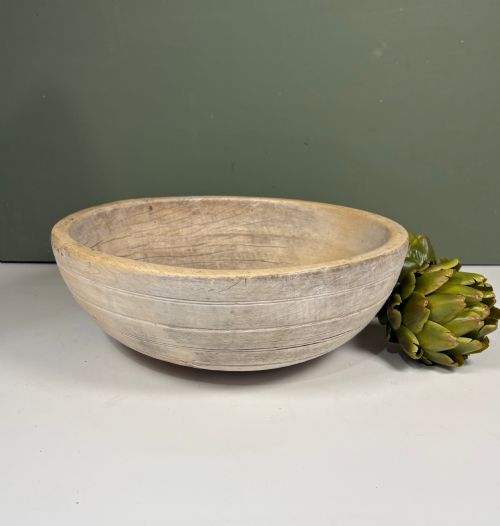


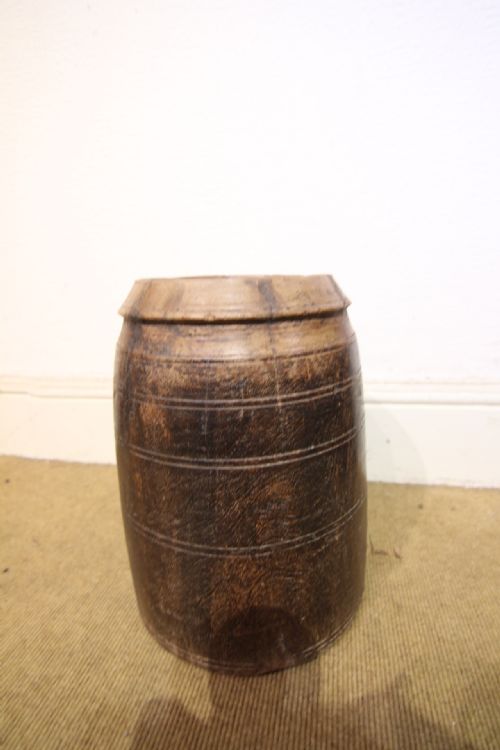


Hand Turned Wooden Vessel
These hand turned wooden vessel examples bring warmth and tactile history into a room through honest lathe work.
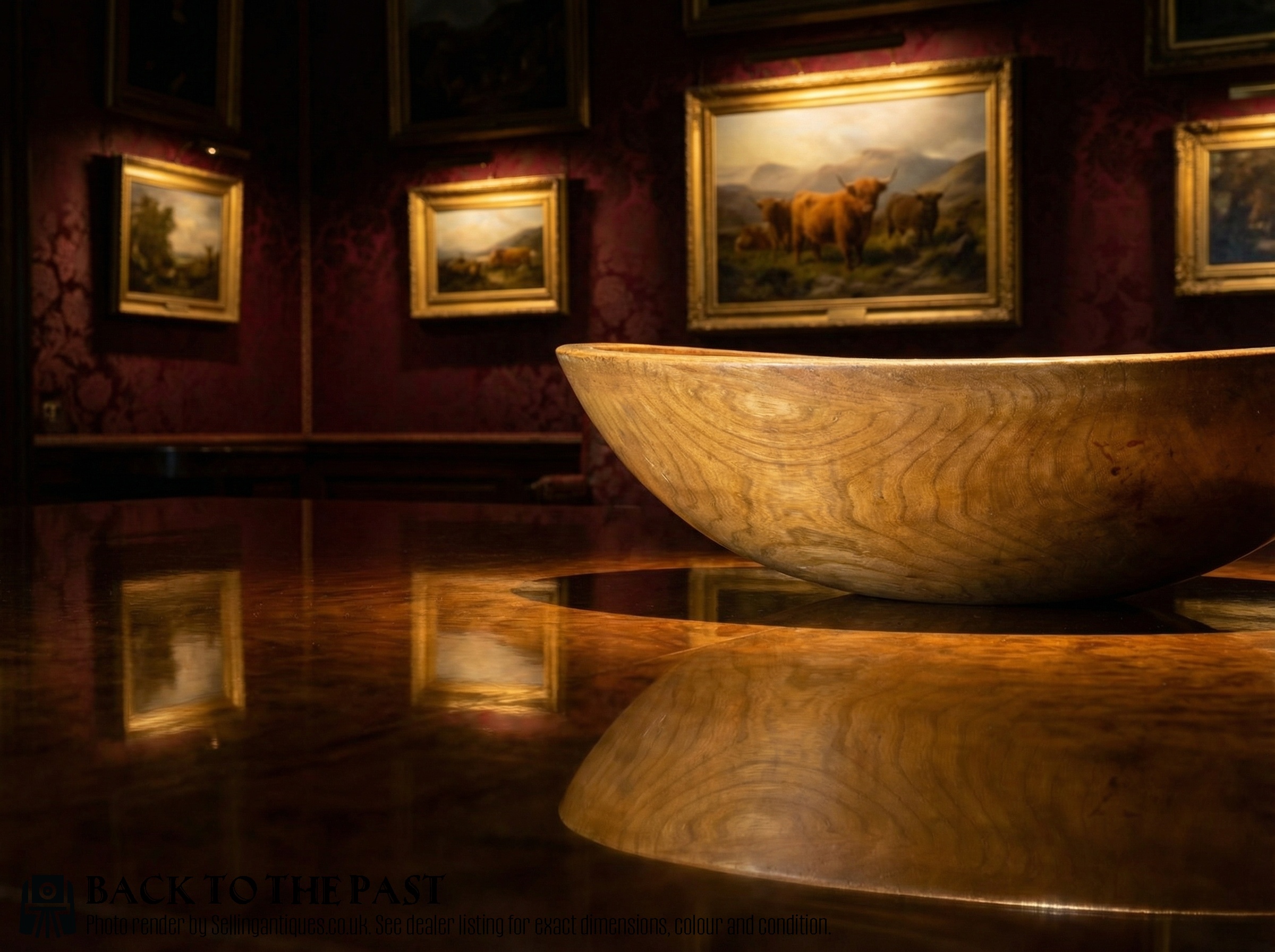
Hand Turned Wooden Vessel
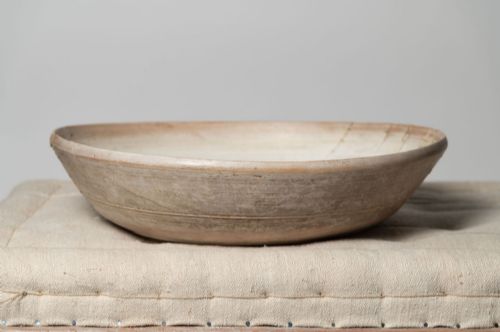
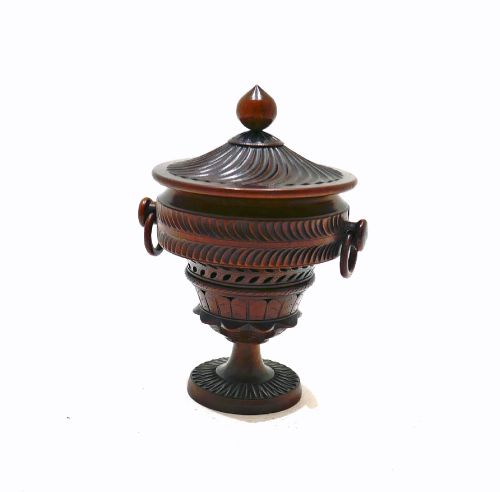
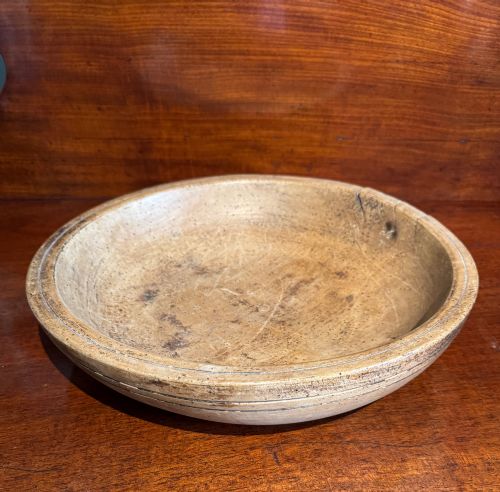
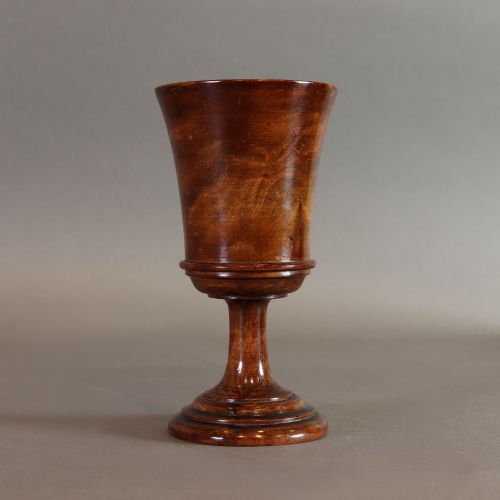
A hand turned wooden vessel is a utilitarian or decorative object shaped on a lathe from various timbers, encompassing forms like dairy bowls, lidded cups, goblets, mortars, and vases. When you search for a hand turned wooden vessel on this page, you meet pieces ranging from rustic kitchenalia to early utility wares.
The selections span periods from the mid-eighteenth century through the nineteenth and twentieth centuries, reflecting styles such as Scandinavian Country, French Provincial, and Georgian. Sycamore dairy bowls and fruitwood pieces appear frequently among these domestic and decorative items.
Materials and construction
Makers utilised simple turning techniques to hollow out bowls, mortars, and vessels from green or seasoned timber, leaving tool marks and grain patterns that record the speed and direction of the lathe.
Object forms represented in the current selection include dairy bowls, pedestal goblets, spice mortars, lidded cups, and vases.
Assessing quality
Quality rests in the balance of the walls, the crispness of the turning lines, and the condition of the timber surface over centuries of use. Finer examples retain an even thickness and a warm, handled patina without excessive distortion.
The choice of dense fruitwoods or figured sycamore elevates certain goblets and dairy bowls above standard utility pine and primitive items, showing greater attention by the turner to the natural grain.
The Hand Turned Wooden Vessel Glossary
- Treen
- Small handmade wooden domestic objects produced before the advent of modern plastics. This category includes items like dairy bowls, spice grinders, and goblets.
- Sycamore
- A dense, light-coloured hardwood traditionally favoured by turners for dairy bowls and kitchenalia because it resists splitting and does not impart flavours to food.
- Dairy bowl
- A wide, shallow wooden basin used historically in farming households for setting milk and skimming cream. These vessels often exhibit deep interior wear from regular scrubbing.
- Fruitwood
- A collective term for timbers from fruit-bearing trees such as pear, apple, or plum. Turners valued these dense woods for small decorative items and lidded cups.
- Mortar and pestle
- A heavy bowl and club-shaped tool used for grinding and crushing spices or herbs. Wooden variants appear frequently in kitchenalia collections.
Hand Turned Wooden Vessel: Frequently Asked Questions
What is a treen vessel?
A treen vessel is a small turned wooden item made for domestic use before mass production began. These pieces include dairy bowls, spice mortars, and drinking goblets.
They were carved on lathes from local hardwoods and valued for their durability and everyday utility in the home.
How were dairy bowls used?
Dairy bowls were used on farms to hold freshly milked milk while the cream rose to the top for skimming. Their broad, shallow shape made it easy to gather the cream.
After use, dairy workers scrubbed the sycamore wood clean, which contributed to the pale surfaces and soft edges seen today.
How do I care for antique turned wood?
Antique turned wood requires stable indoor humidity away from direct heat sources and strong sunlight. Sudden temperature changes cause timber to shrink and split.
Apply a light coat of natural beeswax occasionally to nourish the dry surface and maintain the historic patina without sealing the pores.
How can I tell the period of a turned vessel?
The period is indicated by the turning style, tool marks left on the underside, and the specific timber used. Georgian pieces often display classical pedestals, while primitive country items show heavier tool work.
Examining the wear patterns and the type of wood helps narrow down the century of manufacture.