

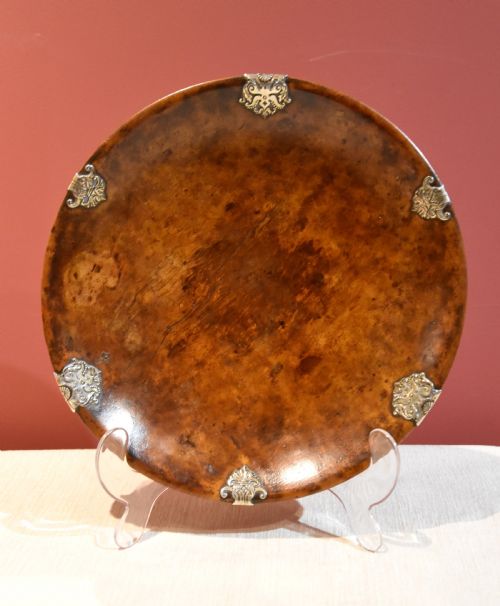


Antique Wooden Trencher
An antique wooden trencher brings tactile warmth and historic utility to any modern interior, offering a direct link to centuries of rustic domestic life.
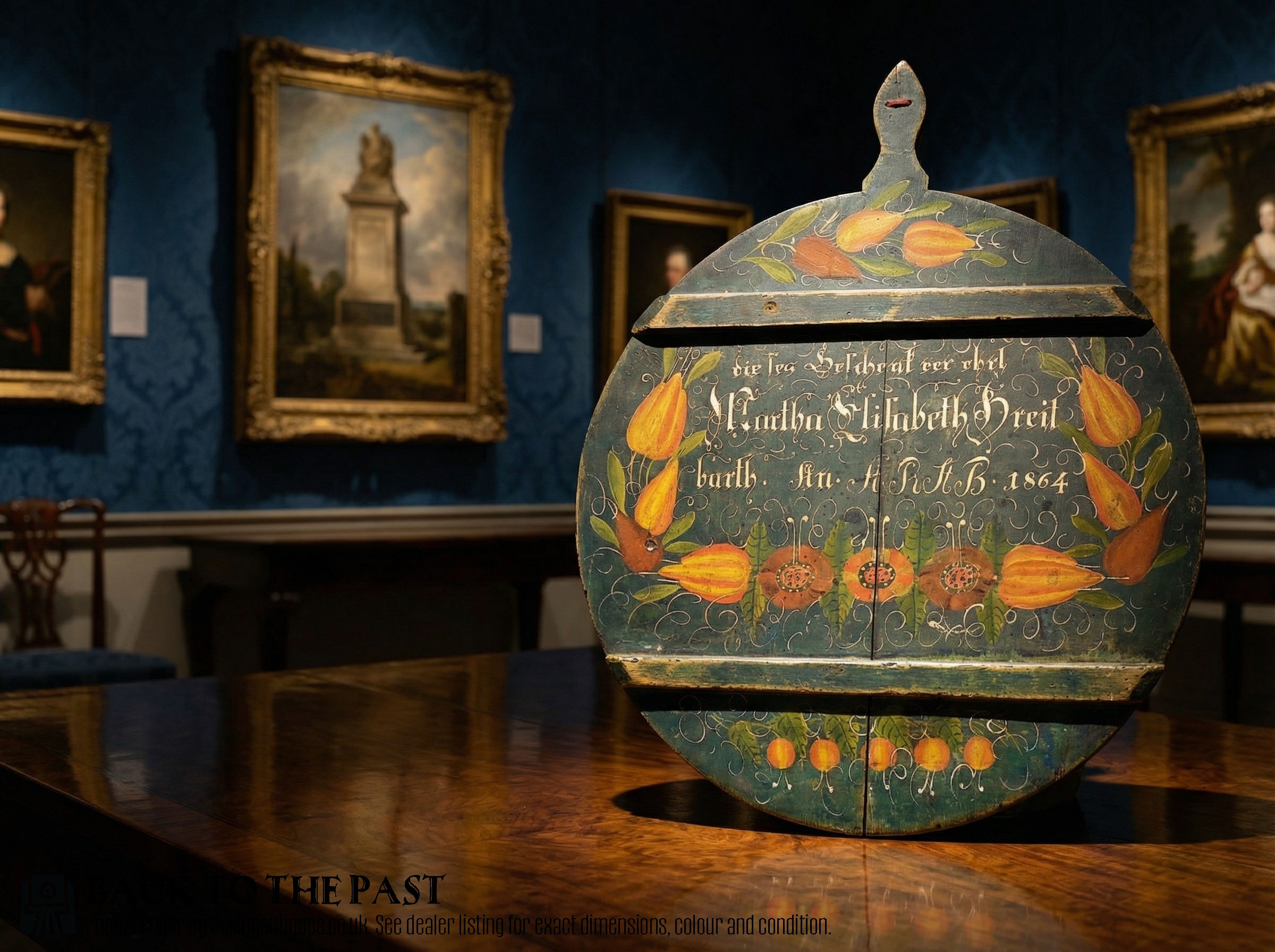
Antique Wooden Trencher
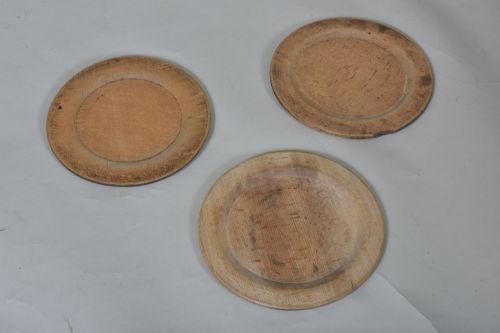
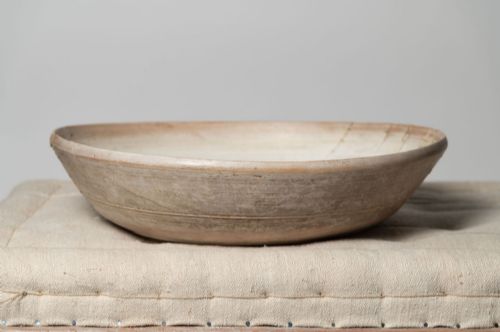
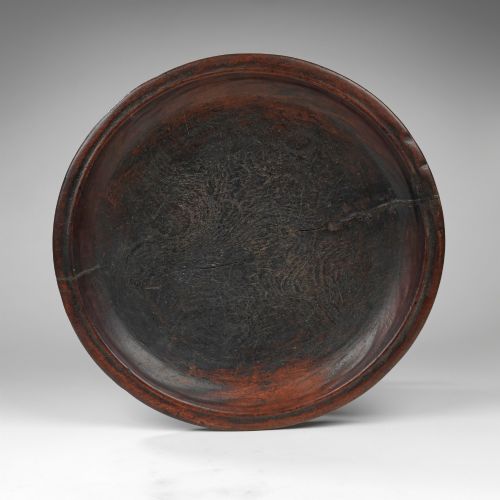
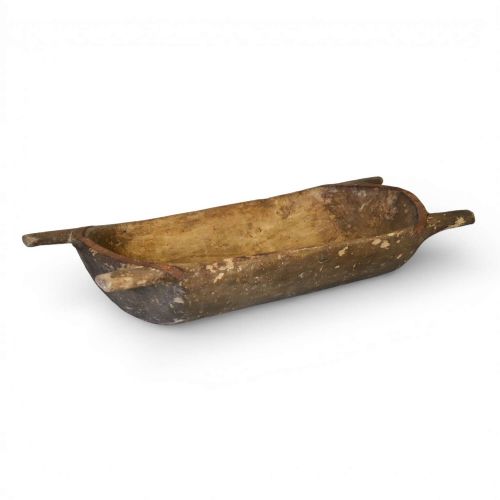
The search for an antique wooden trencher leads buyers directly to sturdy utilitarian vessels and serving boards that served a central role in historic domestic kitchens. These pieces span the Georgian era through the nineteenth century, reflecting robust craftsmanship rooted in everyday rural use. On this page, buyers are most likely to meet forms ranging from turned wooden bowls to cheese and bread boards.
Originating from British workshops and Scandinavian country traditions, these items embody straightforward folk art design. The material record includes pine and other seasoned timbers shaped for the practical demands of food preparation and dairy work. Each object carries the honest marks of its former working life, prized today for display and simple functional service.
Materials and construction methods
Makers shaped these utilitarian objects from dense native timbers, utilising traditional turning lathes and hand tools to achieve balanced, functional forms. Pine and assorted hardwoods provided the necessary durability for heavy daily kitchen tasks such as kneading dough and preparing dairy products.
Surfaces often retain traces of historic paint finishes, showing how rural craftspeople protected and personalised their utilitarian wares. Iron reinforcements occasionally appear on structural joints or repairs, highlighting the practical measures taken to extend the working life of a well-used board or bowl.
Antique Wooden Trencher Retail Price Guide 2026
Typical asking prices for wooden trencher among the pieces listed under this phrase on Sellingantiques today, from the lower quarter to the upper quarter. They describe what is for sale here now, not the wider market.
Listings feature items spanning the eighteenth century, the Georgian era, and the nineteenth century, constructed from pine, iron, and assorted timber.
Distinguishing quality across the range
Quality in these domestic objects rests upon the integrity of the original timber and the honesty of the surface patina. Pieces that retain their early painted finish or display crisp, well-balanced lathe turning stand apart from heavily altered examples.
The balance between functional wear and structural survival defines the upper tier of these pieces. An unblemished tool mark or a harmonious proportion reveals the hand of a skilled rural craftsman rather than hurried mass production.
The Antique Wooden Trencher Glossary
- Trencher
- A wooden board or bowl historically used for cutting and serving food before ceramic plates became common. These utilitarian items formed the bedrock of daily rural dining.
- Dairy bowl
- A specialised vessel utilised for settling milk and skimming cream in nineteenth century farmhouses. They are typically deep-sided and turned from a single piece of timber.
- Folk art
- Utilitarian objects shaped by regional craftspeople without formal academic training. This term describes the unpretentious, traditional aesthetic found in Scandinavian country pieces.
- Patina
- The surface sheen and colour acquired by wood through decades of handling, cleaning, and exposure to light. A good patina signifies genuine age and continuous use.
Antique Wooden Trencher: Frequently Asked Questions
What is an antique wooden trencher used for?
Historically, these sturdy wooden boards and bowls served as personal platters or communal cutting surfaces for preparing and serving daily meals in rustic households. Today, collectors utilise them as decorative fruit bowls, centrepieces, or display boards that add historic character to modern kitchens.
Their robust construction means they remain durable enough for light serving duties, though many owners prefer to display them to preserve their aged surfaces and historic painted finishes.
How do I date an antique wooden trencher?
Dating relies heavily on observing tool marks left by hand-powered lathes, the construction methods used for joints, and the composition of any historic paint layers. Pieces originating from the Georgian period often display distinct turning profiles compared to later nineteenth century examples.
Comparing the timber shrinkage and the nature of the surface patina provides further clues to a piece's age and regional origin, such as Scandinavian country workshops or British domestic settings.
How should I care for wooden trenchers?
Maintenance requires keeping the wood away from extreme temperature fluctuations and excessive moisture that could cause the historic timber to warp or split. Gentle cleaning with a dry or barely damp cloth preserves the original surface without stripping away accumulated patina.
Applying a neutral food-safe wax or oil can nourish dry pine and hardwood surfaces, maintaining their tactile quality and protecting the grain from further wear.
Are painted wooden bowls authentic?
Many regional pieces, particularly from Scandinavian country traditions, were routinely finished with durable lead-based or milk paints to protect the porous timber. Original paint finishes are highly valued by collectors because they survive in various states of wear that tell the story of the object's active life.
Examining the crackle, pigment composition, and integration of the paint into the wood grain helps distinguish genuine historic decoration from later surface applications.