




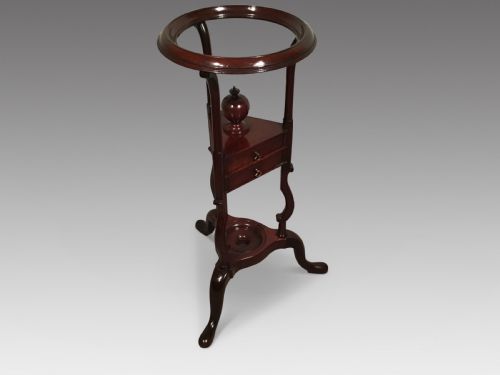


18th Century Wooden Bowl
An 18th century wooden bowl brings warmth and history to a room, offering tactile connection to Georgian domestic life through turned timber.
18th Century Wooden Bowl
When you search for an 18th century wooden bowl, you encounter turned domestic objects shaped from indigenous and imported timbers during the Georgian era. These utilitarian vessels served various household functions, from table service to food preparation.
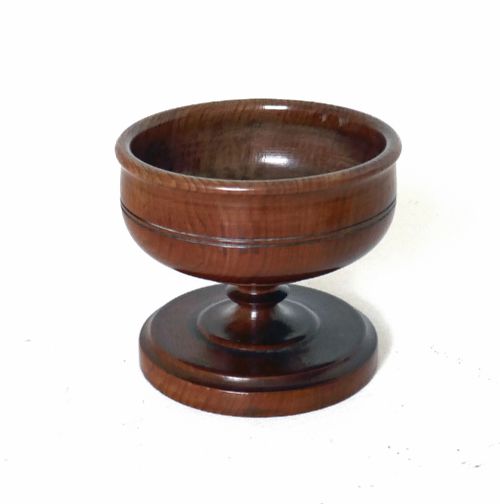
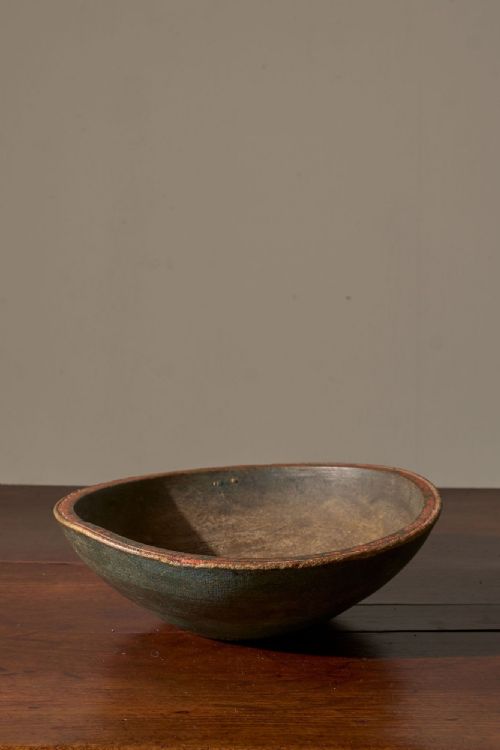
The versions most likely to appear on this page include turned salts in yew wood or laburnum, alongside painted Scandinavian country bowls. They reflect both English craftsmanship and continental rural traditions of the period.
How they were made
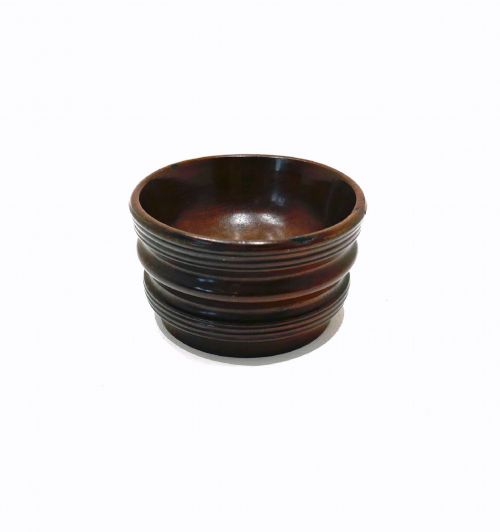
Turners shaped these pieces on lathes using seasoned hardwoods such as mahogany, yew wood, laburnum, and walnut. The selection of dense timber ensured stability for vessels destined for regular kitchen or dining table use.
Surface finishes range from natural polished grain to original paintwork, particularly on Scandinavian pieces. Brass or iron accents occasionally appear on related treen items like salt cellars and ladles.
18th Century Wooden Bowl Retail Price Guide 2026
Typical asking prices for 18th century wooden bowl among the pieces listed under this phrase on Sellingantiques today, from the lower quarter to the upper quarter. They describe what is for sale here now, not the wider market.
Some turned salts sit so perfectly on their raised bases they seem to hover above the dresser.
What varies in quality
The distinction between ordinary and superior examples lies in the balance of the turning and the character of the timber grain. Crisp profile lines on raised bases and rich natural colour elevate certain salts and bowls above standard utility items.
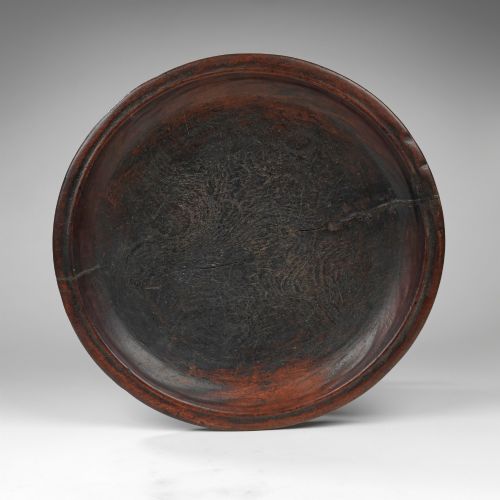
Original surfaces dictate desirability among collectors, with untouched painted finishes or deep patination carrying greater visual appeal than heavily restored or stripped timber.
The 18th Century Wooden Bowl Glossary
- Treen
- Small handmade wooden domestic objects. This term encompasses everything from bowls and salt cellars to tea caddies and mortars.
- Turned
- Shaped on a lathe by rotation against cutting tools. This method produced the symmetrical walls and circular rims characteristic of these bowls.
- Laburnum
- A dense hardwood with contrasting dark heartwood and pale sapwood. Turners utilised this timber to create decorative patterning on small vessels.
- Yew wood
- A durable softwood with prominent growth rings and rich figuring. It was frequently selected for turned treen items requiring strength.
18th Century Wooden Bowl: Frequently Asked Questions
How do I identify an 18th century wooden bowl?
Examine the tool marks, timber choice, and overall patination of the piece. Eighteenth-century vessels typically display hand-turned ridges and aged surfaces consistent with early lathe work.
Compare the form and wood species against documented examples from the Georgian period to confirm authenticity.
Were these bowls used for food?
Many of these vessels served practical roles in food preparation and dining, holding salt, fruit, or nuts on the table. Domestic treen was central to daily Georgian kitchen routines.
Specialised forms like salt cellars and deep containers were specifically designed for dry foodstuffs.
How should I care for historic treen?
Keep wooden bowls away from direct heat sources and dramatic humidity fluctuations to prevent splitting. Natural waxes help maintain the condition of the timber surface.
Avoid washing them in water; instead, clean gently with a dry or barely damp cloth when necessary.
What is Swedish country style treen?
Swedish country style pieces often feature original painted surfaces applied over soft or hardwoods. These bowls reflect Scandinavian folk art traditions of the eighteenth century.
The painted decoration distinguishes them from unpainted English mahogany and yew wood equivalents.