


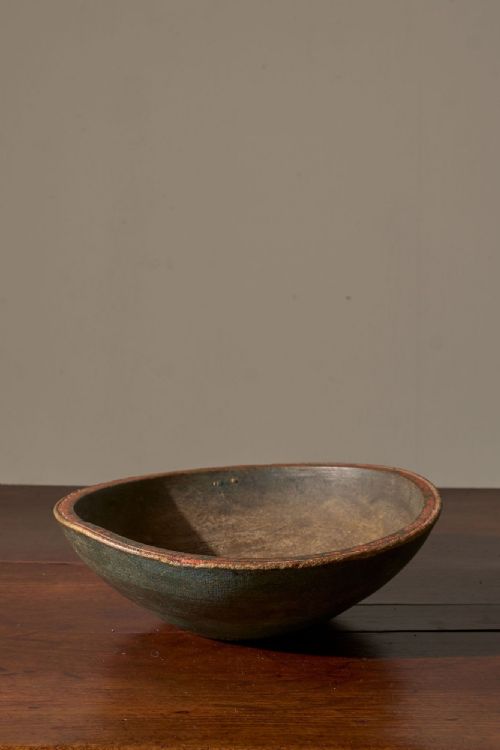

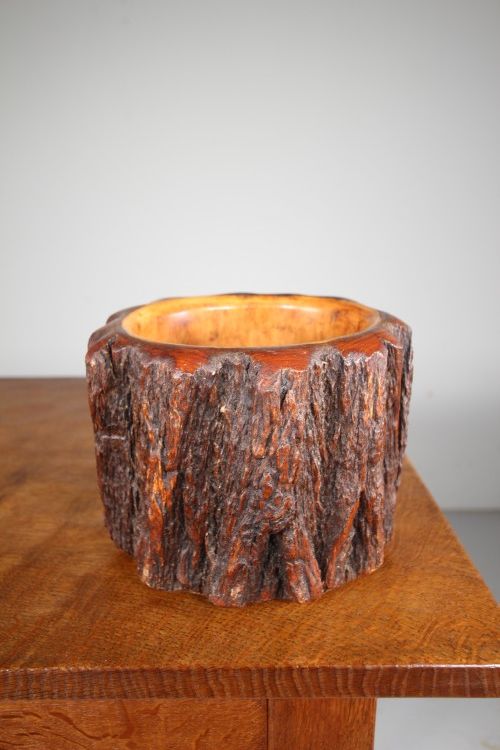


Rustic Hand Carved Bowl
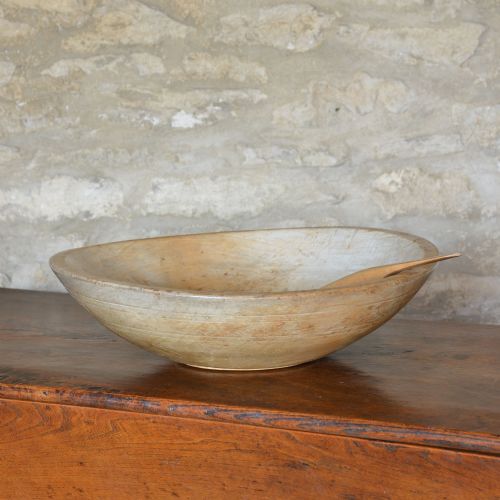
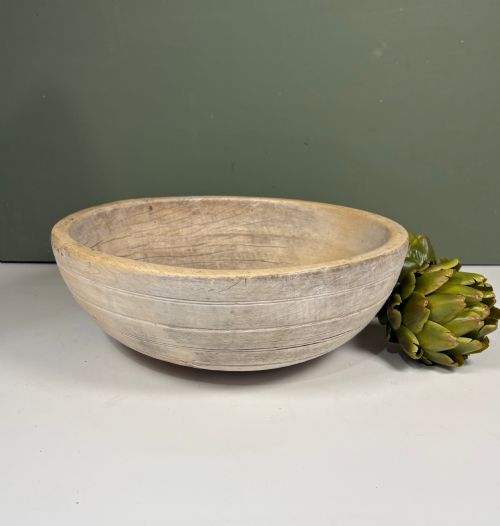
A rustic hand carved bowl brings utilitarian warmth to an interior, shaped from solid timber or stone by vernacular makers.
Rustic Hand Carved Bowl
A rustic hand carved bowl encompasses functional treen, heavy kitchenware, and display pieces originating from diverse rural traditions. When searching for a rustic hand carved bowl, a buyer encounters domestic items shaped by hand for daily use rather than formal display.
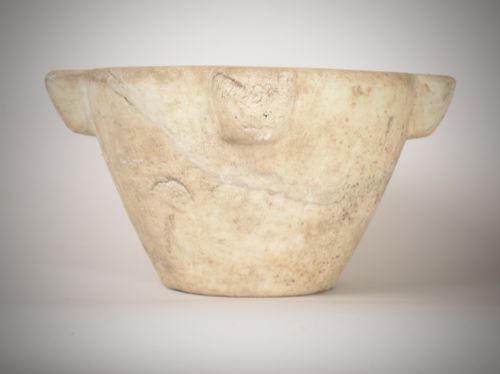
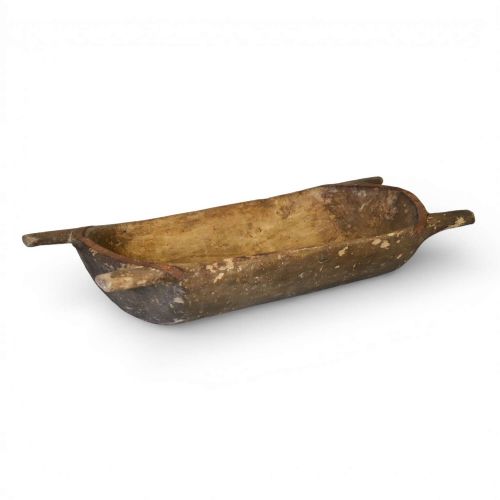
The selections span distinct regional origins, including French farmhouse vessels, Swedish painted items, English dairy bowls, and Chinese elm mortars. Common forms range from deep kneading dough bowls and dairy trenchers to heavy stone mortars and turned treen platters.
Most examples date from the seventeenth, eighteenth, and nineteenth centuries, alongside early twentieth-century interpretations in solid woods and stone. These utilitarian objects served practical purposes in kitchens, dairies, and farmsteads before entering the decorative sphere.
Materials and construction
Makers shaped these bowls from solid timber, utilising native hardwoods such as sycamore, birch, olive wood, shisham, and elm. Woods were selected for density and grain, often hewn directly from the green log and finished with hand tools.
Certain pieces incorporate applied finishes, such as historical paint layers on Swedish bowls or rich patinated surfaces developed through generations of use. Stone examples utilise heavy marbles and hard stones, shaped by chiselling and grinding to create thick-walled mortars.
Rustic Hand Carved Bowl Retail Price Guide 2026
Typical asking prices for rustic hand carved bowl among the pieces listed under this phrase on Sellingantiques today, from the lower quarter to the upper quarter. They describe what is for sale here now, not the wider market.
Judging depth and character
Quality rests in the integrity of the tool marks and the depth of the surface patina accrued from handling and age. A piece shaped with visible adze or gouge work retains the direct touch of the maker.
Proportion and substance dictate distinction, where thick walls, balanced weight, and honest wear elevate a simple kitchen bowl. Original surfaces, such as early paint on softwood or uncompromised timber grain, carry greater historical weight than stripped examples.
The Rustic Hand Carved Bowl Glossary
- Treen
- Small handmade wooden domestic objects. These items include bowls, platters, and spoons carved for household tasks.
- Dairy bowl
- A wide, shallow wooden vessel used in butter-making and milk setting. Sycamore was traditionally favoured for its clean grain and resistance to splitting.
- Dough bowl
- A large trough used for kneading bread. French farmhouse examples often display deep sides and substantial handles.
- Mortar
- A heavy bowl used with a pestle for crushing ingredients. Examples are fashioned from solid stone, marble, or dense hardwoods like olive and elm.
- Patina
- The surface sheen and colour developed through age and regular use. This quality reflects the handling and environment of the object over centuries.
Rustic Hand Carved Bowl: Frequently Asked Questions
What were these bowls used for?
These vessels served demanding physical roles in rural domestic life, functioning as dairy bowls for setting milk, kneading troughs for bread, and heavy mortars for grinding food.
Over decades of daily handling by farm workers and cooks, the timber absorbed oils and developed the tactile surfaces appreciated today.
How do I care for an old wooden bowl?
Keep wooden vessels away from direct heat sources and sudden temperature shifts that cause timber to dry and split. Clean them with a damp cloth rather than submerging them in water, applying occasional neutral food-safe oils to nourish the grain.
Treating the wood with respect preserves the historical surface without removing the accumulated character of the piece.
How can I tell the period of a bowl?
Dating relies upon tool marks, timber selection, form, and the nature of the wear across the surface. Early examples display the irregularities of hand-hewn adze work, whereas later nineteenth-century pieces often show more uniform turning.
Comparing regional styles, such as Swedish painted surfaces versus English sycamore dairy trenchers, provides further clues to origin and date.
Can I still use these bowls for food?
Many solid wood and stone pieces remain structurally sound for presenting dry foods or fruit. However, historic surfaces, painted finishes, or open splits require careful consideration before practical kitchen use.
Using them for display generally protects the historical integrity and fragile patination of older vernacular items.