


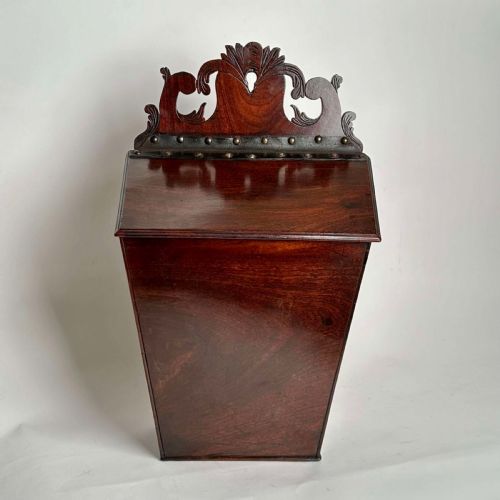


Georgian Mahogany Container
These georgian mahogany container examples are sturdy storage pieces built from rich timber to hold everything from tea to wine, making them both practical and handsome.
Georgian Mahogany Container
A georgian mahogany container serves a practical domestic purpose, designed primarily to hold household goods like tea, wine, salt, or cutlery safely. You will most frequently encounter tea caddies, wine coolers, and cellarettes on this page, reflecting the daily storage needs of earlier households.
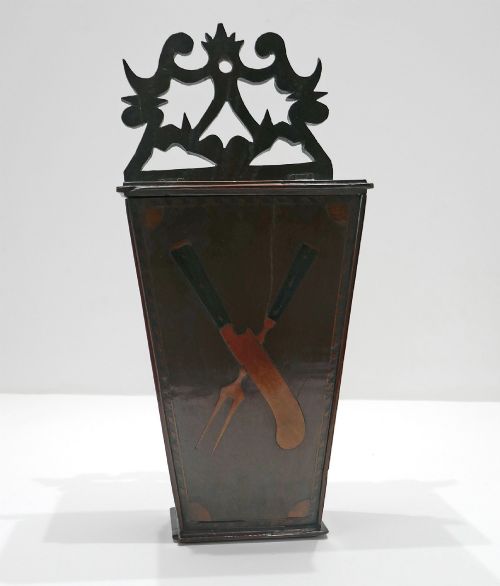
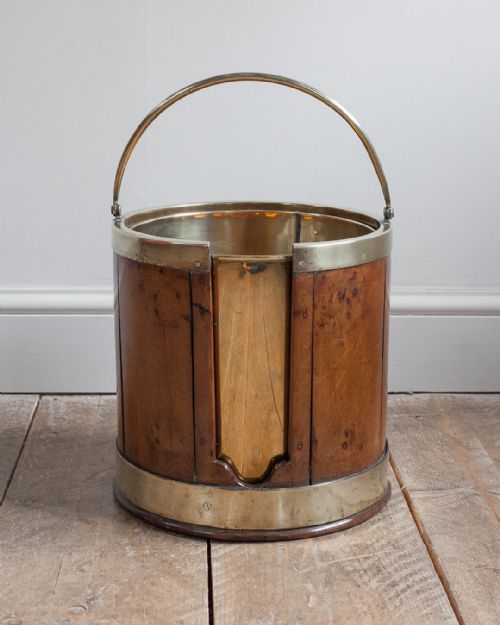
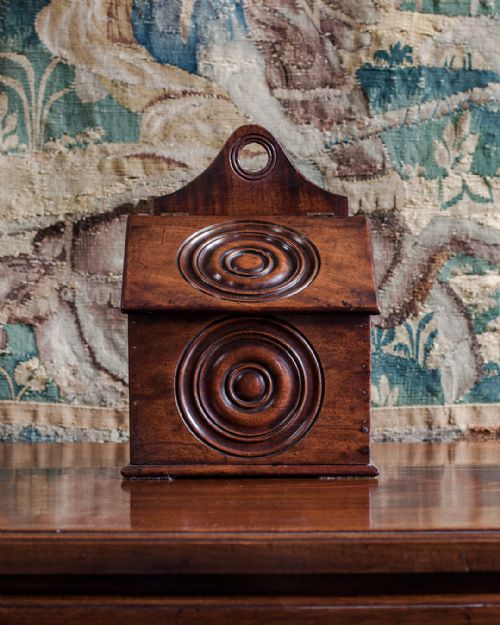
The objects span multiple periods, drawing on Georgian, Regency, and Victorian aesthetics while maintaining their core wooden construction. Forms range from small circular snuff boxes and salt boxes to large plate buckets, log bins, and sarcophagus-shaped tea caddies.
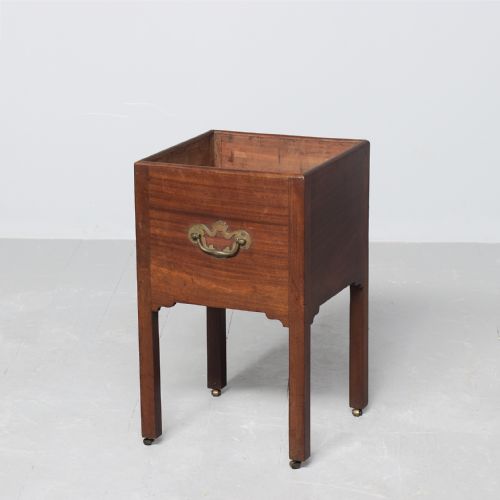
Makers utilised resilient timbers to shape deep containers, jardinière stands, and teapoys that functioned in various rooms of the house. These utilitarian items now survive as decorative period objects that retain their original architectural proportions.
How they were made
Makers constructed these containers predominantly from solid mahogany and flame mahogany, often incorporating contrasting fruitwood or satinwood for decorative inlay work. The rich grain of the wood provides the primary visual appeal of each piece.
Metal fittings played a crucial structural and decorative role, with brass bound bands, handles, and locks securing the heavy timber panels. Bone details occasionally appeared on smaller items like tea caddies to accent key escutcheons.
Georgian Mahogany Container Retail Price Guide 2026
Typical asking prices for georgian mahogany container among the pieces listed under this phrase on Sellingantiques today, from the lower quarter to the upper quarter. They describe what is for sale here now, not the wider market.
Form variations on this page include tea caddies, wine coolers, cellarettes, salt boxes, plate buckets, cutlery boxes, teapoys, and fireplace accessories.
What varies in quality
The selection of the timber dictates the baseline visual strength of the container, particularly where figured flame mahogany or careful inlay is present. Superior items display harmonious grain matching across the lid and sides rather than mismatched planks.
The integration of metal hardware, such as tight brass banding and substantial locking mechanisms, separates standard utility items from finer workshop output. Robust joinery ensures the container withstands centuries of opening and closing without loosening at the corners.
Gillows
The Georgian Mahogany Container Glossary
- Tea Caddy
- A small box with a lid designed specifically to store loose tea leaves securely. These containers frequently featured internal compartments and small locking keys.
- Cellarette
- A large freestanding wooden container lined for holding bottles of wine or spirits near the dining table. They often sat on short legs or feet and utilised heavy brass binding.
- Teapoy
- A small pedestal table featuring a lidded box on top designed to hold tea canisters. They stood on central pillars with supporting legs.
- Plate Bucket
- A deep cylindrical wooden container bound with metal hoops for carrying or storing dining plates. These pieces often featured sturdy drop handles.
- Flame Mahogany
- A highly decorative wood veneer cut from the fork of the mahogany tree, creating a characteristic rippled flame pattern. Cabinet makers used this to highlight principal surfaces.
Georgian Mahogany Container: Frequently Asked Questions
What did they store inside?
These containers held valuable household consumables and dining accessories like loose tea, wine bottles, salt, and cutlery. Their sturdy timber construction protected precious goods from moisture and light.
Larger versions served as wine coolers or deep fruit and nut bins in the dining room. Smaller boxes remained on side tables or tea tables for daily domestic service.
How do I date a piece?
Dating relies on observing the combination of timber selection, construction methods, and prevailing decorative styles like Regency or Chippendale. Cabinet making techniques changed gradually from hand-sawn joints to more industrial processes over the nineteenth century.
Hardware components like brass locks and hinges also offer clues to the manufacturing period. Examining the interior lining and secondary woods provides further confirmation of age.
How do I live with one?
These containers function naturally as side table storage, desk accessories, or decorative floor pieces depending on their physical scale. They integrate easily into modern rooms while providing enclosed space for small household items.
Positioning them away from direct heat sources prevents the mahogany timber from drying out or splitting. Regular waxing maintains the natural lustre of the polished wood surfaces.
What makes a caddy different?
Tea caddies generally feature specialised internal compartments designed to separate different varieties of tea leaves. They often include a central mixing bowl space alongside fitted canisters.
Other boxes on this page served entirely different functions, such as holding salt, serving wine, or storing cutlery. The internal arrangement usually reveals the exact original purpose of the container.