
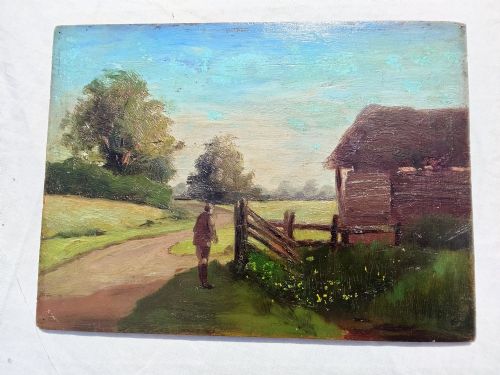


Green Painted Wooden Board
These green painted wooden board pieces bring genuine character and warmth to a room, offering tactile historic surfaces that suit modern and traditional spaces alike.
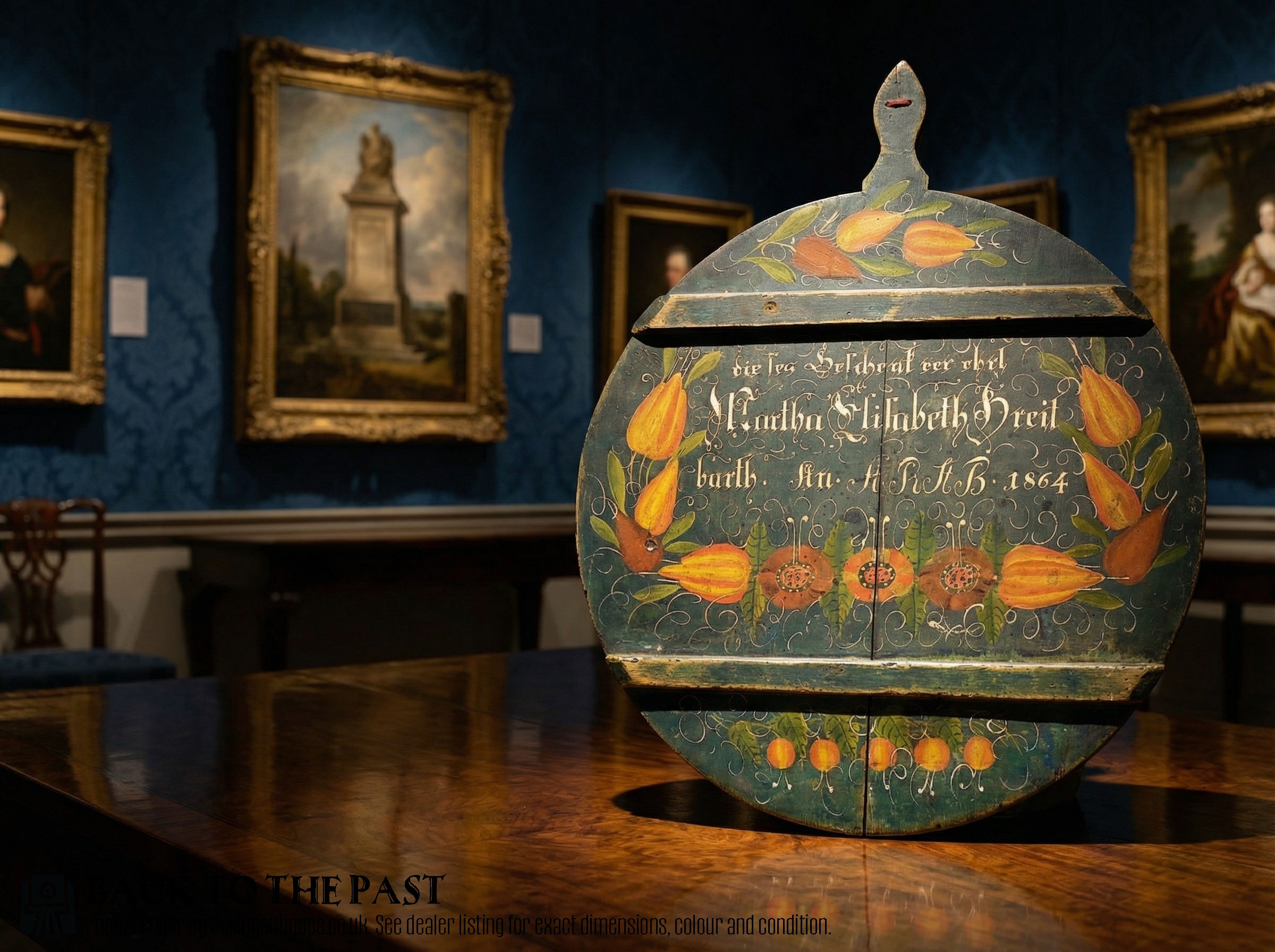
Green Painted Wooden Board
When you search for a green painted wooden board, you encounter diverse items ranging from fine oil paintings on panels to rustic kitchenalia, serving boards, and fairground panels. These pieces span the eighteenth, nineteenth, and early twentieth centuries, reflecting both British and French vernacular traditions.
The items most frequently met on this page include nineteenth-century landscapes and early twentieth-century fairground or maritime panels. Such objects bridge decorative art and utilitarian salvage, combining sturdy timber construction with weathered historic pigment.
Makers and artists range from anonymous folk artisans to named British and European painters working on board. Their creations capture everyday country life, maritime scenes, and entertainment history through straightforward wooden forms.
How they were made
Makers constructed these pieces using solid timbers such as oak and pine, shaping simple boards for domestic utility or artistic support. Artisans applied oil paint directly to the wooden surfaces, sometimes laying canvas onto board for stability in landscape paintings.
Surfaces acquired their distinct patination through layered applications of paint and decades of natural wear. The integration of paint and wood grain creates a tactile quality that defines both functional kitchen items and decorative panels.
The listings here feature items spanning the eighteenth century through to the 1930s, utilising oak, pine, and oil paint.
What varies in quality
Quality in these objects rests upon the integrity of the original wooden substrate and the preservation of the historic painted surface. Pieces retain more character when the pigment shows honest weathering rather than modern intervention.
The distinction between domestic utility items and fine art panels lies in the skill of the brushwork and the clarity of the original composition. Stronger examples maintain balanced proportions and authentic surface texture without losing their historical legibility.
John Constable·John Falconar Slater·Albert de Belleroche
The Green Painted Wooden Board Glossary
- Oil on board
- A painting technique where oil colours are applied directly to a rigid wooden panel rather than stretched canvas. This method provides a stable and smooth surface for detailed brushwork.
- Folk art
- Artistic work created within a traditional culture by self-taught or local artisans. These pieces often prioritise practical utility and bold visual impact over academic convention.
- Architectural salvage
- Building materials and decorative elements rescued from older structures for reuse. Items range from wall panels to functional boards carrying layers of historic paint.
- Kitchenalia
- Utilitarian objects and implements formerly used in domestic food preparation. These items combine practical craftsmanship with the aesthetic appeal of heavy daily use.
- Panel
- A flat piece of wood used as a structural support for painting or architectural joinery. Panels offer durability and distinct grain patterns that interact with applied pigments.
Green Painted Wooden Board: Frequently Asked Questions
What is a green painted wooden board?
A green painted wooden board encompasses various historic items, including oil paintings on panels, fairground signs, and kitchen serving boards. These objects date from the eighteenth to the early twentieth centuries.
They combine utilitarian timber structures with aged oil paint surfaces, offering decorative utility and historic charm for contemporary interiors.
How do I care for antique painted wood?
Protect painted wooden items by keeping them away from direct sunlight and damp conditions to prevent the wood from warping and the paint from flaking. Dust gently with a dry, soft cloth rather than using liquid cleaners.
Maintaining a stable room temperature helps preserve the historic pigment and the underlying timber substrate for years to come.
Are these boards safe for food use?
Many items categorized under this search include decorative panels, fine art, and historic kitchenalia carrying old oil paint surfaces not suitable for direct food contact. Utilitarian boards should be assessed individually for modern hygiene standards.
Most pieces serve primarily as decorative wall art or display surfaces rather than active kitchen implements.
How can I tell the period of a wooden board?
Dating relies on observing the tool marks left on the timber, the construction methods used for joins, and the chemical composition or appearance of the historic paint layers. Eighteenth-century pine and oak show different wear patterns compared to early twentieth-century fairground panels.
Comparing the style of any painted artwork or lettering to established regional schools also helps narrow down the decade of creation.