


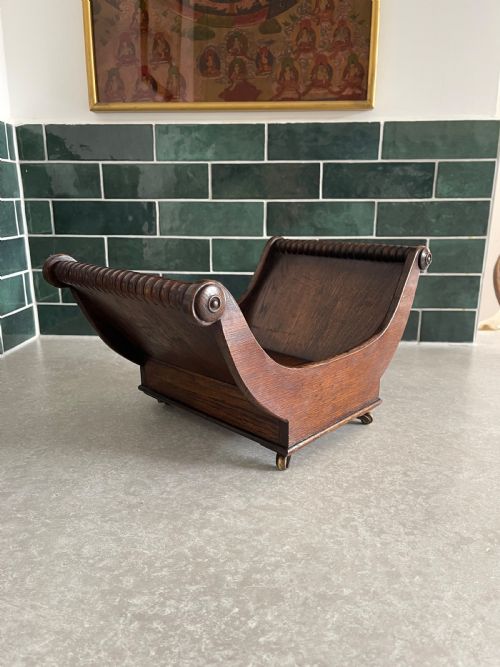

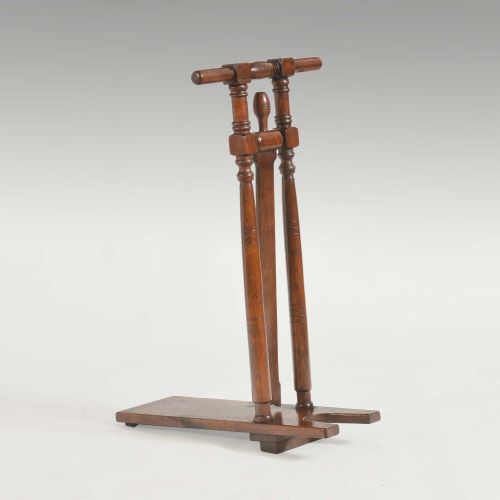

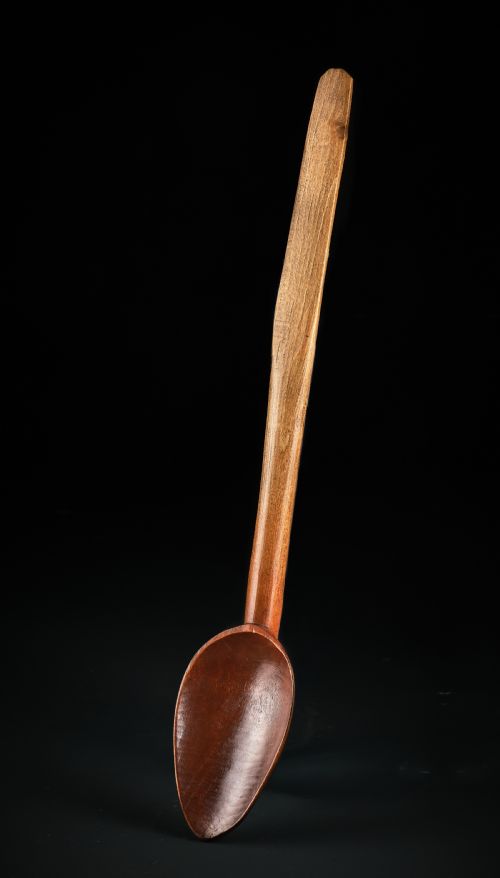


Country House Treen
Country house treen are small domestic wooden items that collectors prize for their tactile warmth and daily utility.
Country House Treen
Country house treen comprise small wooden items gathered from large domestic interiors and estates. These utilitarian objects served practical purposes in kitchens, halls, and parlours across generations.
The term encompasses a broad range of turned and carved wooden utensils and small containers. Each piece reflects the everyday needs of a traditional country residence.
How they were made
Craftsmen shaped these items using traditional woodworking methods such as woodturning on a lathe and hand carving. These techniques produced functional forms designed for frequent handling.
Makers utilised available timbers, turning green or seasoned wood to create items that withstood the rigours of domestic service.
Many old treen items retain faint scent traces of spices, tobacco, or beeswax from their past domestic lives.
What varies in quality
Quality rests in the balance of the turning, the comfort of the grip, and how gracefully the timber aged through use. Superior examples show crisp detail where tool marks reveal the skill of the hand.
Wear patterns tell part of the story, as decades of handling soften sharp edges and impart a deep, lustrous surface patina.
The Country House Treen Glossary
- Treen
- Small handmade wooden domestic objects. The word derives from the old English word for tree.
- Patina
- The surface sheen and colour developed over years of handling and polishing. This natural finish rewards careful observation.
- Turned
- Shaped on a lathe while rotating. This method created symmetrical forms such as bowls, cups, and candlesticks.
- Burl
- A woody growth on a tree forming intricate grain patterns. Carvers utilised this figured wood for decorative effect.
Country House Treen: Frequently Asked Questions
What is country house treen?
Country house treen refers to small, functional wooden objects gathered from historic domestic estates. These items include bowls, boxes, and kitchen utensils.
Collectors prize them for their honest craftsmanship and the rich patination acquired through decades of daily use in large houses.
How were these wooden items used?
These pieces served practical roles in food preparation, dining, storage, and household administration. Servants and family members used them constantly.
Over time, utilitarian tasks shaped their forms, leaving behind smooth surfaces and signs of honest wear that modern collectors value.
How do I care for treen?
Keep wooden treen away from direct heat sources and sudden humidity changes to prevent the timber from splitting or warping. Gentle dusting is usually sufficient.
Occasional application of food-safe mineral oil or beeswax helps nourish older wood without creating a sticky buildup on the surface.
How can I date treen?
Dating treen relies on observing tool marks, timber choices, and the style of the turning, which changed over successive centuries. Plain forms often span long periods.
Comparing wear patterns and construction methods against documented examples helps narrow down the likely period of manufacture.