



Vintage Dough Bowl
These vintage dough bowls are honest utilitarian vessels carved from timber, prized for their warmth and utility in rustic interiors.
Vintage Dough Bowl
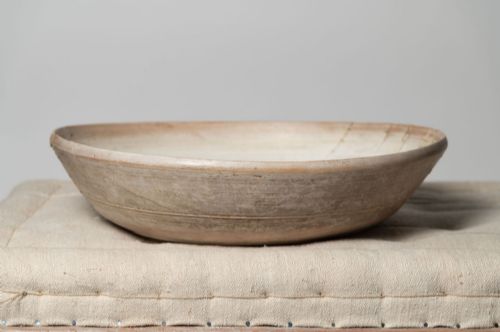
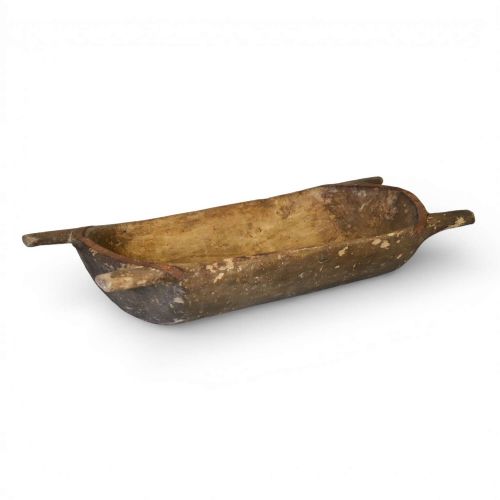
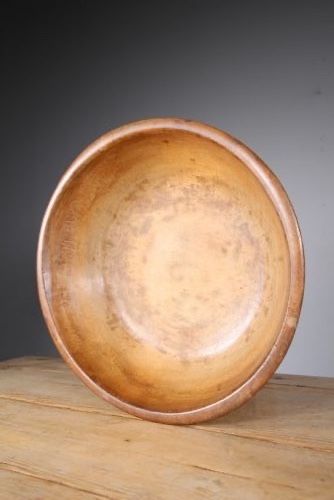
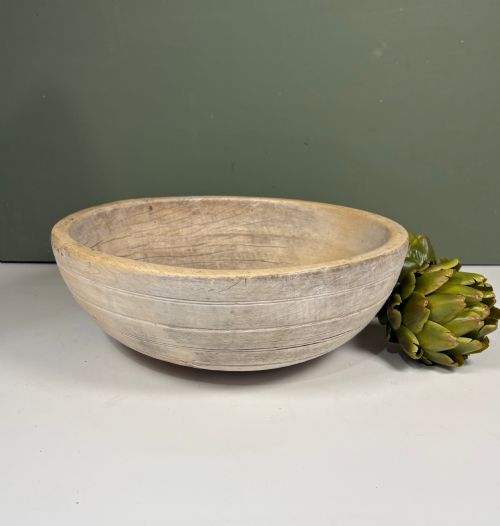
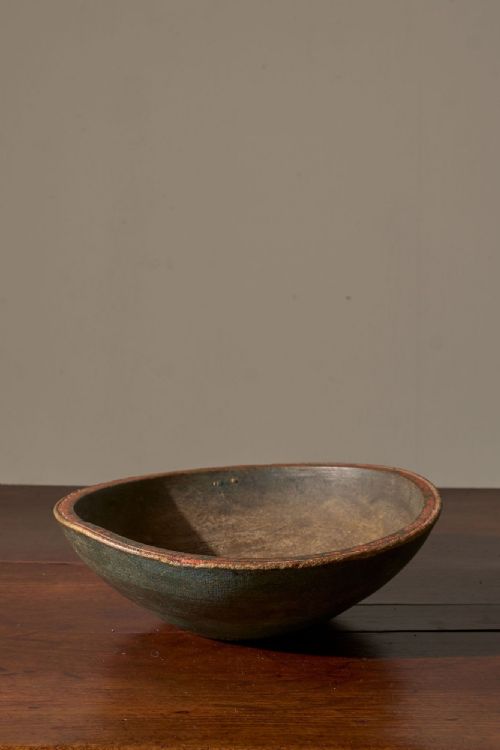
When you search for a vintage dough bowl, you encounter heavy wooden vessels originally designed for domestic food preparation and dairy work. The examples seen here span from the eighteenth century through to the early twentieth century, originating from English, French, Scandinavian and Indian traditions. You are most likely to meet substantial sycamore dairy bowls or kneading troughs shaped by hand from solid wood.
The forms range from deep round bowls to long troughs, reflecting their specific historical uses in kneading bread or skimming milk. Regional styles emerge clearly, from painted Swedish pieces to warm English sycamore and rich French farmhouse examples. Each piece carries the distinct marks of its working past, making them versatile decorative items for contemporary spaces.
How they were made
Makers carved these vessels directly from solid timber, utilising native woods such as sycamore, pine and shisham. The process required heavy labour with axes, adzes and gouges to excavate the interior from a single log, leaving subtle tool marks across the surface. Some pieces received a protective layer of paint, while others relied on natural oils and long use to develop their characteristic finish.
The choice of dense hardwoods like sycamore ensured the wood resisted splitting during the rigorous process of kneading dough or agitating cream. Structural integrity depended entirely on the skill of the artisan who selected the timber grain to prevent warping. Iron elements occasionally appear on related basins, but the core tradition remains purely wooden and dug out.
Listings feature timber materials spanning pine, sycamore, and shisham wood across multiple centuries.
What varies in quality
Quality rests in the depth of the carving and the integrity of the timber rather than pristine condition. A superior vessel displays balanced proportions and a wall thickness that feels substantial yet even throughout the basin. The handling of the wood grain directly affects how light plays across the surface.
The richness of the patina separates ordinary examples from exceptional ones. Decades of domestic use impart a deep, glowing warmth to the timber that cannot be replicated by artificial means. Original paint surfaces on Scandinavian pieces also elevate the character when preserved intact.
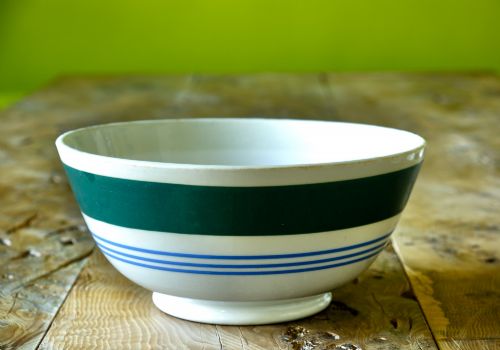
T G Green Pottery
The Vintage Dough Bowl Glossary
- Patina
- The lustrous surface sheen developed through years of handling, cleaning, and natural ageing of the timber. It provides a visual record of the object's long history.
- Treen
- Small handmade wooden household objects and utensils. This broad term encompasses the bowls and dairy vessels found in this category.
- Dug out
- A method of construction where a single piece of solid wood is hollowed out to form a vessel. This technique ensures maximum strength without joints.
- Kneading bowl
- A large trough or basin specifically shaped for mixing and working bread dough. These pieces generally feature deep sides to contain flour and liquid.
Vintage Dough Bowl: Frequently Asked Questions
How do I clean a wooden dough bowl?
Wipe the surface gently with a damp cloth and dry it immediately with a soft towel. Avoid submerging the wood in water or exposing it to harsh detergents.
Apply a light coat of food-safe mineral oil periodically to keep the timber nourished and prevent the wood from drying out.
How can I tell an older bowl from a newer one?
Examine the interior tool marks and the overall weight distribution of the piece. Hand-carved vessels from the eighteenth and nineteenth centuries display irregular adze or gouge marks left by the maker's hand.
The presence of deep patination and shrinkage cracks along the grain also points towards considerable age rather than modern production.
Where should I display a vintage bowl at home?
These substantial vessels sit comfortably on large dining tables, kitchen islands, or low sideboards as sculptural centerpieces. Their neutral wooden tones complement both rustic farmhouse and minimalist modern interiors.
Keep them away from direct heat sources such as radiators to protect the historic timber from excessive drying.