
Antique English Treen
Antique English treen collects small turned or carved wooden objects fashioned for domestic, personal and utilitarian use over several centuries.
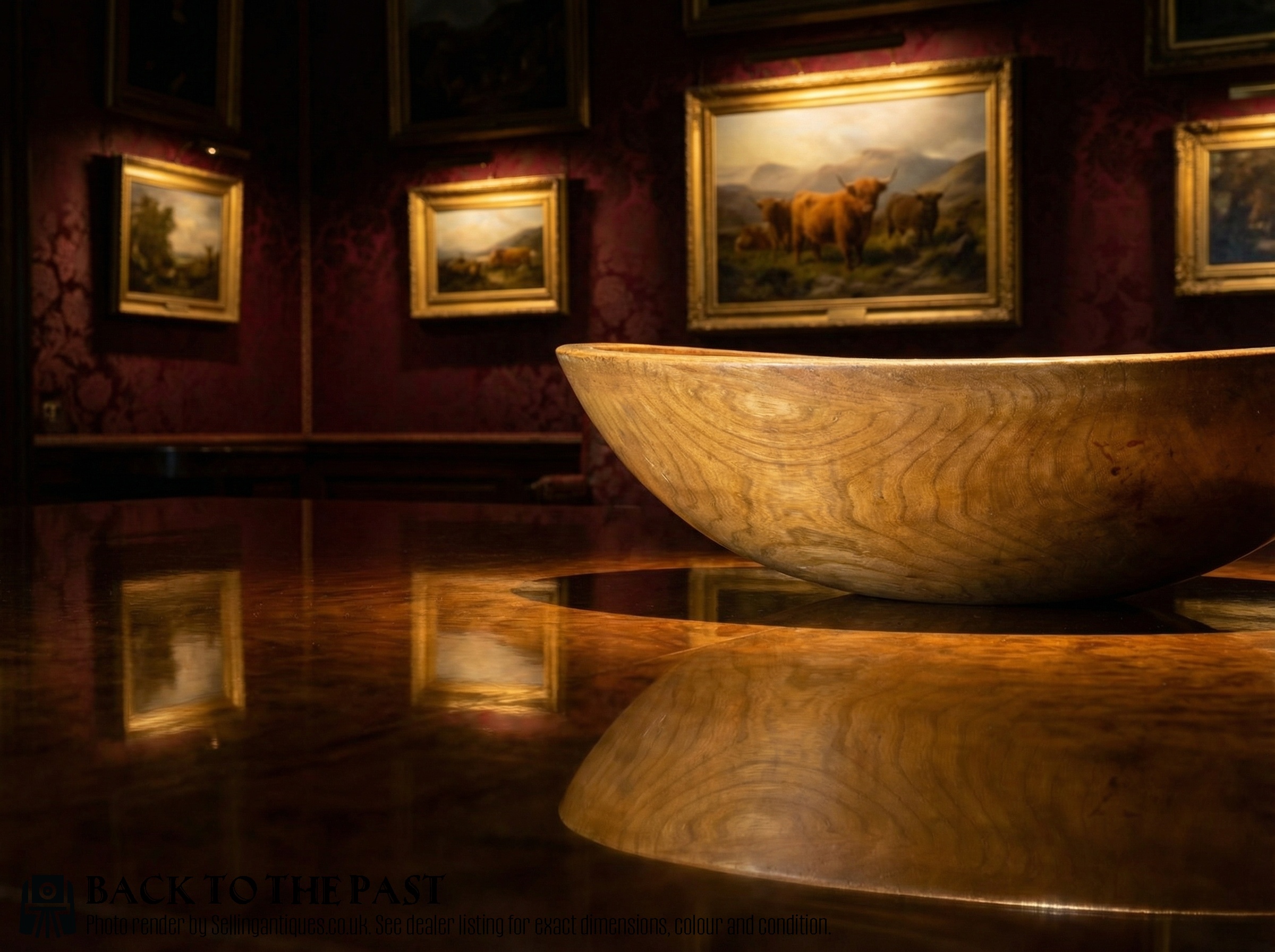
Antique English Treen
Collectors seek antique English treen for its tactile connection to everyday historical life through functional wooden objects. The selections span domestic kitchenware, personal pocket items and decorative vessels created by turners and rural craftsmen.
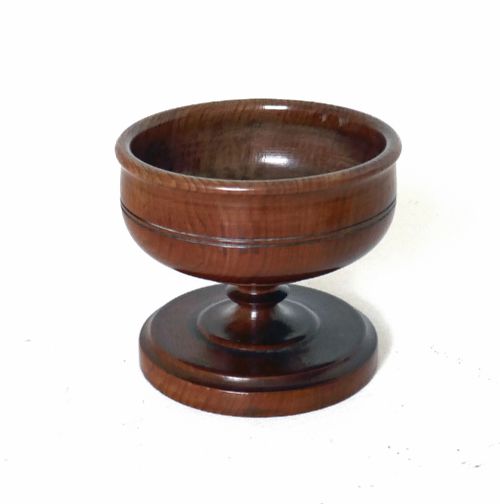
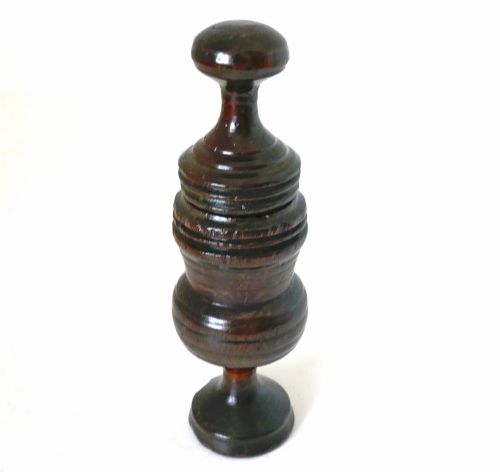
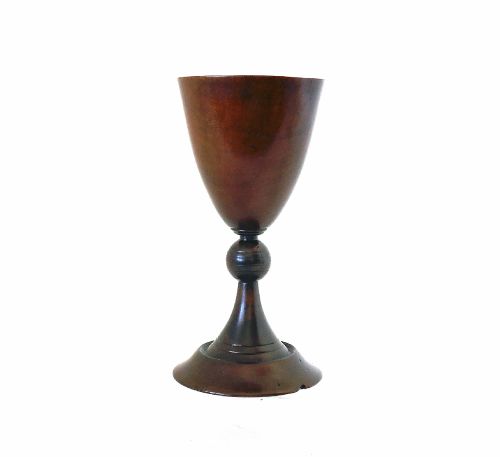
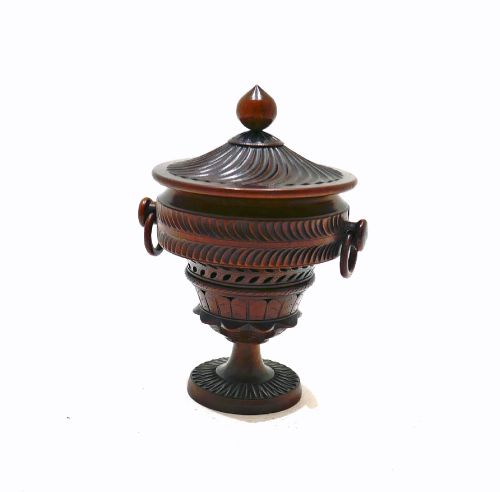
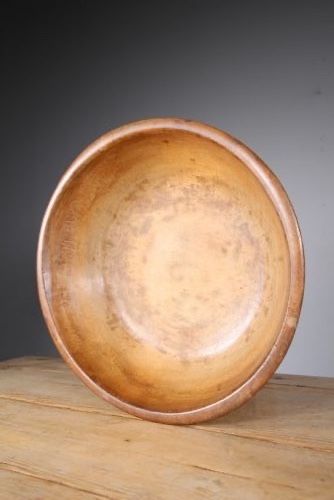
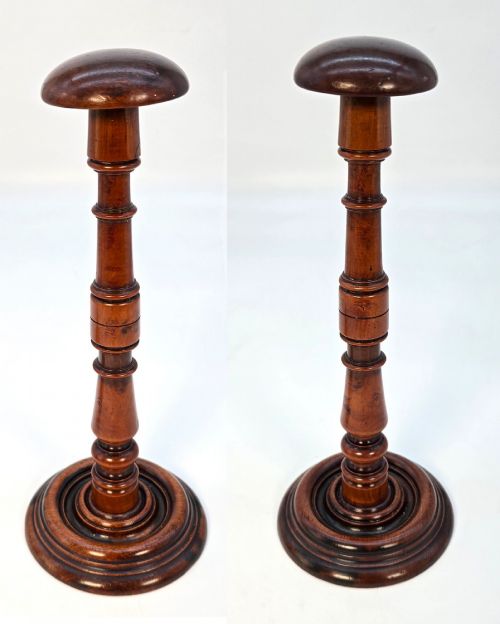
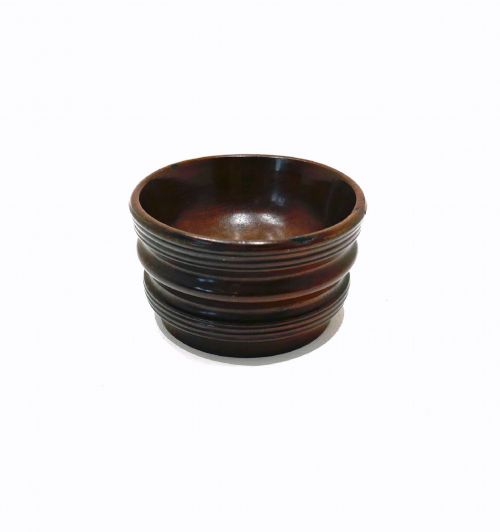
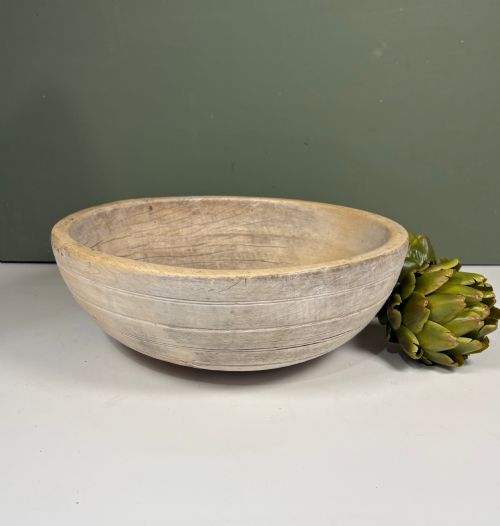
Domestic vessels dominate the pieces encountered on this page, particularly sycamore dairy bowls, spice towers and turned fruitwood goblets. These items served practical purposes in historic households before surviving as collected artefacts of wooden craftsmanship.
How They Were Made
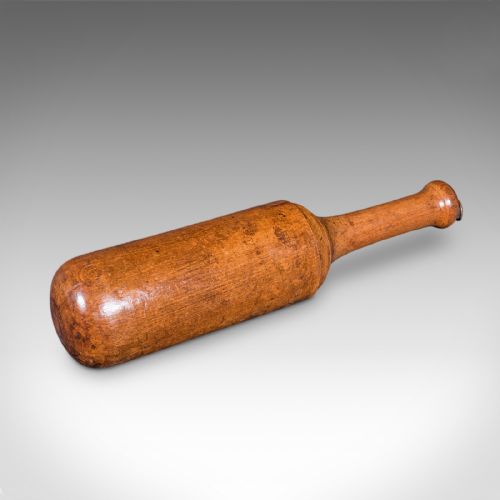
Craftsmen shaped these objects using pole lathes and hand tools, turning dense timbers like fruitwood, sycamore, boxwood and lignum vitae on a central axis. This rotational technique produced symmetrical forms such as drinking vessels, mortar sets and lidded spice containers.
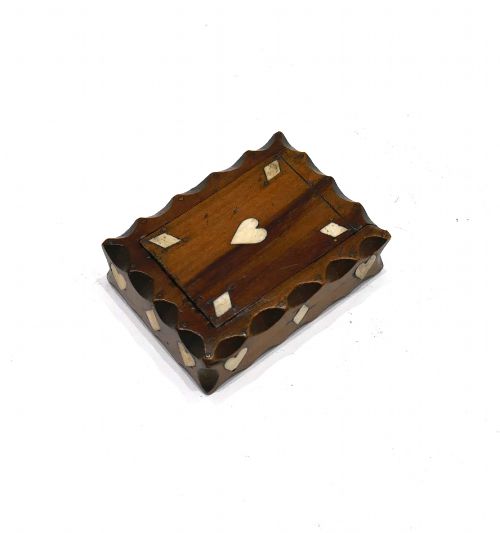
Makers often embellished functional items with bone inlay, brass pinwork, punchwork or incised line decoration. Woods were selected for their grain pattern and suitability to carving, resulting in durable utensils and personal snuff boxes.
Listings feature items shaped from fruitwood, sycamore, yew wood, oak, beech and bone across the eighteenth and nineteenth centuries.
What Varies in Quality
Quality rests upon the crispness of the original turning, the integrity of the timber and the depth of the natural surface patina achieved through age and handling. Superior examples retain their original structural form without excessive wear or poorly executed repairs.
The presence of decorative enhancements such as intricate bone inlay, figural carving or well-preserved surface colour elevates individual pieces above standard utilitarian wares. Finer items demonstrate superior joinery, balanced proportions and distinct regional character.
The Antique English Treen Glossary
- Treen
- Small handmade wooden objects for domestic or personal use. The term derives from old English words meaning made of tree.
- Knitting sheath
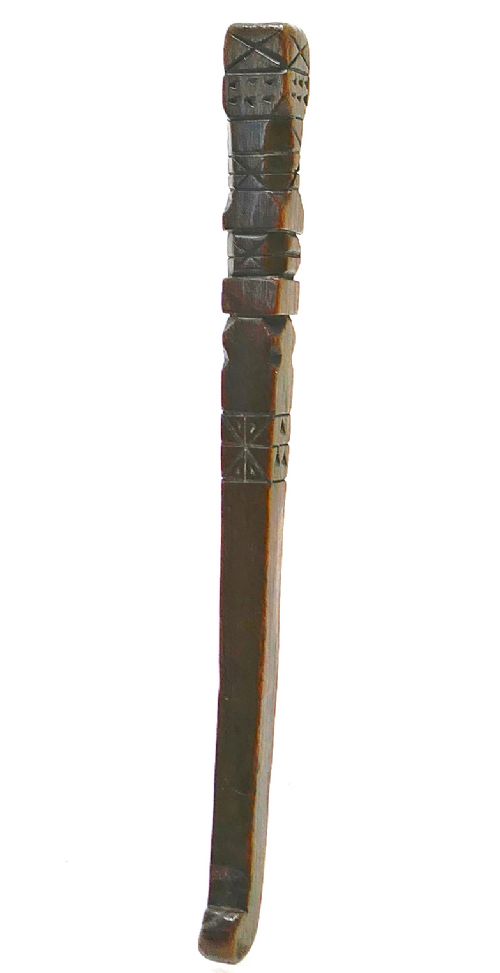
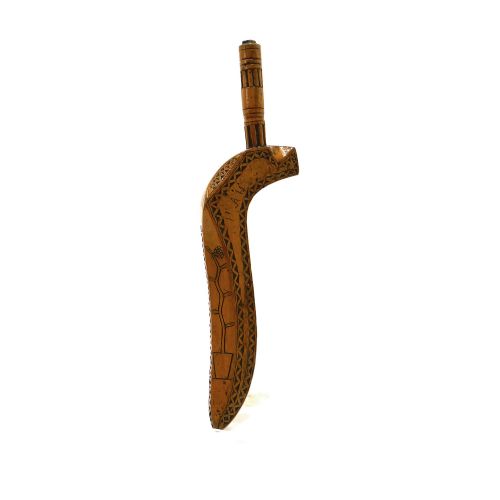
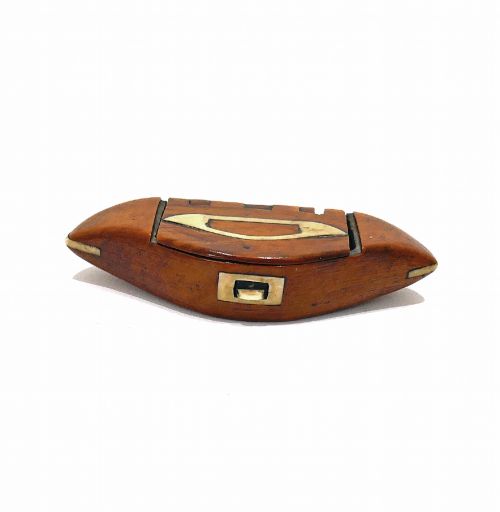
- A carved wooden device tucked into a belt or apron string to hold a knitting needle steady. They frequently feature intricate punchwork and geometric inlay.
- Spill vase
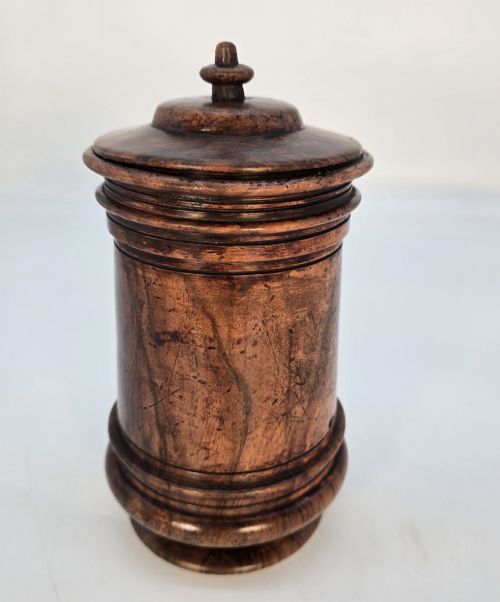
- A small upright container designed to hold tapered spills of paper used for lighting fires or pipes. These are frequently turned from dense fruitwoods or exotic timbers.
- Spice tower
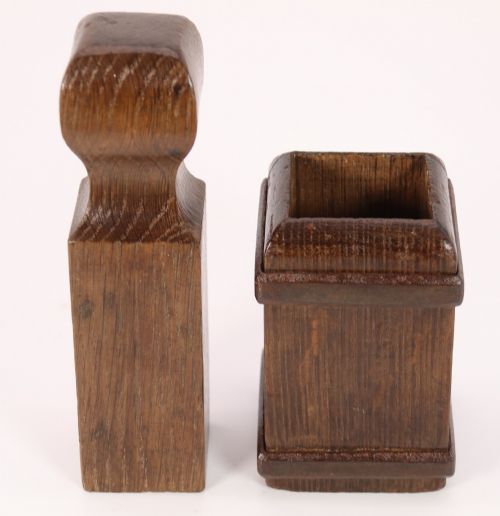
- A multi-tiered turned wooden vessel used for storing domestic spices in historic kitchens. They demonstrate precise lathe work to allow interlocking sections.
- Dairy bowl
- A wide, shallow wooden basin used in domestic dairies for setting milk to allow the cream to rise. They are typically turned from sycamore for its clean, taint-free grain.
- Pipe tamper
- A small pocket implement used for pressing down tobacco in a pipe bowl. Many examples take whimsical figural forms carved from boxwood or fruitwood.
Antique English Treen: Frequently Asked Questions
What is antique treen?
Antique treen encompasses small functional wooden objects created for domestic and personal use across the centuries. These items include kitchenware, snuff boxes, spill vases and dairy bowls fashioned by traditional turners.
Items were produced from dense native hardwoods like fruitwood, sycamore and boxwood. They bridged utility and craftsmanship in everyday historical settings.
How were treen items used?
Pieces served varied practical roles in the historic household, workshop and parlour. Domestic examples aided in food preparation, spice storage and dairy management.
Personal items like snuff boxes, knitting sheaths and pipe tampers accompanied individuals throughout daily routines. Their design combined durable utility with decorative personal expression.
How do I care for wooden treen?
Preserve antique treen by keeping pieces away from direct heat sources and sudden humidity fluctuations. These environmental controls prevent the timber from splitting or warping.
Apply occasional neutral wax polish if the surface requires nourishment. Avoid washing antique wooden items in water to protect their historic patina.
How are different wood types identified?
Identification relies on examining the grain pattern, colour and weight of the timber. Sycamore offers a pale, clean surface frequently seen in dairy bowls, while fruitwood displays warm tones.
Dense timbers like lignum vitae feel notably heavy and exhibit tight growth rings. Boxwood provides a fine, uniform texture suited to detailed turning.