


Hand Turned Wooden Bowl
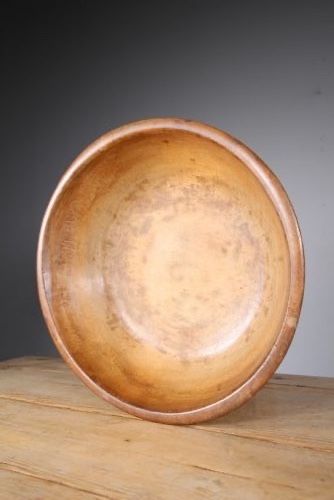
A hand turned wooden bowl brings honest utility and warm grain into a room, shaped by the lathe from local timber.
Hand Turned Wooden Bowl
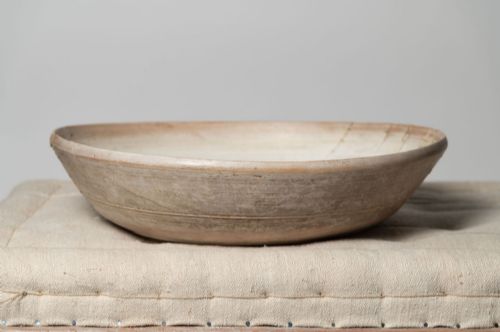
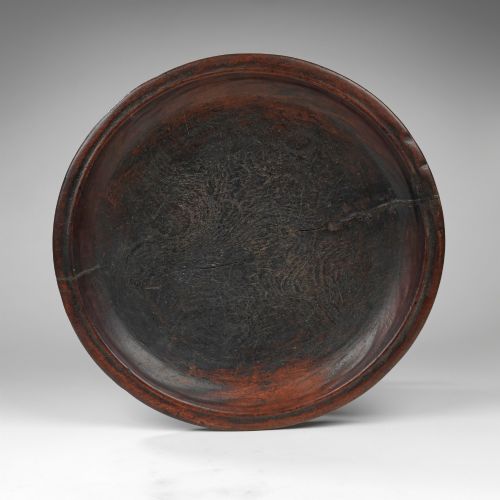
When you search for a hand turned wooden bowl, you encounter domestic vessels shaped by the lathe for daily household tasks. The examples seen here range from utilitarian dairy vessels to large platters and mortar sets.
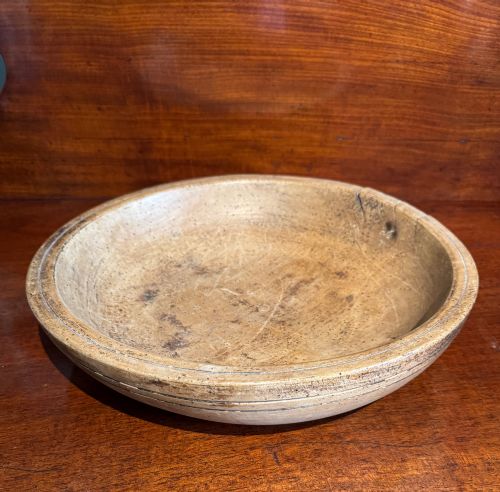
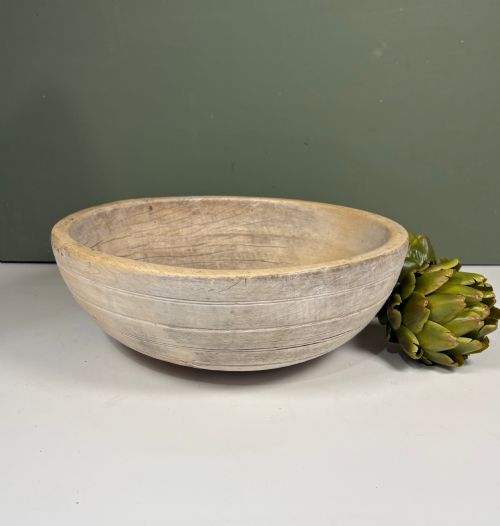
The version you are most likely to meet on this page is the dairy bowl, typically fashioned from pale sycamore during the nineteenth century. These items served practical kitchen duties before finding a place in modern decorative displays.
How they were made
Turners shaped these vessels on a lathe while the timber was green, allowing the wood to dry into organic, pleasingly warped forms. Sycamore and ash provided the dense, close grain required for dairy work and heavy food preparation.
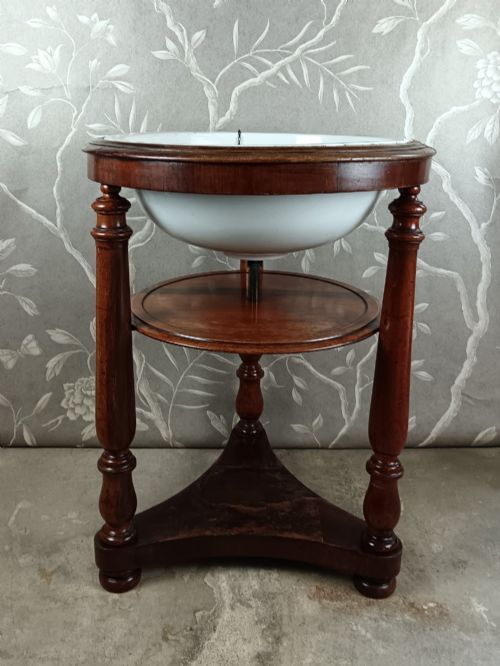
Makers utilised native hardwoods such as mahogany and olive wood for specific functional forms like washstands and mortars. Simple hand tools finished the surfaces, leaving tool marks that record the work of the maker.
A nineteenth-century dairy bowl once held milk for cream, and now holds your keys.
What varies in quality
Quality rests in the balance of the walls and the character of the timber surface developed through decades of use. A superior vessel shows confident turning that respects the natural movement of the wood grain.
The depth of the warm patina accumulated from scrubbing and handling distinguishes better examples from plain timber objects. Proportion and the integrity of the original form dictate the standing of each piece.
The Hand Turned Wooden Bowl Glossary
- Dairy bowl
- A large vessel used historically in the dairy for setting milk and skimming cream. These pieces usually feature a wide, shallow profile and a flat base.
- Sycamore
- A dense hardwood favoured by turners for dairy utensils because it imparts no taste or odour to food. It ages to a soft honey tone.
- Patina
- The deep, warm surface sheen acquired by wood through age, handling and regular cleaning. It cannot be replicated by artificial means.
- Treen
- Small handmade wooden household objects of everyday use. The term encompasses bowls, platters and mortars from earlier centuries.
Hand Turned Wooden Bowl: Frequently Asked Questions
What were dairy bowls used for?
Dairy bowls held fresh milk in farmhouses to let the cream rise to the top for skimming. Their wide mouths made them practical for this daily dairy work.
After their working life in the dairy ended, people often repurposed them around the kitchen for storing fruit or bread.
How can I tell the age of a turned bowl?
Age is judged by the tool marks left on the underside, the timber species, and the depth of the surface patina. Hand-carved or early lathe-turned pieces often display subtle irregularities in shape.
Comparing the form and timber to documented examples from periods like the Georgian era helps confirm the likely decade of manufacture.
Why is sycamore common in old bowls?
Sycamore timber has a pale, close grain that resists splitting and does not taint food products with strong flavours or tannins. This made it the preferred material for dairy and kitchen vessels.
Turners could cut it green and rely on its stability as it dried into everyday household shapes.