


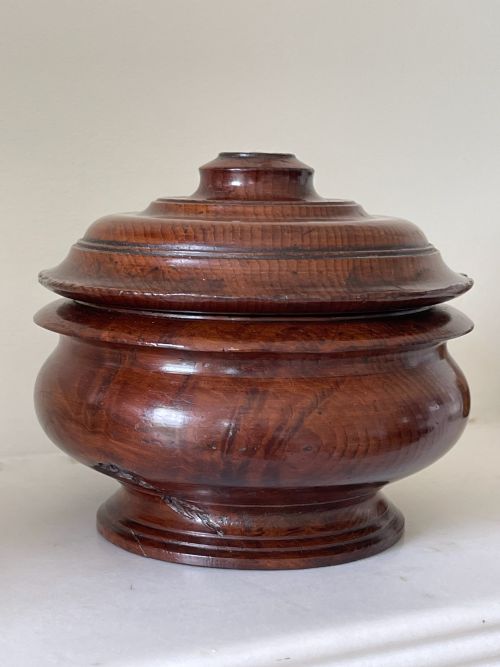


19th Century Treen Bowl
These 19th century treen bowl examples offer honest turned wooden utility, bringing tactile warmth and rustic character to a modern interior.
19th Century Treen Bowl
When you search for a 19th century treen bowl, you encounter domestic wooden vessels shaped by hand and lathe for dairy work, food preparation, and storage. The items span the nineteenth century, with specific examples carrying dates like eighteen-fifty, eighteen-eighty, eighteen-ninety, and nineteen-hundred.
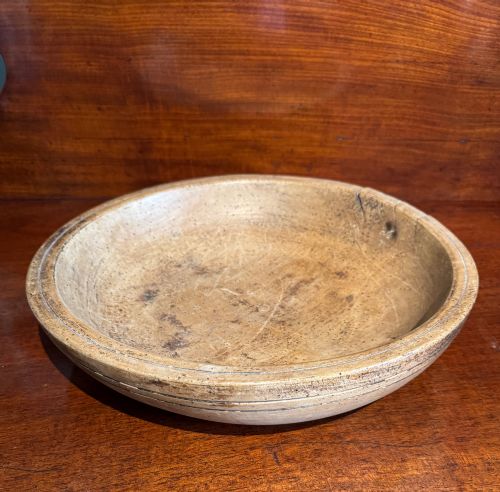
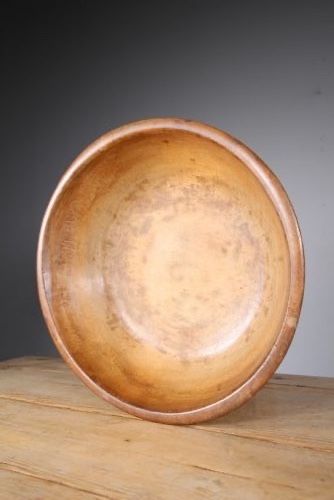
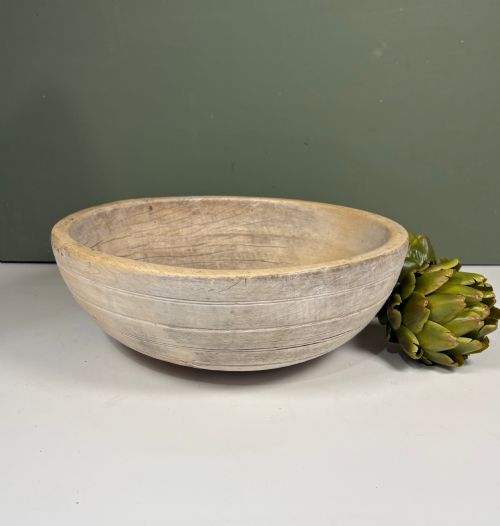
Dairy bowls form the most common variety you meet on this page, often turned from pale sycamore with generous proportions. Alongside them appear fruitwood bowls, turned walnut vessels, and root wood or tree stem pieces that highlight the natural grain.
Geographic origins vary from English and Welsh workshops to French provincial and continental sources. Forms range from simple dairy basins and footed bowl stands to spice pots, scoops, and platters.
How they were made
Wood selection dictated the utility of each piece, with dense timbers like sycamore, fruitwood, walnut, yew, and elm chosen for durability in daily domestic tasks. Sycamore provided a clean, pale surface suited to dairy use, while fruitwood and walnut offered richer tones for turned vessels.
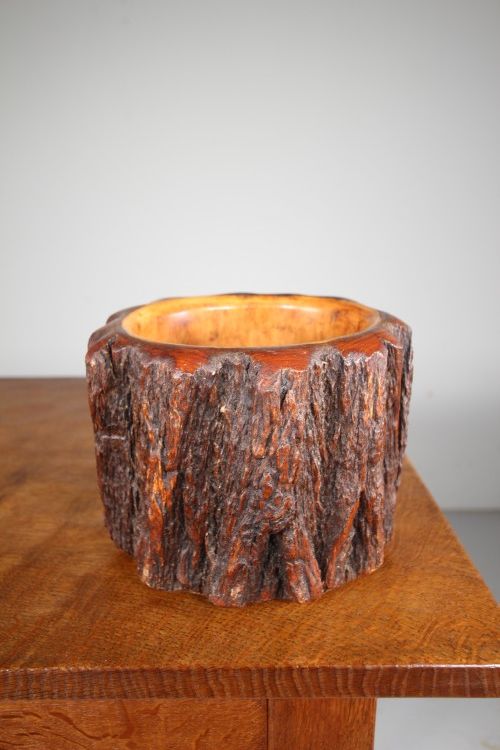
Turners shaped these items on lathes, harnessing the natural movement of the wood as it dried to create balanced forms. Artisans also utilised bark and root sections to produce primitive root bowls and tree stem containers with organic contours.
One unusual container in the archive likely spent its days catching wine dregs.
What varies in quality
The distinction between ordinary utility items and finer pieces lies in the balance of the turning and the depth of the surface patina. Vessels that display crisp tool marks alongside smooth, worn interiors reveal the skill of the original maker.
Proportion and timber selection heavily influence the character of each object. Sycamore with a warm, undulating grain and well-preserved dairy bowls command greater attention than heavily weathered or structurally compromised pieces.
The 19th Century Treen Bowl Glossary
- Treen
- Small handmade wooden objects for domestic use. The term covers everything from bowls and spoons to containers carved before mass production.
- Sycamore
- A pale, close-grained hardwood favoured for dairy vessels. It resists absorbing liquids and cleans easily.
- Patina
- The surface sheen and colour developed through years of handling, washing, and ageing. A good patina shows deep warmth without artificial polish.
- Vernacular
- Objects made by local craftspeople following regional traditions rather than high-style academic designs. Welsh vernacular pieces display distinct local turning traits.
- Turned
- Shaped on a lathe while rotating against cutting tools. This technique produced symmetrical bowls, stands, and pot components.
19th Century Treen Bowl: Frequently Asked Questions
What were 19th century treen bowls used for?
These wooden vessels served practical domestic roles in dairies, kitchens, and pantries across households. Dairy bowls held milk for the cream to rise, while other turned vessels stored spices, food, or coins.
Over decades of daily handling by families and workers, the wood absorbed oils and liquids, shaping the tactile surfaces seen today.
How can I tell Welsh treen apart?
Welsh pieces often feature specific regional turning profiles and local timbers like sycamore and fruitwood. Makers in these areas produced robust dairy bowls and vernacular items suited to local agricultural practices.
Comparing the rim thickness and base form against documented examples helps identify these distinct domestic origins.
Why do sycamore bowls look pale?
Sycamore timber naturally possesses a light, creamy colour that made it the preferred choice for dairy work. Frequent scrubbing with sand and water by past dairymaids kept the wood pale and hygienic.
This historical usage leaves the timber with a clean appearance that contrasts with darker walnut and fruitwood items.