



Hand Carved Wood Bowl
A hand carved wood bowl brings tactile warmth and organic grain into a room, shaped by the hands of makers centuries ago.
Hand Carved Wood Bowl
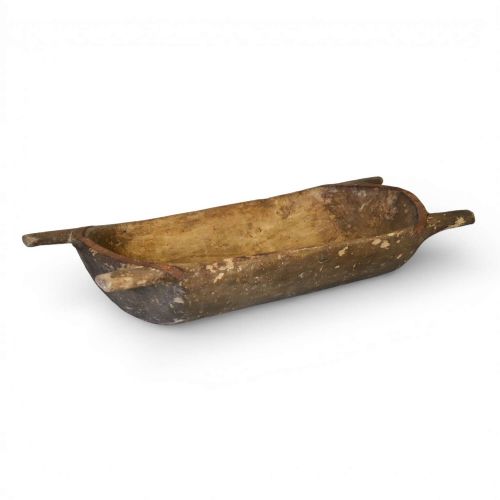
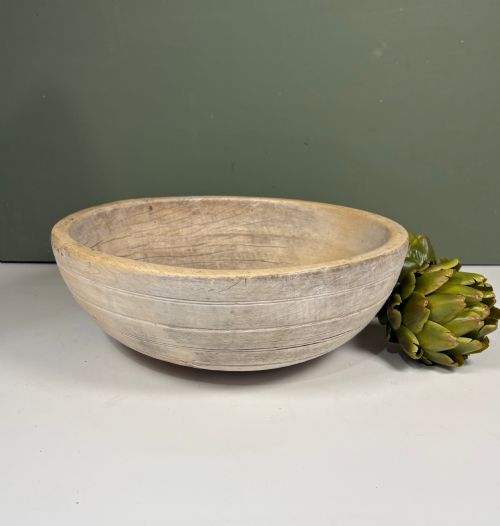
A hand carved wood bowl represents traditional domestic and utilitarian vessel-making from a range of historical periods, including the eighteenth, nineteenth, and early twentieth centuries. These objects served practical functions in rural kitchens, dairies, and households before transitioning into decorative items for modern interiors.
The selection on this page relies heavily on nineteenth-century examples alongside items dated around nineteen hundred and the eighteenth century. Regional forms span French, Swedish, Chinese, English, and Continental European traditions, often grouped under rustic country or folk art styles.
How they were made
Craftsmen shaped these vessels from solid wood and native timbers, selecting dense hardwoods and fruitwoods such as sycamore, olive wood, pine, oak, elm, birch, and shisham. Makers utilised traditional hand tools to carve and hollow the raw logs, leaving visible evidence of gouges and adzes across the surfaces.
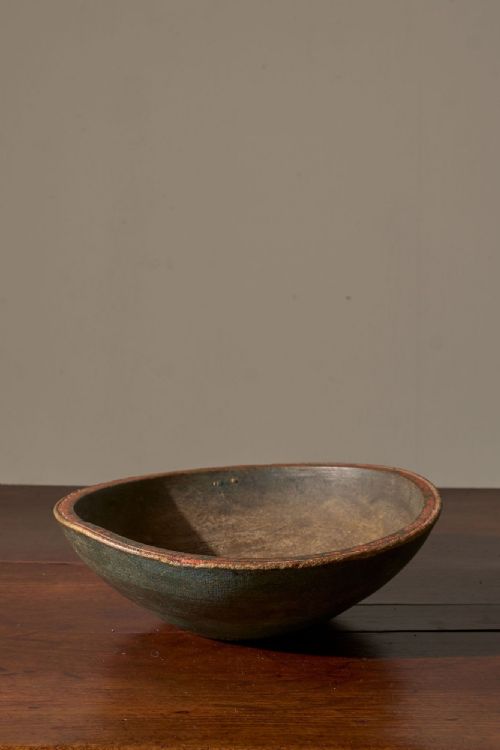
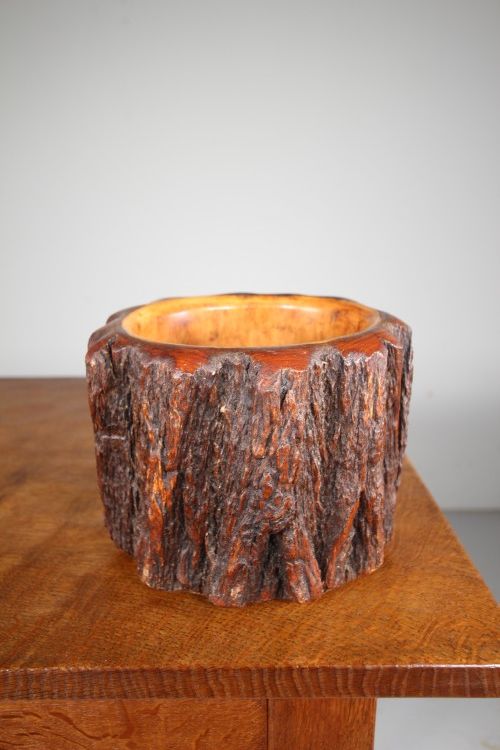
Certain pieces received additional surface treatments, including historical paint layers or bark retentions that highlight the natural edge of the timber. Polishing and daily handling over generations created deep patinas on the exposed wood grains.
Listings feature solid wood vessels from the eighteenth, nineteenth, and early twentieth centuries, spanning European, Asian, and Oceanic origins.
What varies in quality
Quality rests in the integrity of the timber selection and the harmony of the hand-carved proportions. Vessels carved from single blocks of dense wood without excessive structural splitting hold greater presence.
The depth and warmth of the surface patina distinguish exceptional examples from plain utility pieces. Original painted finishes or untouched tool marks elevate the character of a vessel.
The Hand Carved Wood Bowl Glossary
- Treen
- Small handmade wooden objects for domestic use. This term covers historical spoons, platters, and vessels shaped from timber.
- Patina
- The glossy sheen developed on wood surfaces through years of handling, polishing, and ageing. It indicates long-term use and care.
- Dug out
- A construction method where a single log is hollowed directly into a bowl or vessel form. This technique requires patient manual labour with specialised carving tools.
- Dairy bowl
- A wide, shallow wooden vessel used historically for setting milk and skimming cream. These pieces typically feature sturdy rims and stable flat bases.
- Mortar and pestle
- A heavy bowl paired with a club-shaped tool used for grinding and crushing substances. Wooden versions often display robust walls to withstand heavy impacts.
Hand Carved Wood Bowl: Frequently Asked Questions
How were these wooden bowls used?
These wooden bowls served practical daily tasks in historical households, ranging from kneading dough in large farmhouse kitchens to setting milk in dairies. They held foodstuffs, gathered dry goods, and functioned as heavy mortars for crushing ingredients.
Over decades of domestic service, the timber absorbed natural oils and underwent constant wear from wooden spoons and hands, creating the soft contours seen today.
Are these bowls safe for food?
Historical wooden vessels often carry centuries of accumulated oils, waxes, and dry use that make modern food safety standards difficult to guarantee. Most buyers choose to display them as decorative objects or use them dry for holding non-perishable items.
Applying modern food-safe mineral oils can condition dry historical timber, though porous surfaces from age require careful consideration before direct food contact.
How do I clean an antique bowl?
Cleaning requires a soft, dry cloth or a barely damp cloth with mild soap, followed immediately by thorough drying. Water left standing on historical wood will raise the grain and cause splitting.
Avoid soaking, harsh chemical cleaners, or modern dishwashers, which strip away the natural patina and crack old timber.
How can I tell the period?
Dating relies on observing the tool marks left by the maker, the species of timber, and the style of construction. Hand-dug vessels from the eighteenth and nineteenth centuries often display irregular adze or gouge marks distinct from later mechanical production.
Wear patterns around the rim and base, combined with the depth of the wood patina, provide further clues to a piece's age and regional origin.