
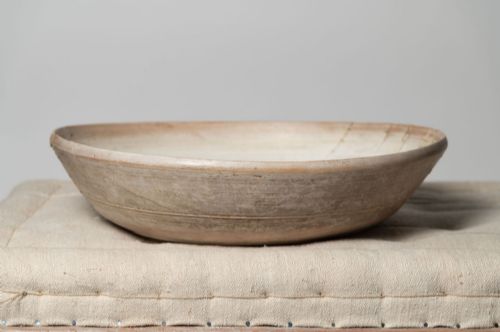
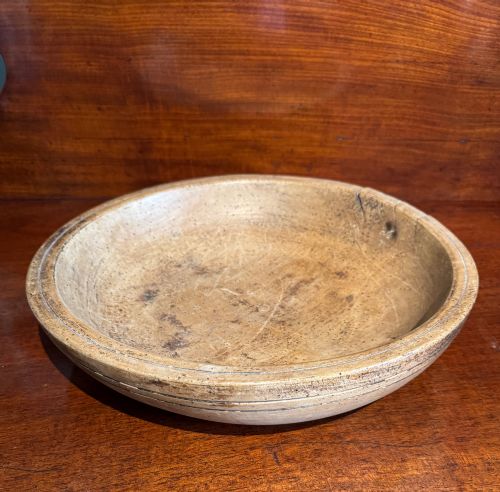
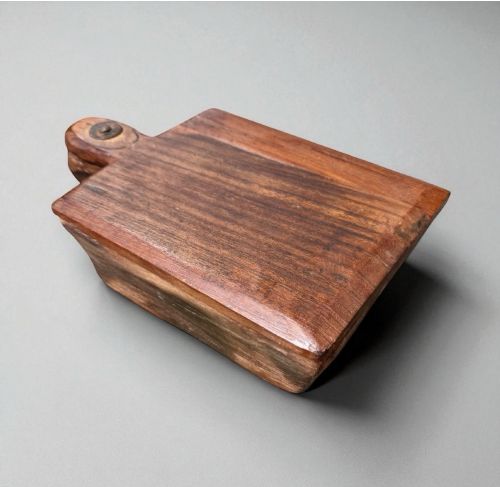
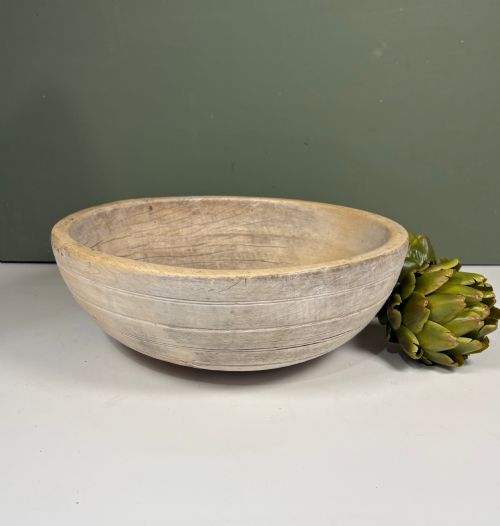



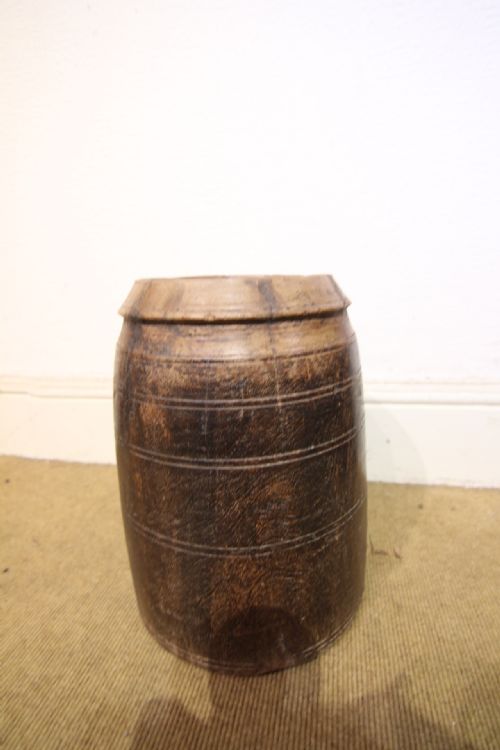

Rustic Wood Vessel
These rustic wood vessel examples are tactile utility objects shaped from timber, oak, pine and sycamore for daily domestic service.
Rustic Wood Vessel
When you search for rustic wood vessel, you encounter a diverse group of utilitarian items spanning dairy bowls, storage barrels, mortars, and dug out tree trunks. These pieces originate from domestic, agricultural, and trade settings across various countries and periods.
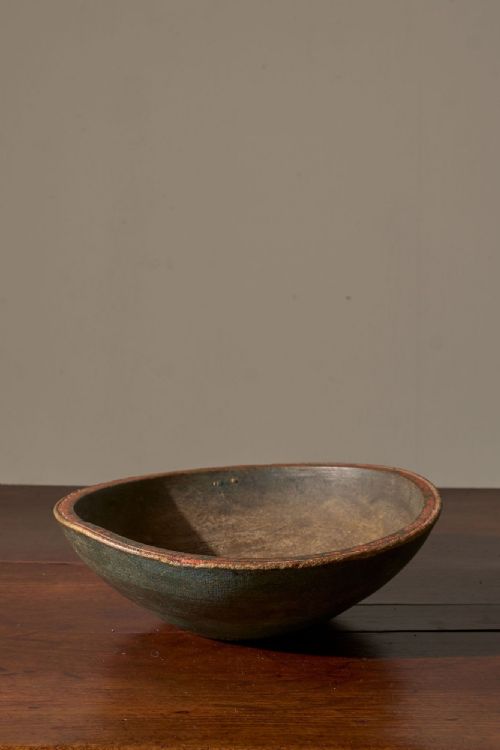
The selection on this page relies heavily on nineteenth-century forms alongside eighteenth-century painted Swedish pieces and early twentieth-century examples. Bowls and dairy vessels made from sycamore and pine appear most frequently among the listings.
Domestic containers include spice powder boxes, treen stem bowls, taper holders, and coopered jugs formed from oak and ash with metal bands. Each item reveals the practical demands of rural life through direct woodworking methods.
How they were made
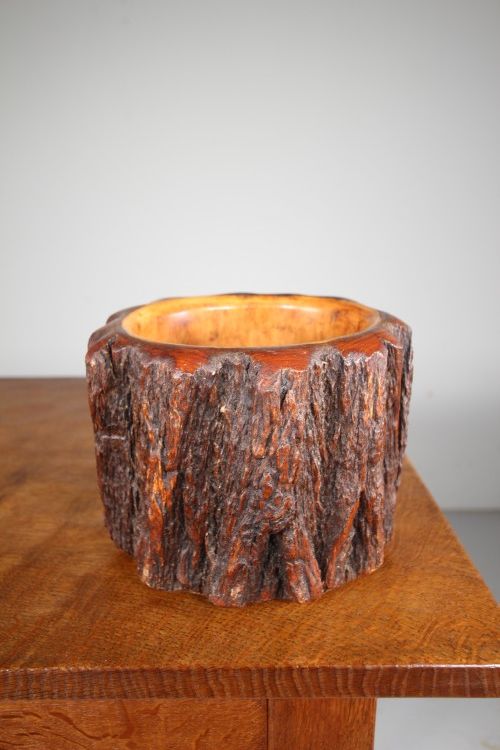
Maker methods combine turning on a lathe with hand carving from solid sections of timber. Craftsmen hollowed out tree trunks and logs to create dug out bowls, planters, and storage vessels without joining multiple boards.
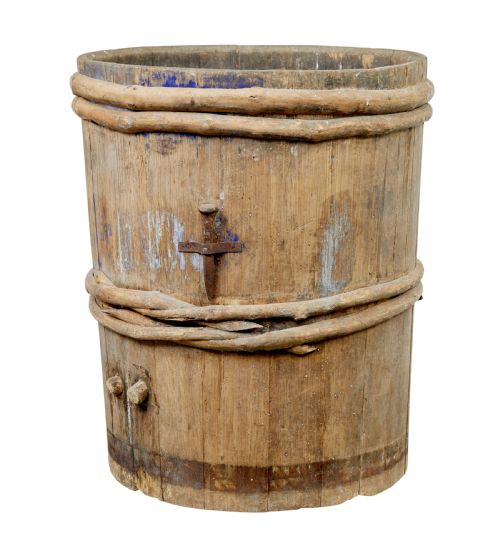
Stave construction appears in barrels, buckets, and jugs where curved pieces of wood are fitted together and secured with iron or brass bands. Surfaces display tool marks, lathe lines, and the natural grain of oak, pine, sycamore, and elm.
The listings feature nineteenth-century pieces alongside eighteenth-century Swedish items and early twentieth-century turned bowls.
What varies in quality
Quality rests upon the integrity of the original timber and the honesty of the surface condition. Pieces retaining their natural grain, tool work, and earned patination stand apart from those stripped or heavily restored.
Proportion and structural survival dictate desirability in larger items like storage barrels, well buckets, and dug out trunks. The relationship between the maker's hand and the utility of the object governs the character of each piece.
The Rustic Wood Vessel Glossary
- Treen
- Small handmade wooden domestic objects produced prior to the widespread use of ceramics and plastics. This term covers items ranging from spice boxes to taper holders and small bowls.
- Dairy bowl
- A wide, shallow wooden basin utilised for setting milk to allow the cream to rise to the top. Sycamore proved a preferred material for these vessels due to its non-porous qualities.
- Coopered
- Built from vertical wooden staves fitted together to form a hollow cylinder and held in place by metal or wooden hoops. This technique applies to barrels, buckets, and jugs.
- Dug out
- Formed by excavating the interior of a single solid section of a tree trunk or log. This method yields primitive bowls, troughs, and planters with thick walls.
- Searce
- A fine sieve or sifter utilised in earlier domestic kitchens and trades for separating powders or grains. These treen items reflect specialised domestic tasks.
Rustic Wood Vessel: Frequently Asked Questions
What were these wooden vessels used for?
These items served practical roles in domestic work, agriculture, and food preparation across rural households. Dairy bowls held milk for cream separation, while barrels and buckets stored water, dry goods, or provisions.
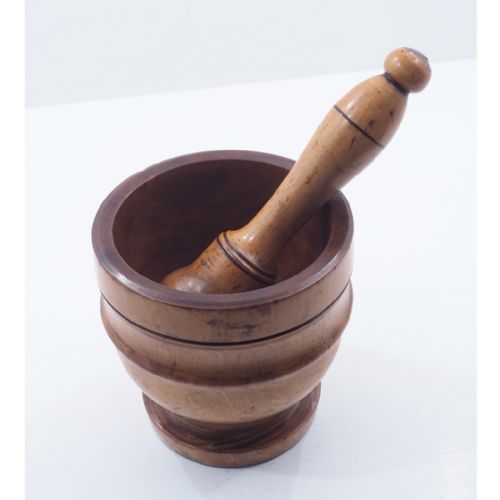
Smaller items functioned as spice containers, mortars for grinding ingredients, or specialised trugs for gathering produce. Their forms directly mirror the specific daily tasks required by rural communities.
How do I care for rustic wood vessels?
Keep these pieces away from direct heat sources, strong sunlight, and rapid humidity changes to prevent the timber from splitting or warping. Dust them gently with a dry cloth and avoid harsh chemical cleaners.
Applying a light, natural wax occasionally helps maintain the dry surface texture and nourishes the historic wood without obscuring the patina.
How can I tell the period of a wooden bowl?
Dating relies upon observing tool marks, timber choice, construction methods, and the natural wear accumulated over centuries of use. Eighteenth and nineteenth-century pieces often display hand-turned ridges and older surface patination.
Comparative study of regional styles, such as Scandinavian painted finishes or French sycamore dairy forms, helps narrow down the origin and time period.
Are these vessels food safe?
Most antique wooden containers retain historical surface finishes, wax, or residues from their original agricultural uses. Using them for modern food preparation is generally discouraged.
They function best as decorative objects, dry storage containers, or display pieces that showcase their aged timber and historic character.