


Antique Kitchenalia Treen
These pieces of antique kitchenalia treen are domestic wooden implements shaped by hand for daily use in early kitchens and dairies.
Antique Kitchenalia Treen
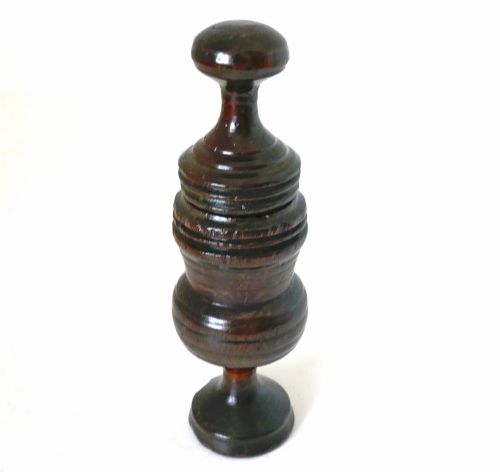
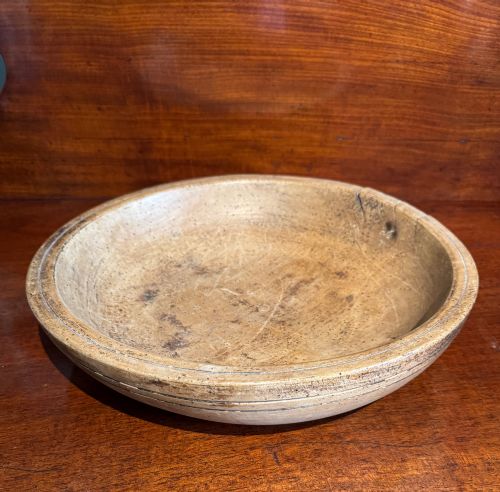
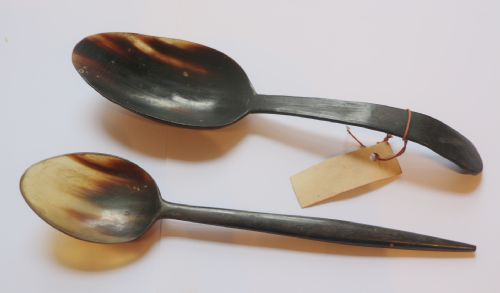
When you search for antique kitchenalia treen, you encounter functional wooden objects made for food preparation, storage and service in domestic spaces. These include dairy bowls, spice towers, butter prints, scoops and graters shaped by turners and rural makers.
The pieces on this page span from the seventeenth century through the Georgian era and into the nineteenth century. Dairy bowls, spice towers and butter prints in sycamore, fruitwood and pine appear most frequently.
Origins stretch across England, Wales, France and Scandinavia, reflecting local timber traditions and regional culinary habits. Each object served a distinct purpose in the kitchen, from grinding spices to skimming cream and moulding butter.
How they were made
Makers utilised native hardwoods such as sycamore, fruitwood, boxwood, birch, pine and lignum vitae, chosen for their density, grain and resistance to splitting under moisture. Turning on a lathe formed circular vessels, bowls and spice towers, while adzes and hand tools shaped scoops, troughs and ladles.
Detail work relied on carving, incising and branding, visible in butter prints with wheat or acorn motifs and spice graters shaped like wine bottles. Metal components such as rasps, hinges and strainers were integrated into turned wooden housings for functional tasks.
The listings on this site feature nineteenth-century items alongside seventeenth and eighteenth-century pieces, spanning English, Welsh, French and Scandinavian origins.
What varies in quality
Quality rests in the harmony between original toolmarks, surface patination and structural integrity. A piece retaining deep, honest use and a rich, darkened skin from decades of handling surpasses one stripped or overly cleaned.
Proportion and turning skill separate standard domestic work from exceptional examples. Clean lines on a spice tower or a well-balanced dairy bowl demonstrate the maker's proficiency with the lathe.
The Antique Kitchenalia Treen Glossary
- Treen
- Small handmade wooden domestic objects. The term derives from the Middle English word for tree.
- Sycamore
- A dense hardwood favoured for dairy utensils and kitchen items. It does not impart taste or odour to food.
- Spice Tower
- A multi-tiered turned wooden container used to store various spices. Sections typically thread or fit together closely.
- Butter Print
- A carved wooden stamp or mould used to impress designs onto blocks of butter. Common motifs include wheatsheaves and acorns.
- Dairy Bowl
- A wide, shallow wooden vessel used for setting milk to allow the cream to rise. These were essential in traditional butter and cheese production.
Antique Kitchenalia Treen: Frequently Asked Questions
What is antique treen kitchenalia?
Antique treen kitchenalia comprises functional wooden implements used in historic kitchens, dairies and larders. These objects include bowls, scoops, spice containers and graters made by turners and rural craftspeople.
They represent daily domestic life before mass production, combining utility with regional woodworking traditions across Britain and continental Europe.
How were wooden dairy bowls used?
Wooden dairy bowls held freshly milked cow or goat milk in the cool environment of the dairy. Their wide, shallow shape allowed cream to rise naturally to the surface for skimming.
Sycamore was the preferred wood for these vessels because it resisted absorbing fats and remained stable despite frequent washing.
How do I care for antique treen?
Keep antique treen away from direct heat sources, strong sunlight and rapid humidity changes to prevent the wood from drying out and splitting. Dust gently with a dry cloth and avoid harsh chemical cleaners.
Occasional application of food-safe mineral oil helps maintain the moisture and natural patination of historic wood surfaces.
What are spice towers used for?
Spice towers are stacked turned wooden containers designed to hold multiple powdered spices in a single vertical unit. Each section fits securely into the next to preserve the contents.
They sat on kitchen counters or dining tables in past centuries when spices were costly and measured carefully for cooking.