

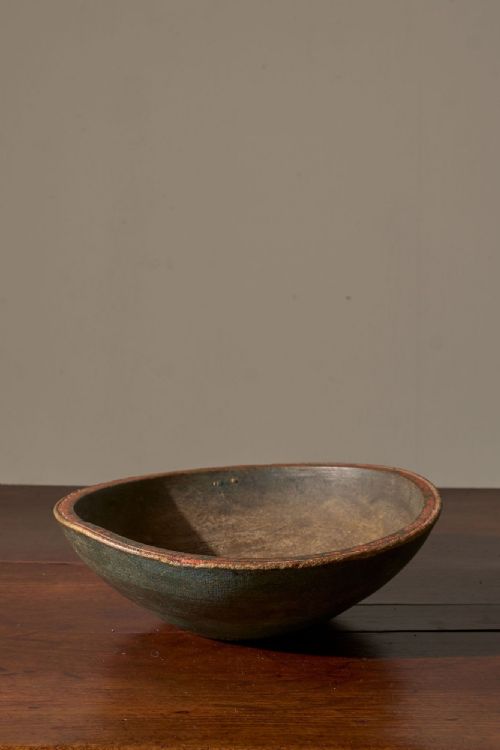


Antique Wooden Dough Bowl
An antique wooden dough bowl brings centuries of utilitarian history and warm timber character into a modern interior.
Antique Wooden Dough Bowl
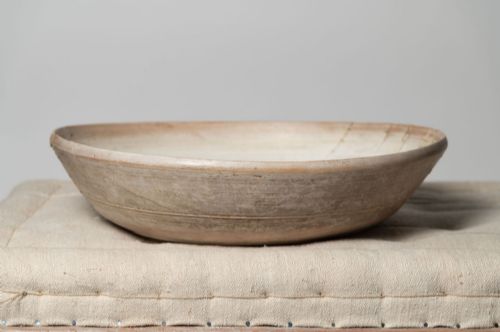
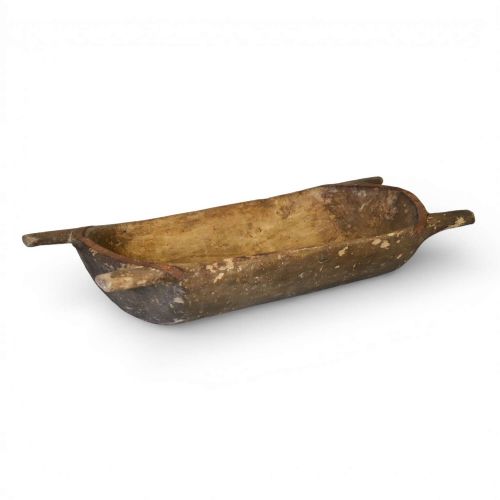
When you search for an antique wooden dough bowl, you encounter domestic vessels shaped by hand for rural life. These pieces include dairy bowls, kneading troughs, platters, and dug-out vessels originating from various European and international traditions. The examples available here span the eighteenth, nineteenth, and early twentieth centuries, reflecting the widespread agricultural need for practical wooden containers.
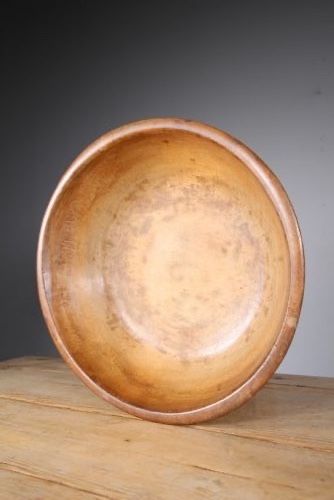
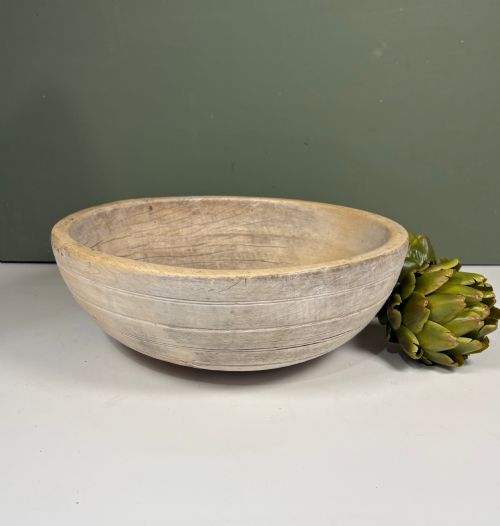
You are most likely to meet nineteenth-century sycamore dairy bowls and French farmhouse kneading bowls on this page. These items range from smaller turned treen dishes to large, heavy platters and dug-out bowls. Styles lean heavily towards rustic country, Scandinavian, and folk art traditions, showing utilitarian forms meant for daily service.
How they were made
Maker's hands shaped these objects from solid timber, utilising woods such as sycamore, pine, birch, and shisham. Artisans dug out large blocks of timber or turned them on lathes to create functional domestic vessels. Tool marks remain visible across the surfaces, recording the primary methods of historical woodworking.
Selected pieces retain traces of early paint or hand-polished finishes that developed through decades of domestic use. Iron elements appear occasionally on specific forms, while natural oils and daily handling contributed to the deep patinas seen today.
Designations across the inventory include Swedish country, French farmhouse, and Indian folk art traditions.
What varies in quality
The distinction between ordinary and exceptional pieces lies in the depth of the timber's patina and the integrity of the original form. Sycamore bowls with warm, honeyed tones and smooth, tactile surfaces sit at a higher level than heavily weathered equivalents. The balance between utilitarian wear and structural survival dictates the standing of each individual piece.
Proportions and scale also influence desirability, particularly in larger French kneading troughs and Swedish dairy bowls. Untouched surfaces carrying early paint finishes or rich, uncleaned patinas elevate a domestic object into a notable example of folk art.
The Antique Wooden Dough Bowl Glossary
- Treen
- Small handmade wooden domestic objects produced before the widespread adoption of ceramics and plastics. These encompass everything from spoons and cups to small bowls.
- Patina
- The surface sheen and colour acquired by wood through decades of handling, polishing, and natural ageing. This quality develops slowly and cannot be artificially replicated with ease.
- Dairy bowl
- A wide, shallow wooden vessel historically utilised for setting milk and skimming cream. Their generous diameters made them versatile for various kitchen tasks.
- Dug-out
- A method of construction where a single solid log is hollowed out to form a vessel. This technique produces robust, heavy items with thick walls.
- Folk art
- Utilitarian objects decorated or shaped by rural makers without formal academic training. These pieces embody regional traditions and personal craftsmanship.
Antique Wooden Dough Bowl: Frequently Asked Questions
What is an antique wooden dough bowl used for?
These vessels originally served practical rural functions such as kneading bread dough, setting milk in dairies, or holding provisions in farmhouse kitchens.
Today, buyers repurpose them as decorative centrepieces, fruit bowls, or display platters within contemporary living spaces.
How do I clean an antique wooden bowl?
Maintain the timber by wiping surfaces gently with a dry or barely damp cloth, avoiding prolonged exposure to water or harsh detergents.
Applying occasional food-safe mineral oil helps preserve dry wood without damaging historical patinas.
How can I tell the age of a wooden bowl?
Age is indicated by tool marks left from hand-carving or early lathe turning, the species of timber used, and the depth of the surface patina.
Eighty to two hundred years of handling create wear patterns and colour changes that modern reproductions fail to replicate.
Are these bowls food safe?
Many historical vessels accumulated residues from milk, flour, or old finishes over centuries of domestic service.
While some owners use them for dry foodstuffs, most collectors prefer to display them as decorative objects rather than active kitchenware.