




Rustic Timber Dough Trough
These rustic timber dough trough examples are honest country pieces valued for their rich patinas and heavy, utilitarian timber construction.
Rustic Timber Dough Trough
When you search for a rustic timber dough trough, you encounter sturdy utilitarian vessels and bins designed for preparing bread in domestic kitchens. The examples on this page span the eighteenth, nineteenth, and early twentieth centuries, reflecting long periods of daily agricultural use.
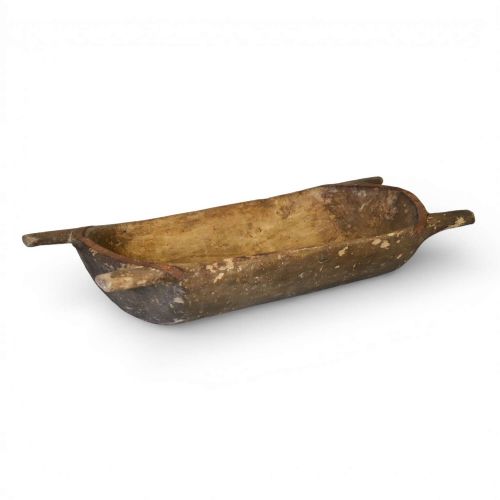
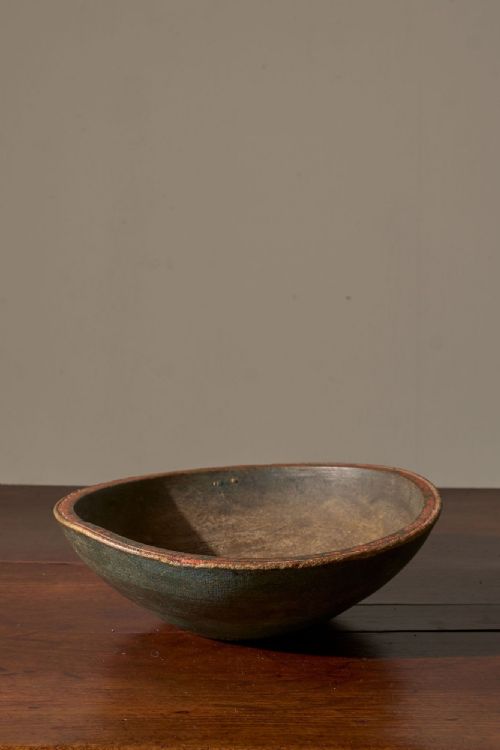
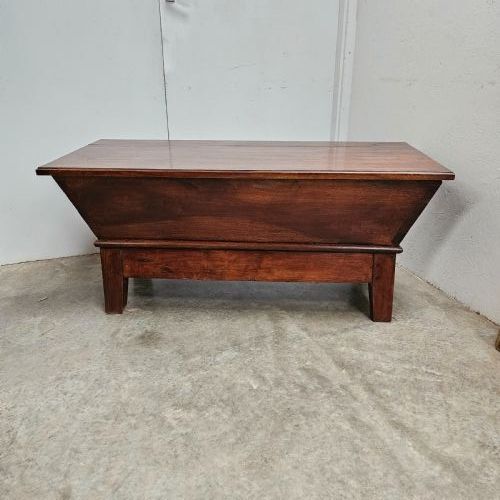
You are most likely to meet French and Scandinavian country forms, often described as dough bins, proving boxes, or carved bowls. These objects range from deep rectangular troughs to round turned vessels shaped from solid woods.
Makers shaped these utilitarian items to withstand heavy kneading and mixing without modern mechanical aids. Their simple silhouettes suit modern interiors that favour honest textures and historical depth.
How they were made
Carpenters and turners utilised solid woods such as pine, walnut, oak, elm, sycamore, and painted surfaces to construct these functional pieces. Craftsmen hollowed out large blocks of timber or joined thick planks with simple pegged or nailed joints.
Makers often left tool marks visible across the interior and exterior surfaces from initial chopping and digging out. Subsequent decades of scrubbing and handling produced the warm patinas valued by collectors today.
Current listings span solid pine, walnut, oak, elm, and sycamore timbers across eighteenth, nineteenth, and early twentieth-century periods.
What varies in quality
The distinction between standard domestic items and superior examples lies in the depth of the timber's patina and the integrity of the original construction. Pieces that retain their early painted finishes or show deep hand-carving display greater character than plain later surfaces.
Proportions also determine quality, as wider troughs and deeper bins with balanced, unwarped sides command stronger visual presence. Wear patterns tell an honest story of use, provided the underlying structure remains sound and undisturbed.
The Rustic Timber Dough Trough Glossary
- Patina
- The surface sheen and colour developed over decades of handling, cleaning, and ageing. It acts as a primary indicator of historical depth.
- Proving box
- A container or coffer used to hold dough while yeast ferments before baking. These often feature tight-fitting lids to retain warmth.
- Dug out
- A descriptive term for bowls and troughs hollowed directly from a single solid log rather than assembled from separate staves.
- Sycamore
- A dense hardwood commonly utilised for domestic dairy equipment and treen because it resists splitting when exposed to moisture.
Rustic Timber Dough Trough: Frequently Asked Questions
What is a rustic timber dough trough used for?
These pieces served as dedicated vessels for mixing, kneading, and proving bread dough in traditional farmhouses before commercial baking became common.
Today, buyers repurpose them as decorative storage containers, coffee table centerpieces, or display items for botanical arrangements.
How do I care for antique wooden dough bins?
Keep wooden troughs away from direct heat sources and extreme humidity fluctuations to prevent the solid timber from splitting or warping.
Apply occasional natural wax or mineral oil if the wood appears dry, maintaining the breathable surface without sealing the historic grain.
How can I tell the age of a wooden bowl?
Age is determined by observing tool marks, timber shrinkage, and the depth of the accumulated patina across the handled surfaces.
Earlier eighteenth and nineteenth-century examples often display hand-dug tool facets and older joinery methods compared to twentieth-century alternatives.
Are these troughs made from a single log?
Many examples are hollowed from a single piece of solid wood, referred to as dug-out bowls or troughs.
Others utilise thick pine, walnut, or oak planks joined at the corners with pegged construction to form deep rectangular bins.