


Early 20th Century Bowl
An early 20th century bowl brings varied materials and forms from glass to timber into domestic spaces.
Early 20th Century Bowl
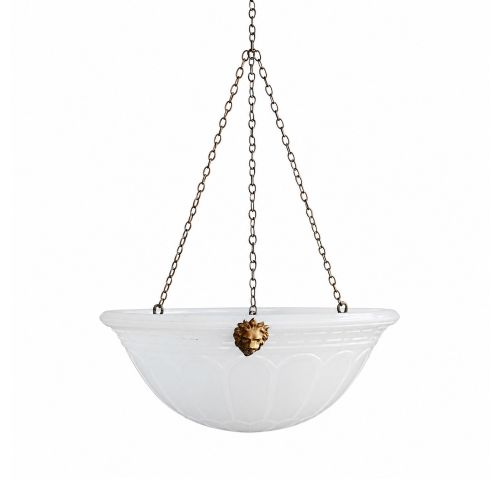
When you search for an early 20th century bowl, you encounter a wide selection of utilitarian vessels, decorative centerpieces, and serving dishes produced during the Edwardian era and the decades immediately following. These items bridge traditional craftsmanship with early modernist design sensibilities, reflecting the domestic habits of the period.
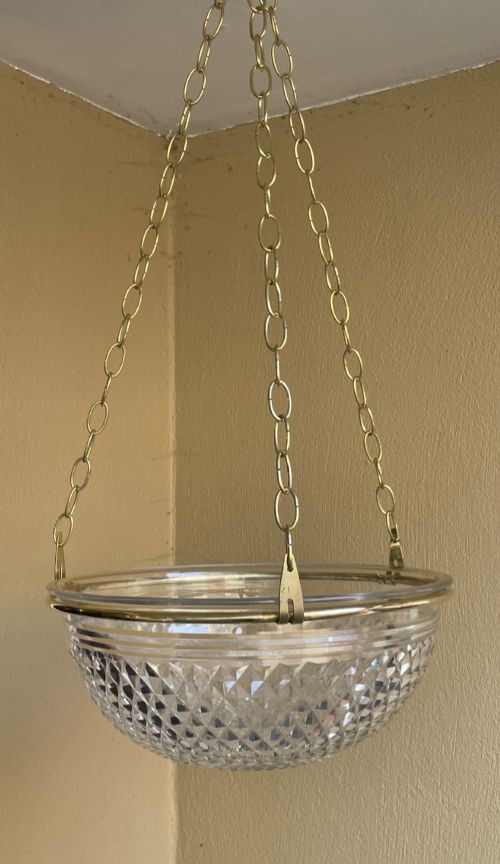
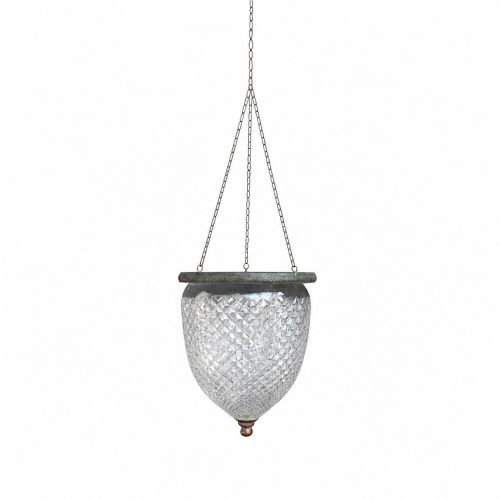
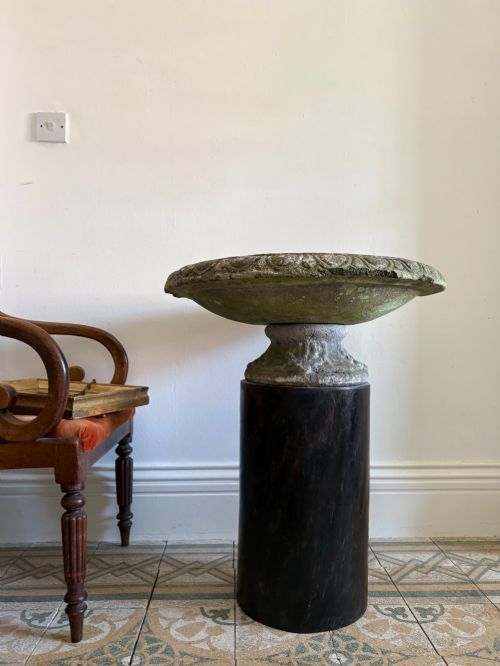
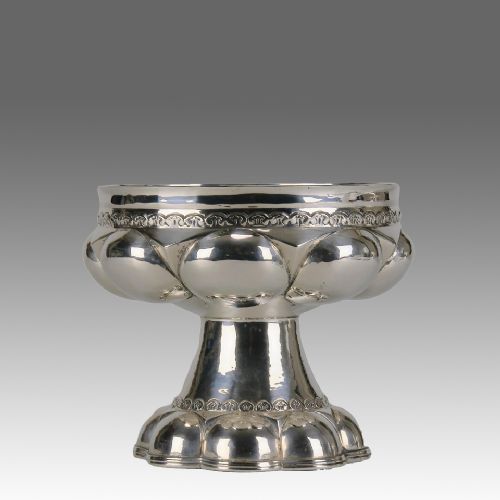
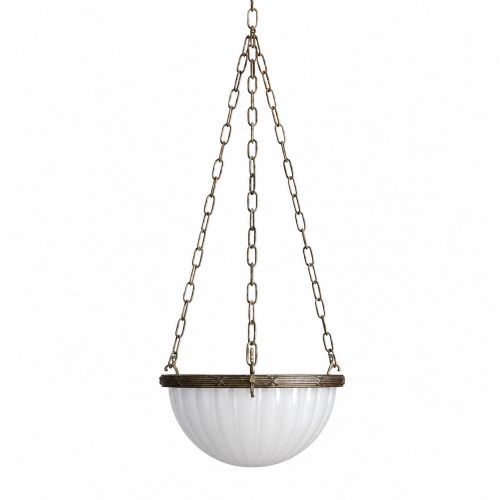
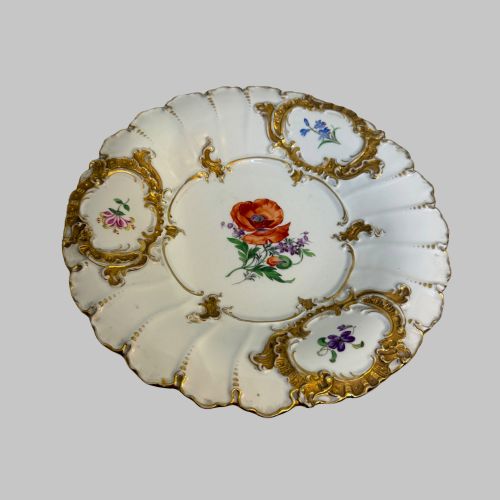
The objects span solid timber carved items, porcelain punch bowls, silver-plated strawberry dishes, and intricate cut glass plafonniers or lighting components. Forms range from heavy garden planters and compotes to delicate Meissen floral dishes and Chinese bronze jardinières.
Origin points vary widely, covering English workshops, French silversmiths, German porcelain factories, and Asian export markets. This diversity means buyers find both rustic wooden items and highly formal gilt bronze and moonstone glass creations under the same heading.
Materials and construction methods
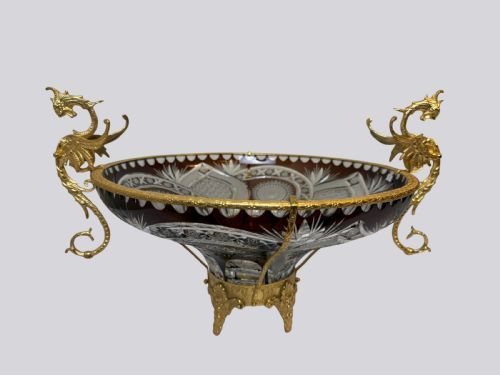
Many items utilise hand carving techniques on timber, resulting in robust dug out wooden bowls with distinct tool marks and weathered surfaces. Other pieces rely on cast metals like bronze and brass, often paired with hand-cut or moulded glass elements.
Ceramic and porcelain examples involve traditional glazing and firing methods, sometimes enhanced with hand-painted floral motifs, gilt bronze mounts, or silver wirework. Glass pieces demonstrate moulding, cutting, and specialised treatments such as the characteristic iridescence of Fairyland Lustre or the cloudy opacity of moonstone glass.
A carved wooden bowl shares space with giant clam shells made from composition material.
Distinctions in craftsmanship and finish
Quality in these vessels depends heavily on the precision of the hand-carving or the clarity and depth of the cut glass. Superior metalwork shows crisp detail in chased or cast mounts rather than soft, indistinct edges.
The reputation of the maker or factory plays a significant role, with established names like Meissen, Wedgwood, or R. Lalique demonstrating higher standards of painting, glaze formulation, and material purity than anonymous utilitarian wares.
Nathan and Hayes·Meissen·Wedgwood·Daisy Makeig-Jones·R Lalique·Henri Lapeyre
The Early 20th Century Bowl Glossary
- Plafonnier
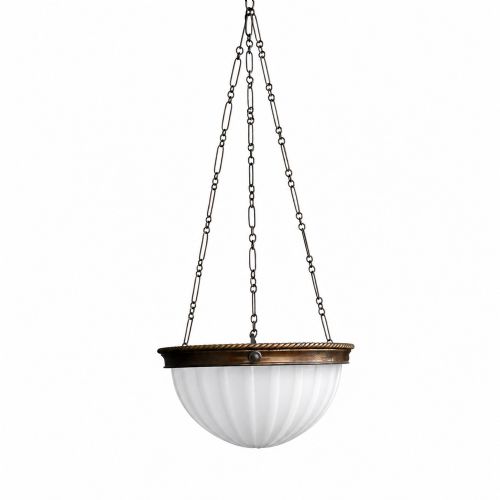
- A ceiling-mounted bowl light fixture that sits flush or close to the ceiling. These often feature cut glass or moonstone surfaces to diffuse light evenly.
- Compote
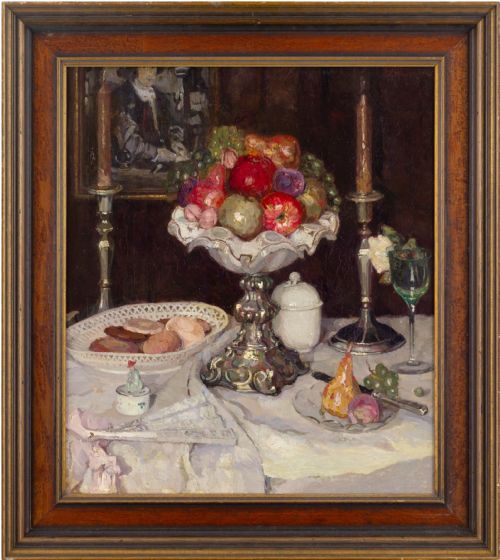
- A raised bowl on a stem, traditionally used for serving fruit or sweets. They appear in silver wirework, glass, and ceramic.
- Jardiniere
- An ornamental pot or bowl designed to hold a plant or floral arrangement. Examples in the archive include heavy bronze and glazed earthenware versions.
- Cloisonne
- A decorative metalwork technique where thin wire creates compartments filled with enamel paste. These are fired to produce intricate patterns.
- Lustre
- A type of ceramic glaze that imparts a metallic or iridescent sheen. This effect requires specialised firing techniques in a reduction kiln.
Early 20th Century Bowl: Frequently Asked Questions
How were these bowls originally used?
Many served specific culinary functions, such as punch bowls, strawberry dishes, and caviar ice servers, while others held fruit or floral arrangements.
Larger variations functioned as architectural elements, including garden planters, birdbaths, and ceiling light fittings.
What materials are most common?
The selection includes cut glass, moonstone glass, various woods, porcelain, brass, and silver-plated metals.
Bronze and cast stone also appear frequently among the heavier decorative and garden items.
How do I identify the period?
Stylistic cues such as Edwardian restraint, Arts & Crafts handcrafting, or Neoclassical motifs point toward the early decades of the twentieth century.
Maker marks, signatures, and material compositions help narrow the production date alongside broader design trends.
Can these glass bowls be used for food?
Most cut glass and porcelain bowls remain suitable for serving dry goods or presentation purposes.
Historic pieces with delicate gilding or silver wirework require careful hand washing to preserve the surface.
How should I display a heavy wooden bowl?
Dug out timber bowls work well as standalone centrepieces on dining tables or sideboards.
Their natural wood grains and carved textures complement rustic and minimalist interiors alike.