




Antique Wooden Bowl
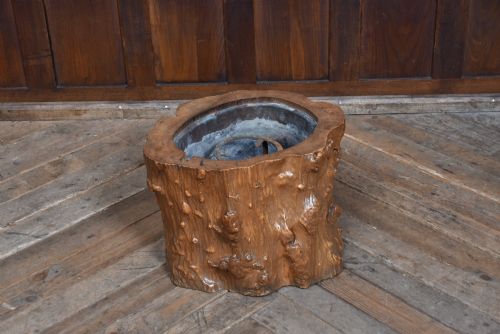
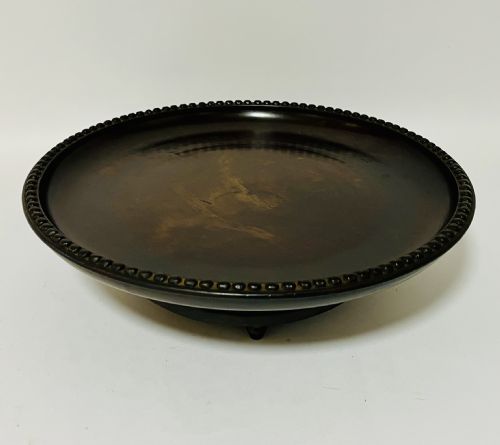
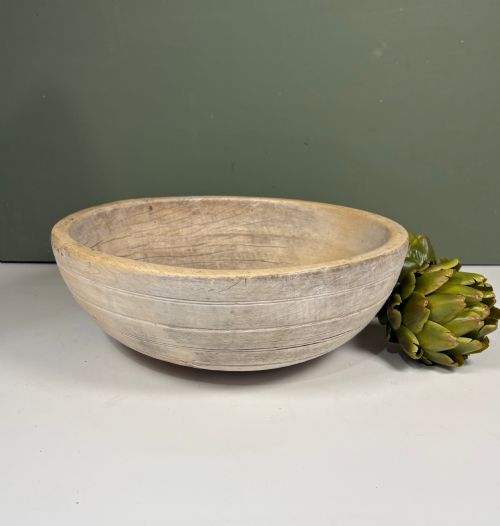
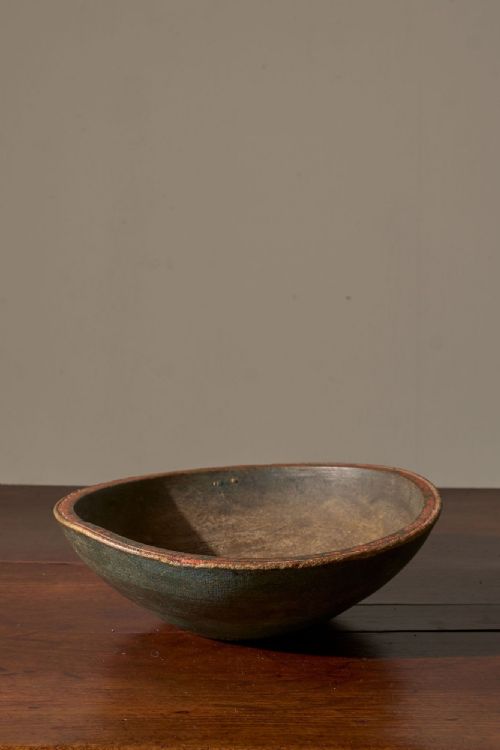
An antique wooden bowl brings centuries of utilitarian craftsmanship into modern rooms, offering tactile warmth and historic character.
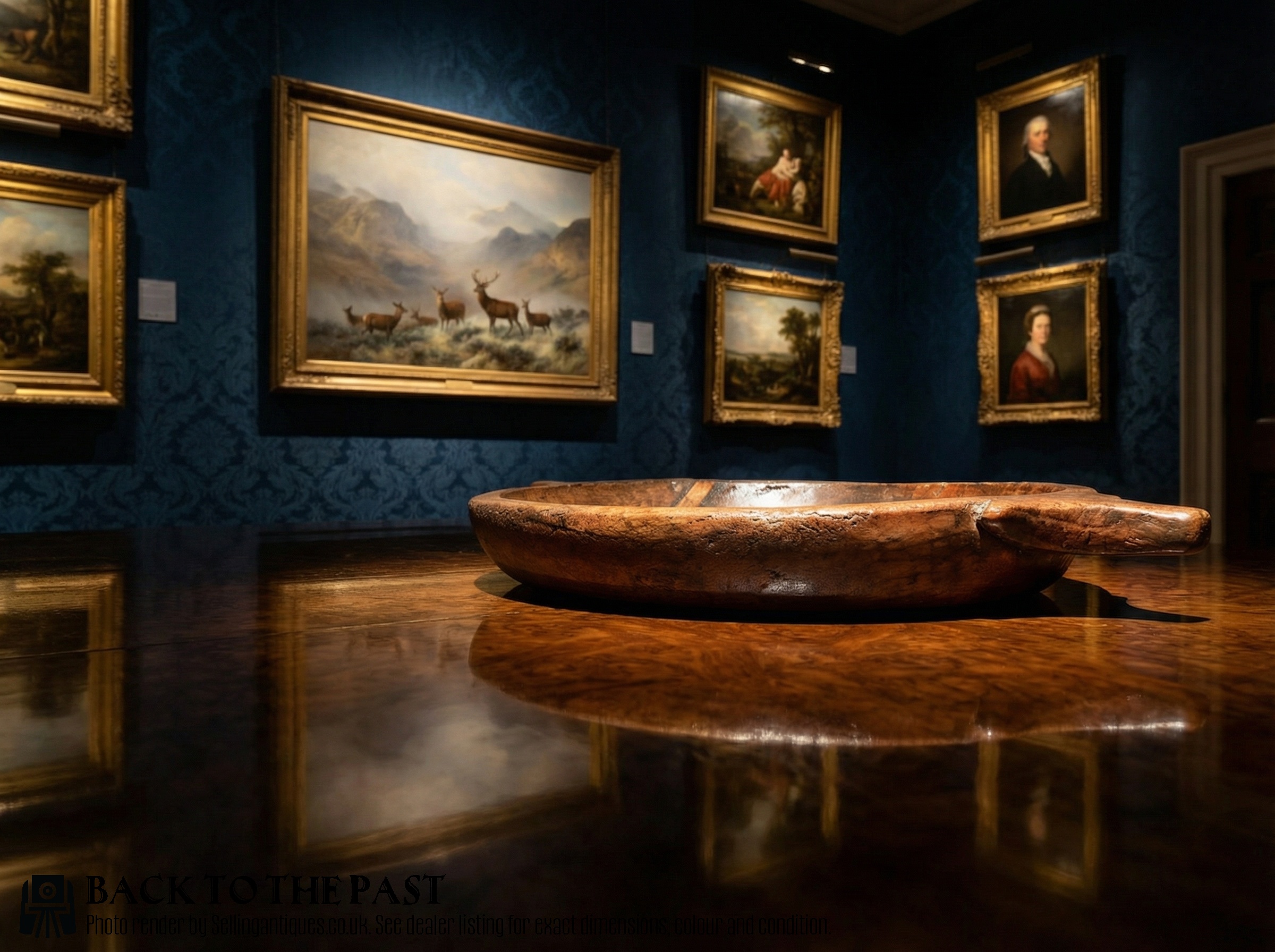
Antique Wooden Bowl
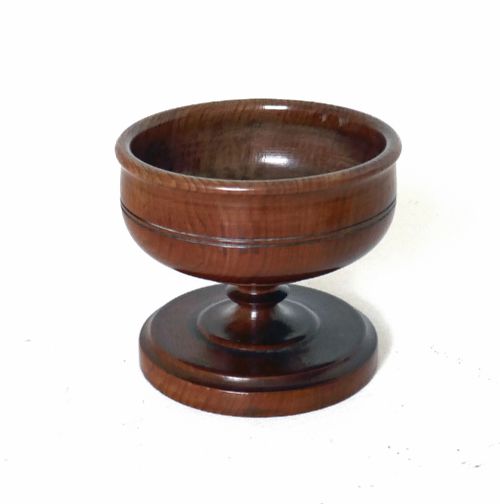
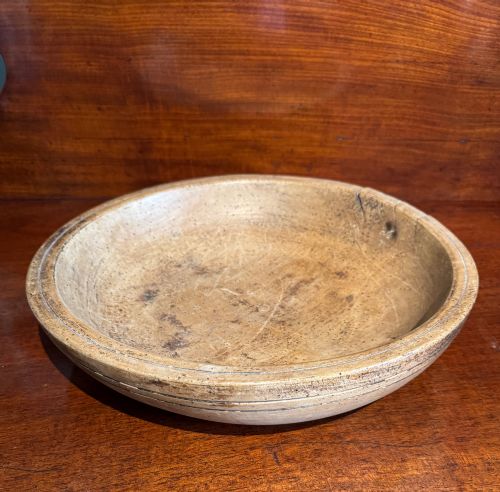
An antique wooden bowl encompasses domestic vessels created across the eighteenth, nineteenth, and early twentieth centuries for daily practical use. Buyers encounter utilitarian dairy bowls, table serving vessels, and turned treen pieces originating from English, French, and Scandinavian workshops.
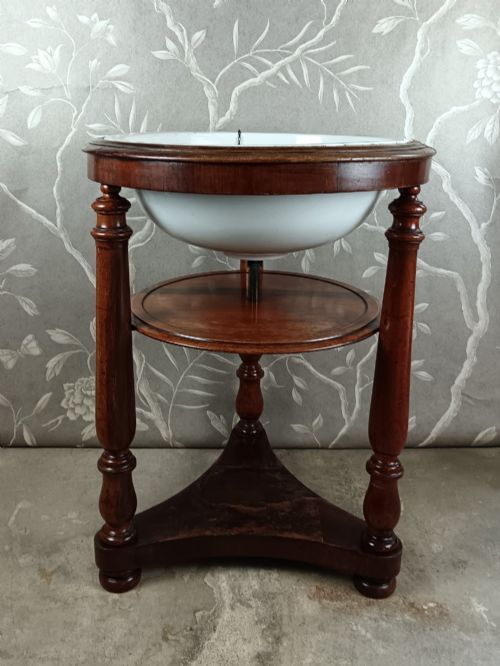
Beyond standard serving vessels, the category includes specialised forms such as tea caddies fitted with interior glass bowls, mortar and pestle sets, and decorative centrepieces. Each object demonstrates how historic households utilised native hardwoods for everyday domestic labour.
How they were made
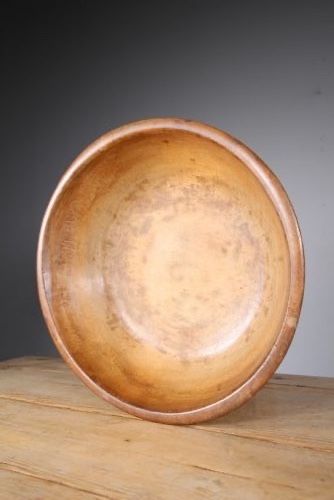
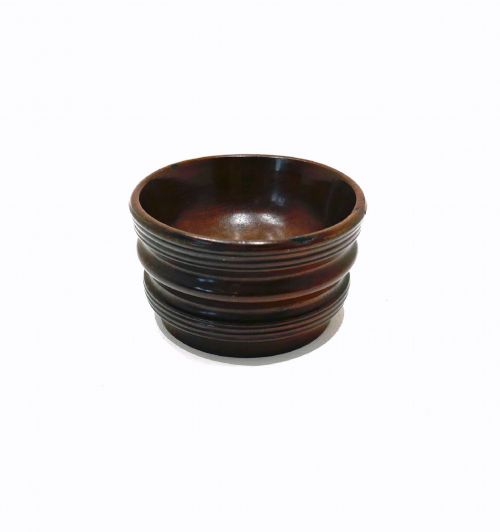
Craftsmen shaped these vessels primarily on lathes using native hardwoods such as sycamore, ash, laburnum, and walnut. Turning green timber allowed makers to utilise the natural movement of the wood as it dried, resulting in stable, balanced forms.
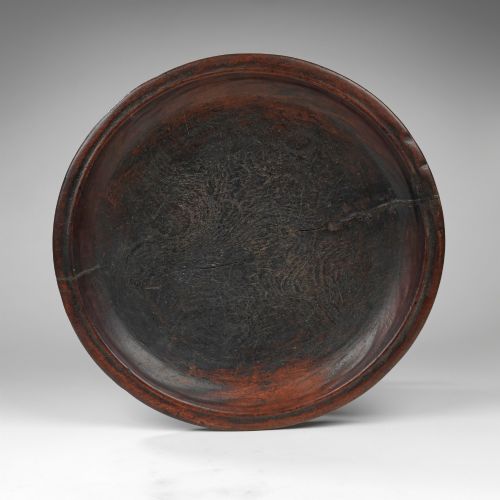
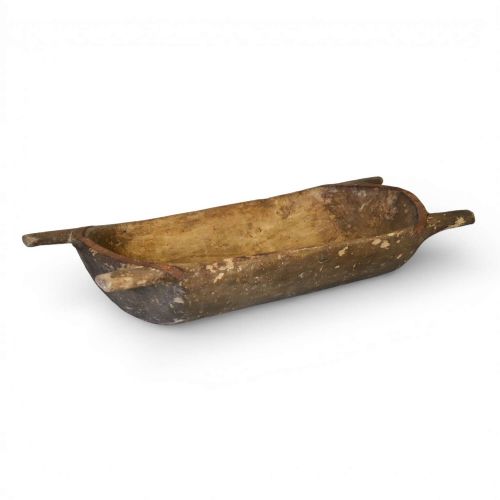
Larger agricultural troughs and kneading bowls were hollowed from single blocks of timber using specialised adzes and gouges. Artisans often reinforced certain pieces with brass or silver-plated mounts, combining functional utility with decorative metalwork.
Antique Wooden Bowl Retail Price Guide 2026
Typical asking prices for wooden bowl among the pieces listed under this phrase on Sellingantiques today, from the lower quarter to the upper quarter. They describe what is for sale here now, not the wider market.
One unexpected survival is a set of sixteen Scottish laburnum carpet bowls, ready for an indoor lawn game.
What varies in quality
Quality rests upon the purity of the turning, the depth of the natural patina accumulated through decades of use, and the structural integrity of the timber. Fine examples display crisp tool marks and balanced proportions without excessive distortion.
The choice of timber significantly influences the desirability of a piece, with dense fruitwoods and figured walnuts achieving richer surface textures. Original finishes and untouched historic surfaces elevate the standing of a vessel far above heavily restored equivalents.
The Antique Wooden Bowl Glossary
- Treen
- Small handmade wooden objects for domestic use. This term covers everything from turned salt cellars to bowls.
- Dairy bowl
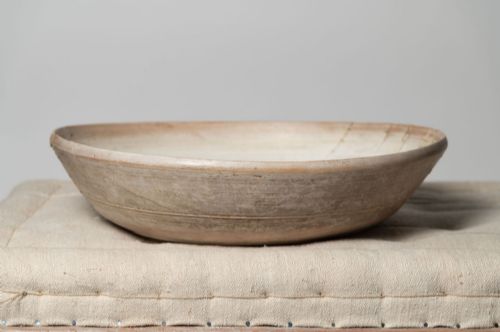
- A shallow vessel used historically for setting milk and skimming cream. These are typically fashioned from sycamore to resist absorbing liquids.
- Tea caddy
- A box designed to store tea leaves securely, frequently housing an internal glass mixing bowl. Regency and Georgian examples often feature mahogany or rosewood veneers.
- Patina
- The surface sheen and coloration developed through handling, ageing, and waxing over many decades. It serves as a key indicator of genuine age.
- Mortar
- A heavy bowl used with a pestle for crushing ingredients. Examples recorded in walnut and hardwood date back to the eighteenth century.
Antique Wooden Bowl: Frequently Asked Questions
How were antique wooden bowls used?
These vessels served practical domestic roles ranging from dairy work and food preparation to holding fruit and serving at the table.
Larger troughs prepared dough in farmhouses, while smaller turned bowls managed dairy separation or held table salt.
What woods were used for these bowls?
Makers utilised accessible domestic hardwoods including sycamore, ash, laburnum, walnut, and mahogany.
Sycamore remained popular for dairy use because the timber does not impart strong flavours to milk or cream.
How do I care for an antique bowl?
Keep wooden pieces away from direct heat sources and dramatic humidity changes to prevent the timber from splitting.
Apply occasional traditional wax to nourish the dry grain and maintain the protective surface sheen.
How can I tell the age of a bowl?
Dating relies on observing tool marks, timber choice, wear patterns, and overall construction methods characteristic of specific centuries.
Turned artefacts from the Georgian and Victorian eras exhibit distinct lathe work and ageing traits absent in modern reproductions.