

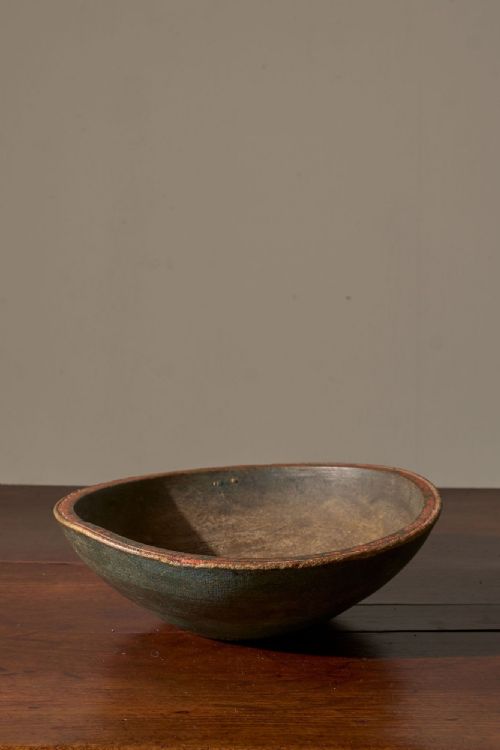
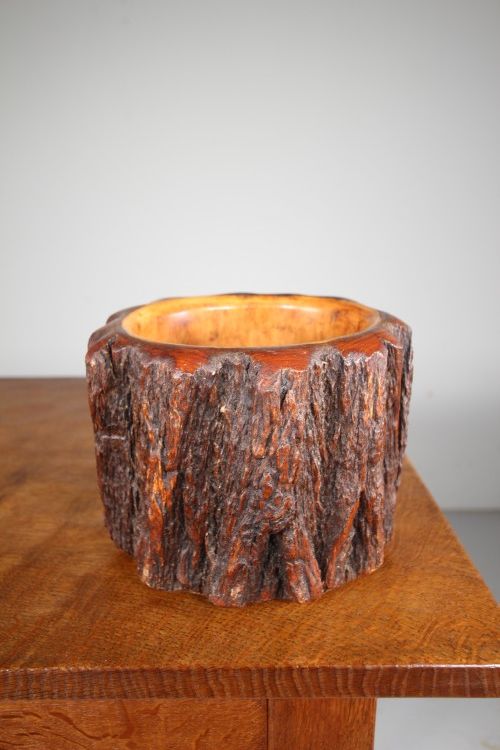


Folk Art Wooden Bowl
These folk art wooden bowl examples are honest rural implements shaped by local hands for daily domestic service.
Folk Art Wooden Bowl
When you search for a folk art wooden bowl, you encounter utilitarian vessels created in country workshops across Europe and Asia. These objects served rural households for dairy work, food preparation, and storage.
The selections on this page span from the eighteenth century through to the early twentieth century. You will find items originating from Swedish, French, Welsh, Norwegian, Indian, and Japanese traditions.
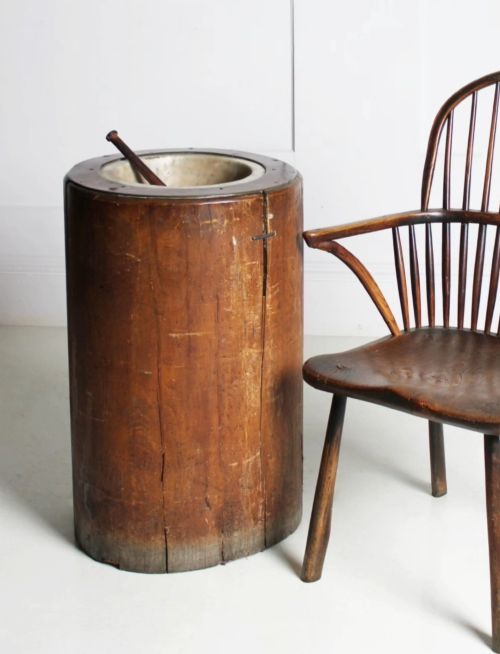
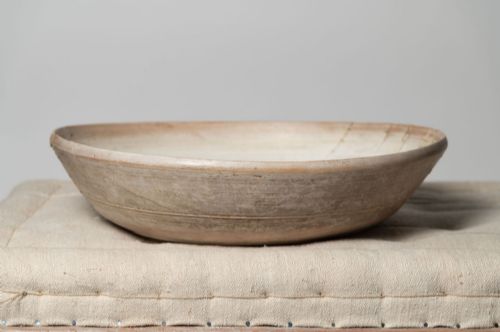
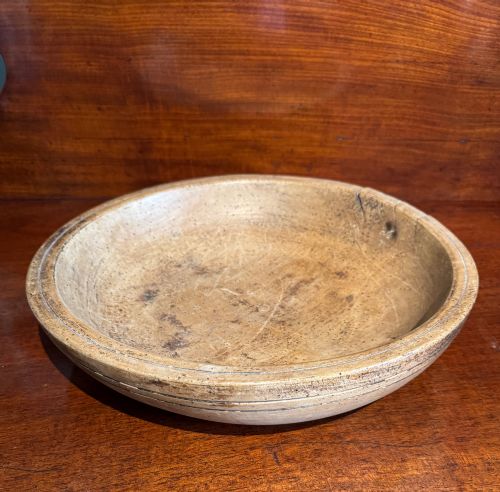
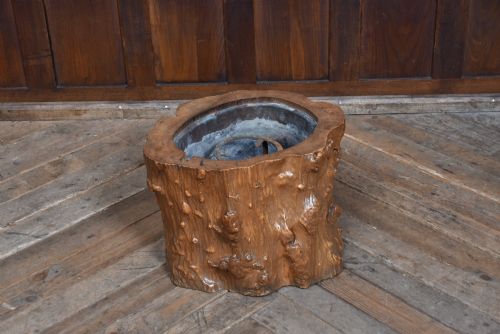
Forms range from deep dairy bowls and turned fruitwood stands to dug-out vessels and platters. Each piece carries the distinct regional character of its vernacular maker.
How they were made
Maker-craftsmen utilised native timbers such as sycamore, pine, birch, fruitwood, and shisham, selecting local woods suited to each vessel's purpose. Some pieces were turned on a lathe while others were dug out by hand from a single block of timber.
Surface treatments include original paint, exposed grain, and natural bark edges. Simple iron and copper elements occasionally appear on functional containers and strainers.
Listings feature eighteenth and nineteenth century European and Asian treen, including Swedish dairy bowls, Welsh fruitwood stands, and Japanese hibachi.
What varies in quality
Quality rests in the integrity of the surviving material and the honesty of the tool marks left by the maker. A well-preserved surface retains its original painted finish or deep patination accumulated through generations of use.
Proportion and balance distinguish finer examples from standard utility pieces. The best specimens display a harmonious relationship between the weight of the timber and the capacity of the vessel.
The Folk Art Wooden Bowl Glossary
- Treen
- Small wooden domestic objects made by turners and joiners. This term covers everything from bowls to containers intended for household service.
- Dairy bowl
- A wide, shallow vessel used in traditional butter and milk processing. These items typically feature generous diameters to allow cream to rise.
- Fruitwood
- Dense timber harvested from fruit-bearing trees such as apple, pear, or plum. Craftsmen favoured this material for its fine grain and smooth turning qualities.
- Vernacular
- Architecture and objects created by local artisans using traditional methods and materials. These pieces reflect regional customs rather than academic design trends.
- Dug out
- A vessel formed by hollowing out a single solid log rather than assembling staves or turning on a lathe. This method produced robust utilitarian containers.
Folk Art Wooden Bowl: Frequently Asked Questions
What were wooden bowls used for?
Rural households utilised these vessels for dairy processing, food preparation, and general storage. Dairy bowls held milk for cream separation, while larger dug-out vessels managed bulk provisions.
Craftsmen shaped each item to serve specific domestic routines within regional farming communities.
How old are these wooden bowls?
The pieces available here date primarily from the eighteenth century, the nineteenth century, and the early twentieth century. Dating relies on tool marks, timber selection, and regional design traits.
Earlier examples often display hand-dug construction and worn painted surfaces.
How do I care for antique wood?
Keep wooden vessels away from direct heat sources and extreme humidity fluctuations to prevent splitting. Natural wax applications help nourish dry timber surfaces over time.
Avoid washing antique treen in water or placing items in modern dishwashers.
What is vernacular folk art?
Vernacular folk art describes utilitarian objects made by rural craftspeople without formal academic training. These pieces prioritize practical function over decorative theory.
Regional traditions heavily influence the shapes, woods, and finishes found across these items.