


Large Wooden Dough Bowl
These large wooden dough bowl examples are honest domestic vessels shaped for daily utility, offering tactile warmth and rich surface character to modern interiors.
Large Wooden Dough Bowl
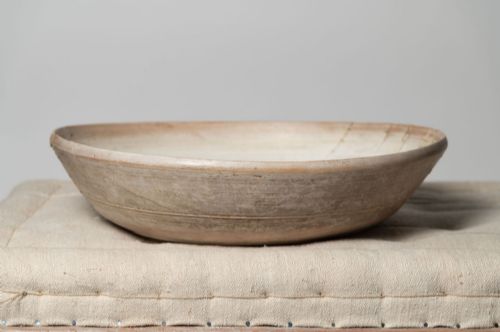
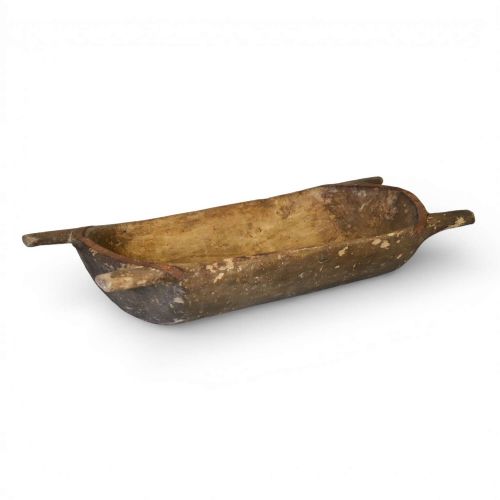
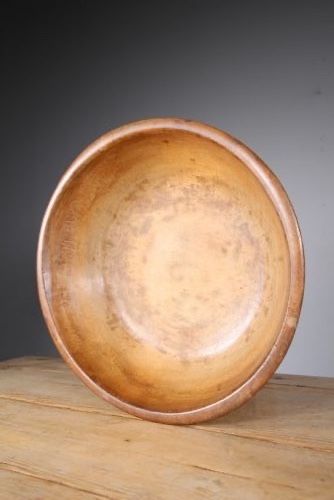
When you search for a large wooden dough bowl, you find substantial utilitarian vessels originating from nineteenth and early twentieth century rural homes and dairies. These items include French farmhouse kneading troughs, English sycamore dairy bowls, Swedish dairy vessels, and Indian shisham wood platters.
The version you meet most often on this page is a nineteenth century or early twentieth century dug out bowl, fashioned from solid timber with deep sides and a rounded base. They served practical domestic purposes such as preparing bread dough or holding milk and cream before becoming decorative interior objects.
How they were made
Maker's hands carved these pieces directly from solid wood and timber, frequently utilising native sycamore, pine, and shisham wood. Artisans used traditional hand tools to excavate the interior, leaving visible tool marks that record the manual labour behind each piece.
Surface finish developed through decades of domestic use, repeated scrubbing, and natural contact with oils and flour. This historical handling created the warm patina seen on nineteenth century French and English examples.
Listings feature solid wood and timber items spanning the nineteenth century and early twentieth century.
What varies in quality
Quality rests upon the depth of the carving and the integrity of the timber used to form the basin. Pieces hewn from a single block of sycamore or dense hardwoods display superior structural balance compared to assembled constructions.
The visual appeal depends heavily on the honesty of the surface wear and the richness of the accumulated patina. A gently undulating rim and untouched original tool marks elevate a vernacular bowl above plain utility.
The Large Wooden Dough Bowl Glossary
- Dug out bowl
- A vessel carved from a single solid section of timber rather than assembled from staves or segments. This method ensures robust construction and smooth interior contours.
- Treen
- Small wooden domestic objects made before the widespread use of ceramics and metal. The term encompasses bowls, platters, and kitchen utensils shaped by turners and carvers.
- Patina
- The surface sheen and colour depth acquired by wood through decades of handling, natural oils, and cleaning. It serves as a visual indicator of age and historical use.
- Dairy bowl
- A shallow or deep wooden basin utilised in traditional farmhouses for setting milk, skimming cream, or processing butter. Sycamore was preferred for this purpose because the wood does not taint dairy products.
Large Wooden Dough Bowl: Frequently Asked Questions
What were large wooden dough bowls used for?
These vessels were essential items in rural households, primarily utilised for mixing and kneading bread dough before baking. Their generous proportions allowed bakers to work large quantities of flour and water within a single contained space.
Beyond baking, similar wooden bowls functioned as dairy vessels for setting milk and skimming cream. Their robust construction handled daily farm work without imparting flavours to food.
How do I care for a wooden dough bowl?
Maintain your bowl by keeping it away from direct heat sources and sudden temperature shifts that cause the timber to split. Clean the surface gently with a damp cloth rather than submerging the piece in water.
Occasional treatment with food safe mineral oil or beeswax preserves the dry timber and enhances the historical patina. Avoid using harsh detergents or putting the bowl in a dishwasher.
How can I tell the age of a wooden bowl?
Age is indicated by the tool marks left from hand carving, the species of timber, and the depth of the surface patina. Nineteenth century examples often display irregular contours shaped by adzes and gouges rather than modern machinery.
Examining the underside and rim reveals wear patterns consistent with historical domestic use. Differences in timber shrinkage and oxidation provide further clues to a piece's period of origin.
Where did these wooden bowls originate?
The pieces originate from various European and Asian rural traditions, including French, English, Swedish, and Indian regional workshops. Each region utilised locally available hardwoods such as sycamore, pine, and shisham wood.
Local craftspeople shaped these domestic items to suit specific agricultural and culinary tasks unique to their communities. This regional diversity creates distinct styles ranging from Scandinavian country simplicity to Indian folk art.