






French Country Trough
These french country trough pieces are honest utilitarian objects from rural homes and vineyards, prized for their rich textures and weathered timber.
French Country Trough
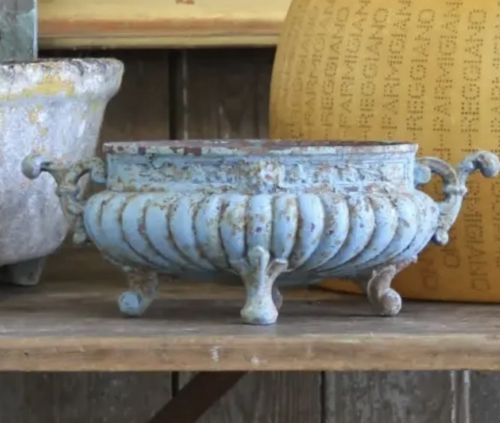
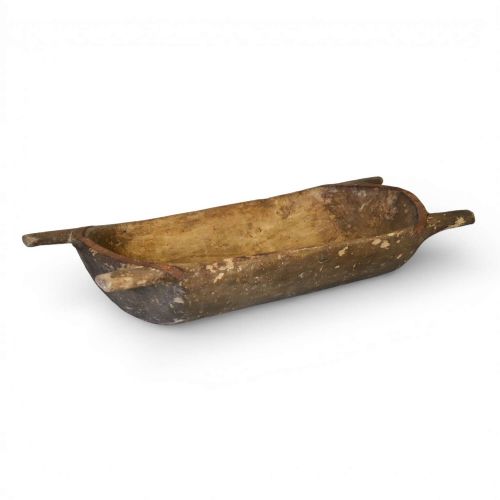
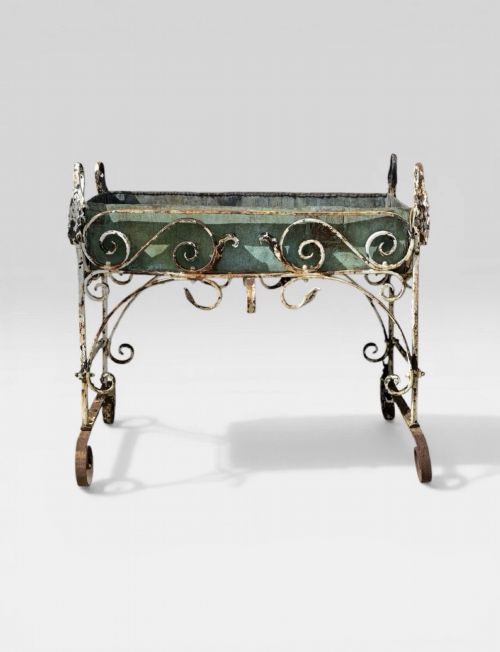
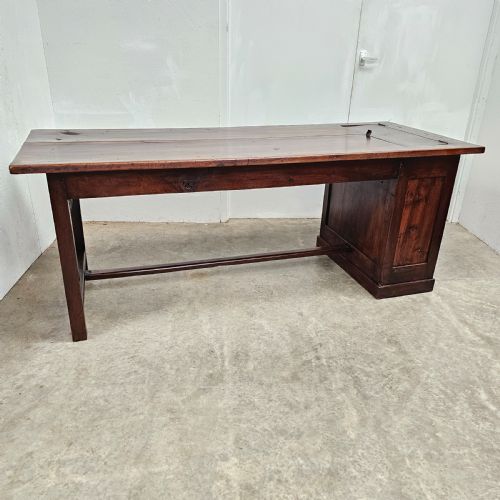
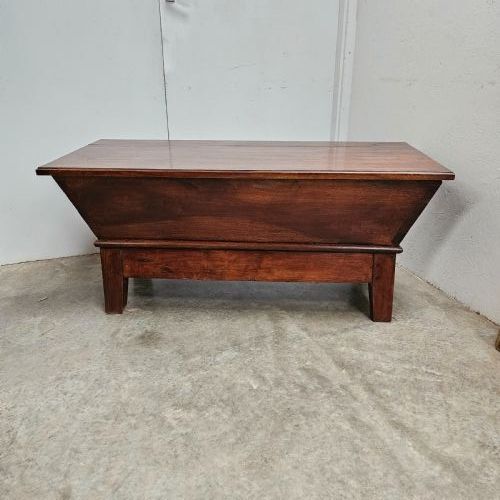
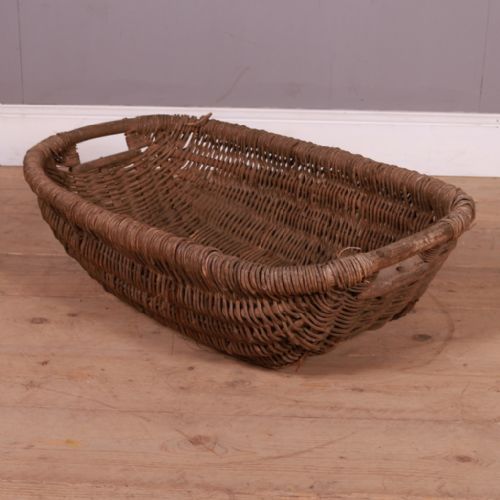
When you search for a french country trough, you find utilitarian items originating from rural France and Britain, spanning dough bins, planters, and grape baskets. These functional containers served daily agrarian purposes before transitioning into decorative roles.
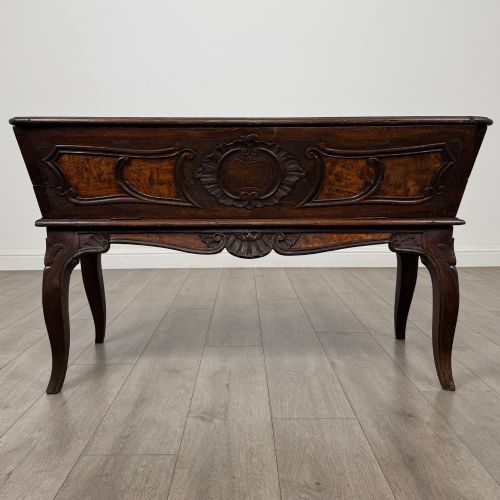
The versions you meet most frequently on this page belong to the nineteenth century, built from timbers like walnut and elm. They range from lidded dough proofing boxes to open garden planters in zinc and iron.
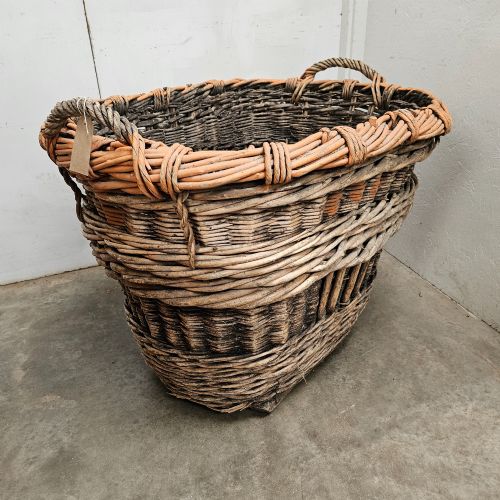
Forms vary from narrow bread prep tables with two-board tops to rustic willow harvest baskets. Each object carries the marks of domestic and agricultural toil, making them adaptable for modern interiors.
Materials and construction
Makers utilised sturdy hardwoods including walnut, elm, and oak to construct heavy dough bins and prep tables capable of withstanding daily kneading and food preparation. These timbers show deep patinas accumulated from decades of agricultural use.
Metal elements incorporate wrought iron, cast iron, and zinc, appearing on garden planters, urns, and champagne harvest baskets. Willow and wicker provide flexible structures for lightweight agricultural gathering.
Listings feature items spanning the eighteenth century through to nineteen thirty, constructed from walnut, elm, zinc, and wrought iron.
Judging quality in rural pieces
Quality rests in the depth of timber patina and the integrity of the original construction rather than sleek finishes. Pieces retaining their honest marks of labour and sound structural joints stand apart from heavily restored alternatives.
The choice of materials dictates desirability, with solid walnut dough bins and robust zinc planters showing superior longevity compared to lighter wicker or wire work.
The French Country Trough Glossary
- Dough bin
- A wooden container with a lid used historically for resting and proving bread dough. Many double as cupboards or simple coffers.
- Jardiniere
- An ornamental pot or stand for holding plants and flowers, often cast in iron or carved from timber.
- Patina
- The surface sheen and colour developed over decades through handling, waxing, and ageing.
- Zinc
- A durable blue-grey metal utilised for weather-resistant plant containers and garden troughs.
French Country Trough: Frequently Asked Questions
What is a french country trough used for today?
These pieces serve primarily as decorative storage or rustic planters inside the home and garden.
Larger dough bins function well as coffee tables or linen storage, while zinc planters suit floral displays.
How do I clean a wooden dough bin?
Dust the timber gently with a dry cloth to preserve the accumulated patina.
Avoid harsh liquid cleaners that strip the historic finish and dry out the old walnut or elm.
Are iron planters suitable for outdoor use?
Cast and wrought iron containers tolerate outdoor weather well when placed in garden settings.
Oxidation often enhances the surface character of nineteenth-century iron garden urns.
How can I tell nineteenth century pieces apart?
Examine the timber joints and hand-tooled marks left by period carpenters.
Nineteenth-century examples display distinct adze marks and heavier board construction compared to later reproductions.