




Rustic Timber Trough
These rustic timber trough pieces bring warmth and practical history to an interior, shaped from solid woods like oak, pine, and elm.
Rustic Timber Trough
When you search for a rustic timber trough, you are looking at utilitarian wooden vessels designed for domestic or agricultural work, including dough bins, washing tubs, and planters. These pieces originate from various regional traditions such as French, Swedish, and English country houses.
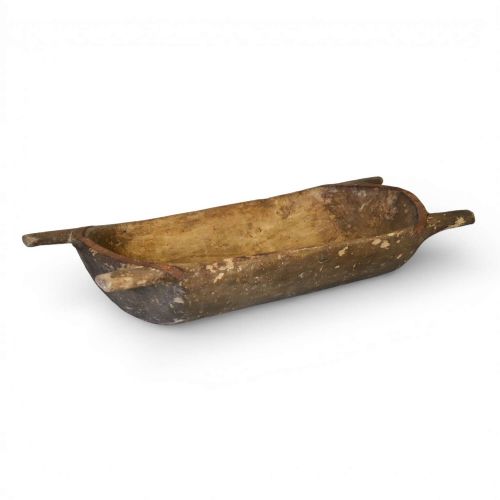
You are most likely to meet 19th century examples on this page, alongside pieces from the Georgian period and the early 20th century. The forms span from dug-out sycamore planters to coopered oyster buckets and large kneading bowls.
Each object reflects the everyday labour of rural life, shaped from heavy timber to withstand daily use. Their survival in domestic settings demonstrates the enduring utility of simple wooden containers.
How they were made
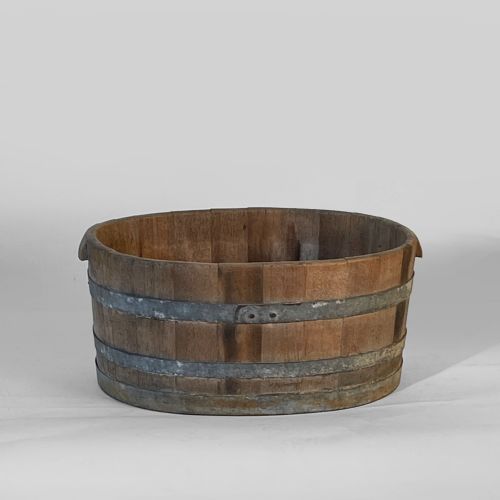
Craftsmen shaped these items using solid woods like oak, pine, elm, sycamore, and walnut, often cutting them directly from a single log as dug-out vessels or building them with coopered staves and iron bands. Hand-carving and hand-weaving techniques define the surfaces of the bowls and baskets.
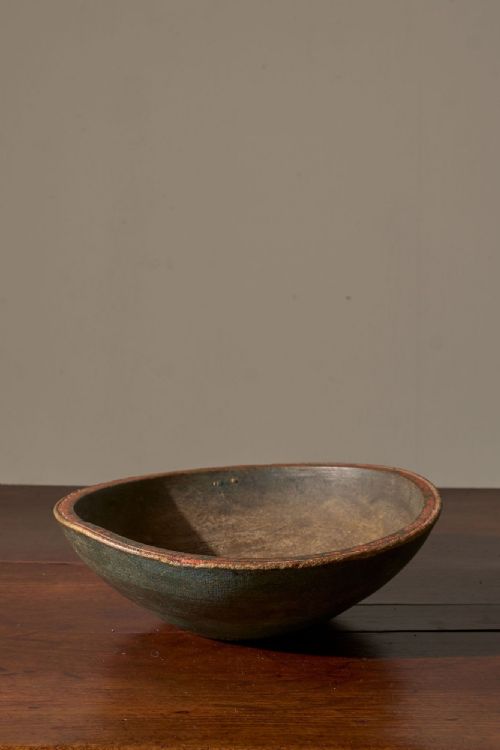
Some examples retain traces of early paint or hand-polished finishes that highlight the natural grain of the timber. Joinery methods vary from pegged joints in dough bins to tightly fitted staves in washing tubs and well buckets.
Listings feature items spanning the 18th century, the Georgian era, the 19th century, and the early 20th century.
What varies in quality
Quality rests upon the depth of the patina and the integrity of the original timber, where years of use have created a rich surface texture. Pieces that retain their original structural form without excessive replacement parts command greater interest.
The degree of hand-carving skill and the proportional balance of the vessel also separate standard utility items from finer vernacular examples. Surface characteristics, such as untouched painted finishes or deep, warm tones in the wood, distinguish the better specimens.
The Rustic Timber Trough Glossary
- Coopered
- Constructed from wooden staves bound together with hoops of iron or wood, typical of buckets and washing tubs. This method ensured watertight seals for liquids.
- Dug out
- Formed by hollowing out a single solid log of timber rather than joining multiple boards together. Sycamore and elm were frequently utilised for this method.
- Patina
- The surface sheen and colour developed through years of handling, polishing, and natural ageing. A rich patina indicates age and regular use.
- Dough bin
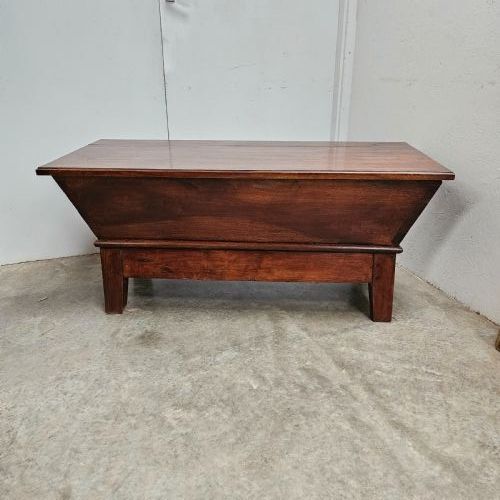
- A wooden container with a lid used for proving bread dough in domestic kitchens. They often double as storage coffers in French and English farmhouses.
- Sycamore
- A dense hardwood commonly chosen by turners and rural craftsmen for dairy bowls and planters. It resists splitting under the moisture demands of domestic work.
Rustic Timber Trough: Frequently Asked Questions
What were rustic timber troughs used for?
These vessels served practical functions in rural households, farms, and dairies, ranging from kneading bread dough to washing clothes and storing garden produce.
Over time, many transitioned from working agricultural tools into decorative interior objects used for planting or fireside storage.
How do I care for antique wooden bowls?
Keep wooden vessels away from direct heat sources and drastic humidity changes to prevent the timber from splitting or warping.
Apply natural beeswax occasionally to nourish the dry wood and maintain the depth of the historic patina.
Are these troughs waterproof?
Coopered tubs and buckets were originally designed to hold liquids, but centuries of drying can alter the tightness of the staves and joints.
It is wise to test coopered pieces gently before using them to hold water or damp soil for planting.
How can I tell the age of a wooden trough?
Age is indicated by the tool marks left from hand-carving, the type of timber used, and the natural wear accumulated around the edges and base.
Examining the construction methods, such as hand-forged iron bands or pegged joints, also helps identify the period of manufacture.