






Country Rustic Dough Trough
These country rustic dough trough pieces are utilitarian vessels and bins built for daily domestic labour, offering enduring charm for modern interiors.
Country Rustic Dough Trough
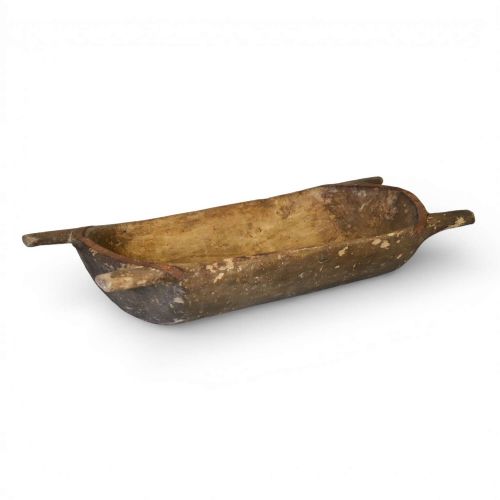
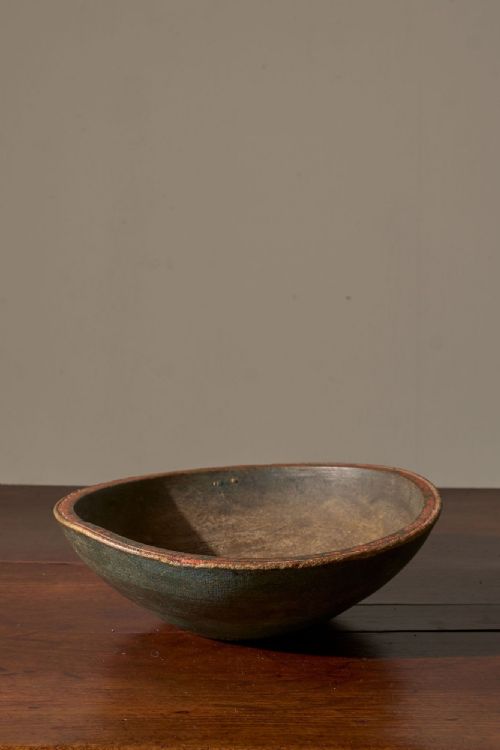
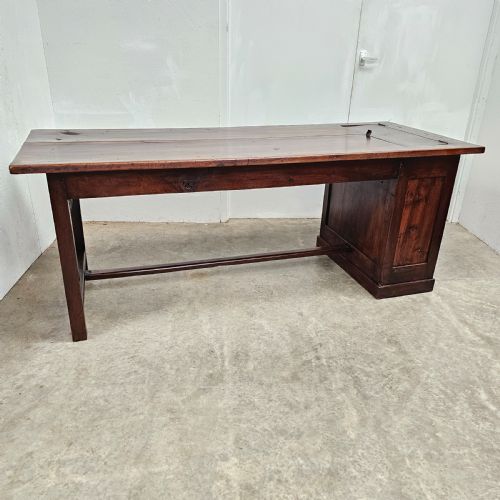
When you search for country rustic dough trough items, you encounter utilitarian containers and work surfaces built for traditional domestic tasks. These pieces encompass dough bins, kneading bowls, dairy bowls, prep tables, and coffers originating across periods from the eighteenth century to the early twentieth century.
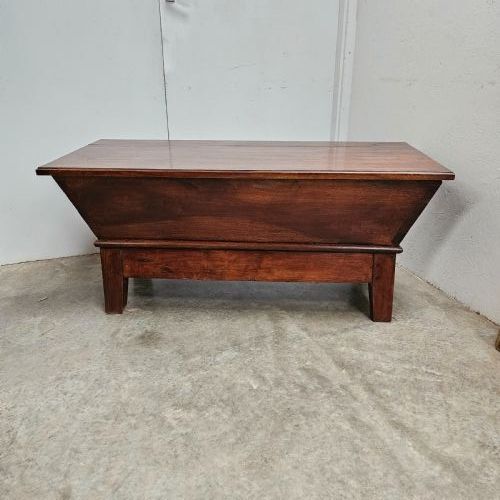
The versions you are most likely to meet on this page span French, Swedish, and general rustic farmhouse traditions. They appear in forms ranging from heavy lidded bins to wide dug out bowls and bread prep tables.
How they were made
These items are shaped from solid woods such as pine, walnut, elm, sycamore, and oak. Artisans utilised traditional timber construction methods, including hand carving and dug out techniques to hollow large blocks of wood into functional bowls and bins.
Many examples display surfaces finished with paint, natural wax, or simple polish. Two-board tops and sturdy joined sides demonstrate the practical carpentry required for heavy kneading and food preparation.
Many of these troughs still bear the faint flour dust ghosts of long-forgotten bakers.
What varies in quality
Quality in these domestic objects rests upon the character of the timber and the integrity of the original construction. Pieces hewn from dense solid wood with deep tool marks and integrated structural joints stand apart from simpler later iterations.
Surface depth and tactile history dictate the visual appeal. Examples that retain rich patination, original painted finishes, and authentic signs of historic use carry greater depth than those with uniform modern surfaces.
The Country Rustic Dough Trough Glossary
- Dough bin
- A lidded wooden container designed for holding and proving bread dough. These storage units often feature sloping sides and sturdy legs.
- Kneading bowl
- A wide wooden vessel used for mixing flour and water. They are typically carved from a single piece of timber.
- Patina
- The surface sheen and colour developed through decades of handling, polishing, and natural ageing. This finish reveals the history of the wood.
- Dug out bowl
- A vessel formed by scooping the interior from a solid block of wood rather than assembling staves. This method produces a seamless curved interior.
Country Rustic Dough Trough: Frequently Asked Questions
What is a dough trough used for?
These wooden vessels were utilised historically for mixing, kneading, and proving bread dough before baking. Their deep sides contained flour and yeast mixtures safely during heavy manual preparation.
Today, buyers repurpose these functional pieces as decorative centrepieces, storage containers, or display items in country style kitchens and living spaces.
How do I clean an antique wooden bowl?
Maintain wooden surfaces by wiping them gently with a dry or barely damp cloth to remove dust. Avoid soaking timber in water or using harsh chemical detergents.
Apply natural beeswax or mineral oil occasionally to nourish the dry wood and preserve the historic finish without altering the surface.
How can I tell an older dough bin apart?
Earlier examples often display hand-carved tool marks, pegged joinery, and heavy solid timber construction without modern metal fasteners. The presence of dense grain and worn edges indicates prolonged historic use.
Examine the base and interior surfaces for signs of manual shaping and natural wear patterns consistent with eighteenth and nineteenth-century carpentry.
Where did these rustic pieces originate?
The pieces listed here originate from various European domestic traditions, notably French provincial workshops and Scandinavian country makers. Each region employed local timber species such as pine, walnut, and sycamore.
Local agricultural practices and available forest woods shaped the distinct forms found in Swedish and French farmhouse furniture.